 EN
EN
 AR
AR
 BG
BG
 HR
HR
 CS
CS
 DA
DA
 NL
NL
 FI
FI
 FR
FR
 DE
DE
 EL
EL
 HI
HI
 IT
IT
 JA
JA
 KO
KO
 NO
NO
 PL
PL
 PT
PT
 RO
RO
 RU
RU
 ES
ES
 SV
SV
 CA
CA
 TL
TL
 IW
IW
 ID
ID
 SR
SR
 SK
SK
 UK
UK
 VI
VI
 HU
HU
 TH
TH
 TR
TR
 FA
FA
 AF
AF
 MS
MS
 GA
GA
 HY
HY
 BN
BN
 MN
MN

The Top Advantages of Integrating a Bidirectional Charger into Your Home Energy Setup.
Jul 21, 2026
Dynamic Energy Arbitrage Cuts Monthly Household Power Expenses
A bidirectional charger delivers two way power flow between residential battery storage, electric vehicles and local grid lines, unlocking cost savings unavailable with single direction charging hardware. A suburban residential energy retrofit project completed in southern China tracked utility bill changes across 28 households after retrofitting compatible bidirectional power hardware alongside rooftop solar arrays. All participating units recorded measurable drops in monthly grid draw once bidirectional load shifting became part of daily energy routines.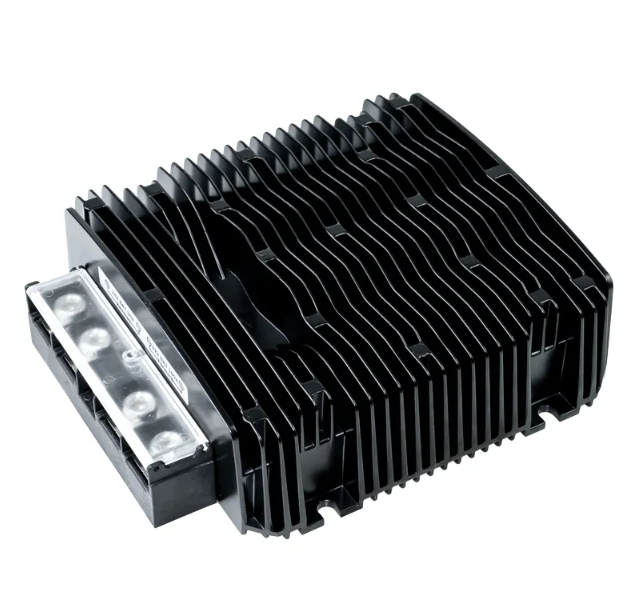
| Charger Type | Average Monthly Grid Electricity Cost | Solar Self Consumption Ratio | Annual Energy Cost Reduction |
|---|---|---|---|
| Standard Unidirectional EV Charger | 186 USD | 34% | Baseline Reference |
| Integrated Bidirectional Charger System | 72 USD | 76% | 1368 USD |
NB/T 11305 industry standards outline technical frameworks for residential bidirectional energy exchange, formalizing peak shaving and valley filling operating logic. The core arbitrage workflow relies on charging vehicle batteries during off peak low tariff windows, then discharging stored power to household circuits during daytime high price blocks. This cycle slashes reliance on expensive grid supply without limiting daily driving range requirements for household EVs. Excess rooftop solar generation also gets captured inside vehicle packs instead of being exported back to the grid at discounted feed in rates.
V2H Emergency Backup Power Eliminates Blackout Vulnerability
Residential power disruptions from weather events or grid maintenance create critical risks for refrigeration, medical equipment and essential household electronics, a gap closed by the reverse discharge capability built into every qualified bidirectional charger. A regional utility outage spanning 14 hours impacted over 400 suburban homes in midwestern North America, and property owners equipped with bidirectional charging hardware maintained full basic power service through the entire downtime window. Vehicles connected via bidirectional hardware supply stable alternating current to main household circuits without separate portable generator hardware.
Three core functional modes support home backup operation:
- Automatic discharge trigger once grid voltage drops below safe operating thresholds
- Adjustable power output caps to avoid overtaxing vehicle battery management systems
- Low state of charge protection that reserves enough energy for scheduled travel trips UL 9540 safety testing protocols mandate multi layer overcurrent and overheating safeguards for residential bidirectional power transfer, preventing permanent degradation of EV lithium cell packs during extended off grid operation. Home energy operators retain full control over discharge limits to balance backup availability and mobility needs.
Optimized Rooftop Solar Self Utilization Minimizes Wasted Green Power
Many residential solar installations generate surplus midday energy that gets underutilized without flexible storage buffers, a limitation resolved through seamless pairing with a bidirectional charger. Independent energy audit firms conduct yearly performance reviews for thousands of solar equipped residences, recording massive gaps between panel output and on site consumption for properties relying only on unidirectional charging equipment. Without bidirectional power flow, midday solar overload gets sent back to utility grids at heavily reduced compensation rates.
Bidirectional hardware creates a flexible mobile energy reservoir inside parked electric vehicles, capturing unconsumed solar output before it flows outward to grid transformers. ISO 15118 communication protocols enable real time data sync between solar inverters, battery management systems and bidirectional charger control boards, matching charging speed to instantaneous photovoltaic production volumes. Field energy monitoring data shows coordinated solar and bidirectional charger setups lift on site renewable consumption by more than forty percentage points compared to standalone unidirectional charging units. Less exported surplus translates to greater self sufficiency and higher annual returns on rooftop solar capital investment.
Vehicle To Grid Participation Opens Passive Long Term Revenue Streams
Modern utility operators deploy distributed demand response programs that compensate residential sites capable of delivering stored energy back into distribution networks, a revenue channel only accessible with fully compliant bidirectional charger hardware. Grid balancing teams rely on aggregated residential EV battery capacity to stabilize frequency fluctuations during peak evening demand surges and midday solar generation spikes. Each connected household receives periodic compensation payouts for brief scheduled discharge cycles requested by regional grid management platforms.
Market research from global energy consulting groups tracks steady growth in V2G compensation programs across Europe, North America and Southeast Asian territories. Single direction chargers cannot support the two way communication and power transfer required to enroll in demand response initiatives, locking property owners out of recurring supplementary income. Bidirectional charger control modules comply with OCPP 2.0.1 open protocol standards, enabling seamless integration with third party virtual power plant platforms that coordinate hundreds of residential energy assets simultaneously. These revenue offsets further lower the total cost of home EV and solar ownership over multi year equipment lifespans.
Unified Home Energy Management Simplifies Multi Asset Coordination
Uncoordinated separate chargers, solar inverters and stationary storage units create fragmented energy control workflows that demand constant manual adjustment, a complexity removed by centralized bidirectional charger integration. Residential energy technicians performing system tune ups regularly note inconsistent load balancing in homes operating disconnected single direction power hardware, which leads to avoidable peak grid draw and wasted solar output.
Bidirectional charging hardware acts as a central communication hub linking all distributed energy assets on site, with built in logic that autonomously prioritizes these operational priorities:
- Direct solar power delivery to active household loads in real time
- Off peak grid charging for EV battery packs when solar generation falls short
- Vehicle battery discharge during high tariff peak consumption hours
- Scheduled V2G discharge events aligned with utility demand response requests Automated load shifting eliminates daily manual monitoring of electricity rates and solar production levels, cutting routine energy management labor for residential users without sacrificing financial or sustainability performance targets. All power transfer sequences adhere to global residential electrical safety standards for low voltage distributed energy equipment.
Standardized Modular Power Hardware Delivers Compatible Bidirectional Solutions
Complete product lines of bidirectional charger hardware with cross system compatibility are manufactured by Wengao, built around nine years of specialized power conversion engineering experience. The portfolio holds over 500 distinct power supply models covering residential V2H, V2G and industrial bidirectional conversion use cases, fully aligned with IEC 61851 and NB/T 11305 international bidirectional energy standards. Internal R&D teams refine DC DC and AC DC bidirectional conversion topologies to maintain stable transfer efficiency across variable household voltage environments. Every unit passes multi stage circuit aging and safety testing prior to shipment, supporting seamless integration with rooftop solar, stationary home batteries and most mainstream electric vehicle models distributed across more than 130 global market territories. Scalable modular designs accommodate small single family dwellings and larger multi unit residential energy setups without full system overhauls during later capacity expansion.
Recommended Products
Hot News
-
Application Advantages of Non-Isolated BUCK Converters Compared to Isolated Step-Down Converters
2024-01-23
-
DC-DC Converters Showcase Remarkable Advantages in Outdoor Off-Grid Applications
2024-01-23
-
DC to DC Battery Charger - Wide input and Noise immunity for dual battery system applications
2024-01-19