 EN
EN
 AR
AR
 BG
BG HR
HR
 CS
CS
 DA
DA
 NL
NL
 FI
FI FR
FR
 DE
DE EL
EL
 HI
HI
 IT
IT JA
JA
 KO
KO
 NO
NO PL
PL PT
PT RO
RO
 RU
RU
 ES
ES
 SV
SV
 CA
CA TL
TL
 IW
IW
 ID
ID
 SR
SR
 SK
SK
 UK
UK VI
VI
 HU
HU
 TH
TH
 TR
TR
 FA
FA
 AF
AF
 MS
MS
 GA
GA
 HY
HY
 BN
BN
 MN
MN

द्विदिश चार्जर क्या है और यह कैसे काम करता है?
क्या आपने कभी अपनी इलेक्ट्रिक कार के बारे में सिर्फ परिवहन के साधन से अधिक सोचा है? क्या हो अगर यह बिजली आउटेज के दौरान आपके घर को बिजली प्रदान कर सके, सप्ताहांत के कैम्पिंग ट्रिप के लिए बिजली की आपूर्ति कर सके, या यहां तक कि ऊर्जा को वापस बिजली ग्रिड में भेज सके? यह कोई विज्ञान कथा नहीं है—यह द्विदिश चार्जर द्वारा संभव वास्तविकता है। ऊर्जा स्वायत्तता, लचीलापन और स्मार्ट बिजली प्रबंधन में रुचि रखने वाले किसी भी व्यक्ति के लिए इस तकनीक में बहुत अधिक संभावना छिपी हुई है। पारंपरिक इलेक्ट्रिक वाहन चार्जर के विपरीत, जो केवल एक दिशा में (ग्रिड से बैटरी तक) बिजली प्रवाह की अनुमति देते हैं, एक द्विदिश चार्जर दो तरफा प्रवाह की अनुमति देता है। इसे अपने इलेक्ट्रिक वाहन के लिए सिर्फ एक पंप स्टेशन नहीं, बल्कि अपने पूरे पारिस्थितिकी तंत्र के लिए एक परिष्कृत ऊर्जा गेटवे के रूप में सोचें। आइए जानें कि यह तकनीक इतनी रोमांचक क्यों है और यह वास्तव में कैसे काम करती है।
मूल बातों को समझना
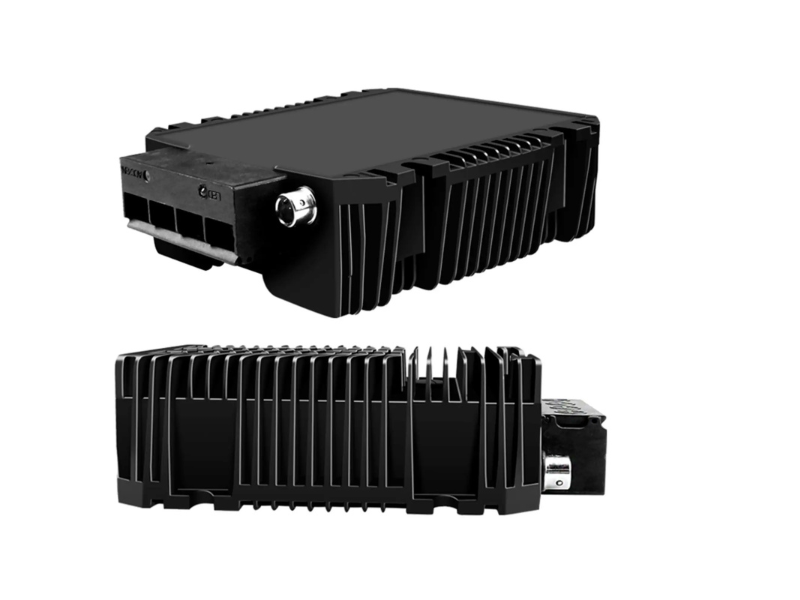
सबसे पहले और सबसे महत्वपूर्ण, एक द्विदिश चार्जर एक उन्नत शक्ति रूपांतरण प्रणाली है। इसके कार्य को समझने के लिए, यह समझना उपयोगी है कि एक सामान्य, एकदिश EV चार्जर कैसे काम करता है। एक मानक चार्जर का एक सीधा कार्य होता है: यह दीवार के सॉकेट या सार्वजनिक स्टेशन से प्रत्यावर्ती धारा (AC) लेता है, उसे दिष्ट धारा (DC) में परिवर्तित करता है, और फिर वाहन की उच्च-वोल्टेज बैटरी को चार्ज करने के लिए उसका उपयोग करता है। एक बार ऊर्जा बैटरी में प्रवेश कर जाती है, तो वह वहीं रहती है जब तक कि ड्राइविंग के लिए उपयोग नहीं की जाती।
हालाँकि, एक द्विदिश चार्जर तकनीकी रूप से काफी जटिल होता है। इसमें शक्ति इलेक्ट्रॉनिक घटक होते हैं जो AC से DC रूपांतरण (चार्जिंग के लिए) और और DC से AC रूपांतरण (डिस्चार्जिंग के लिए) दोनों कर सकते हैं। यह दोहरी क्षमता कार की बैटरी को एक निष्क्रिय ऊर्जा भंडारण इकाई से एक सक्रिय बिजली स्रोत में बदल देती है। असल में, यह आपके गैराज में खड़ी बड़ी बैटरी को एक प्रोग्राम करने योग्य ऊर्जा भंडार में बदल देता है जिसका उपयोग वाहन चलाने से परे विभिन्न अनुप्रयोगों के लिए किया जा सकता है।
शक्ति प्रवाह के पीछे की तकनीक
यह द्वि-दिशीय बिजली प्रबंधन प्रणाली वास्तव में कैसे काम करती है? इसका मुख्य आधार चार्जर के आंतरिक बिजली इलेक्ट्रॉनिक्स में होता है, जो इंसुलेटेड-गेट बाइपोलर ट्रांजिस्टर जैसे घटकों का उपयोग करते हैं। ये IGBT अत्यंत तेज़, डिजिटल रूप से नियंत्रित स्विच के रूप में कार्य करते हैं।
जब वाहन को चार्ज करने की आवश्यकता होती है, तो प्रणाली 'दिष्टकारी' (rectifier) मोड में काम करती है। इस मोड में, चार्जर आने वाली AC बिजली को स्वीकार करता है, ध्यानपूर्वक धारा को स्विच और नियंत्रित करता है, और बैटरी को स्थिर DC बिजली प्रदान करता है। वास्तविक नवाचार 'इन्वर्टर' मोड में है। जब वाहन से बिजली भेजने का समय आता है, बाहर तो प्रक्रिया उल्टी हो जाती है। चार्जर बैटरी पैक से DC बिजली लेता है और IGBTs का उपयोग करके साफ़ एवं स्थिर AC बिजली की ज्या तरंग (sine wave) बनाता है। इस AC आउटपुट का उपयोग घरेलू उपकरणों को चलाने, घर के विद्युत पैनल में बिजली डालने या अन्य उपकरणों को शक्ति प्रदान करने के लिए किया जा सकता है।
उन्नत मॉडल जटिल संचार प्रोटोकॉल को शामिल करते हैं। वे सुरक्षित रूप से बिजली के प्रवाह का प्रबंधन करने के लिए वाहन के बैटरी प्रबंधन प्रणाली और घरेलू ऊर्जा नियंत्रकों के साथ लगातार बातचीत करते हैं। इससे सही वोल्टेज और आवृत्ति सुनिश्चित होती है, बैटरी के स्वास्थ्य की रक्षा होती है और घर के तारों या जुड़े उपकरणों को कोई क्षति होने से रोका जाता है।
प्रौद्योगिकी के व्यावहारिक अनुप्रयोग
इस नवाचार का वास्तविक मूल्य इसके व्यावहारिक उपयोग में प्रकट होता है, जो हमारे ऊर्जा के साथ संबंध को फिर से आकार दे रहे हैं। एक प्रमुख अनुप्रयोग वाहन-से-घर बिजली है। बिजली गुल होने या ग्रिड बिजली की लागत अधिक होने की अवधि के दौरान, एक स्वचालित द्विदिश तंत्र घर के आवश्यक सर्किट—लाइट, रेफ्रिजरेटर, इंटरनेट—को घंटों या यहां तक कि दिनों तक कार्यात्मक रख सकता है, जिससे इलेक्ट्रिक वाहन (EV) पूरे घर की बैकअप बैटरी में प्रभावी ढंग से बदल जाता है।
इसे आगे बढ़ाते हुए व्हीकल-टू-ग्रिड तकनीक है। उपयोगिता कंपनी की मंजूरी के साथ, पीक मांग के दौरान इलेक्ट्रिक वाहन (EV) स्थानीय ग्रिड को ऊर्जा की छोटी मात्रा वापस भेज सकते हैं, जिससे नेटवर्क को स्थिर रखने में मदद मिलती है। इस सेवा के लिए मालिकों को क्रेडिट या भुगतान प्राप्त हो सकता है। एक अन्य अत्यंत उपयोगी कार्य है व्हीकल-टू-लोड। यह ईवी की बैटरी को कार में निर्मित मानक एसी आउटलेट के माध्यम से सीधे उपकरणों, कैम्पिंग उपकरणों या घरेलू उपकरणों को शक्ति प्रदान करने की अनुमति देता है, जिससे यह साहसिक कार्यों के लिए एक विशाल, पोर्टेबल पावर बैंक बन जाता है। एक साथ, ये अनुप्रयोग ऊर्जा सुरक्षा को बढ़ाते हैं, ग्रिड की स्थिरता को बढ़ावा देते हैं और एक प्रमुख संपत्ति की उपयोगिता को अधिकतम करते हैं: कार की बैटरी।
संभावित उपयोगकर्ताओं के लिए प्रमुख विचार
हालांकि लाभ सुस्पष्ट हैं, द्विदिश चार्जिंग अपनाने के लिए कई महत्वपूर्ण बातों पर विचार करना आवश्यक होता है। सबसे पहले संगतता है। आज बाजार में उपलब्ध सभी इलेक्ट्रिक वाहन (EV) दो-तरफ़ा बिजली प्रवाह को संभालने में सक्षम नहीं हैं; इसके लिए निर्माता द्वारा विशिष्ट हार्डवेयर और सॉफ्टवेयर समर्थन की आवश्यकता होती है। वर्तमान में, निसान, फोर्ड और हुंडई/किया जैसे ऑटोमेकर्स के मॉडल इस क्षमता प्रदान करने में अग्रणी हैं।
दूसरा विचार बुनियादी ढांचे का है। घर पर एक द्विदिश चार्जर स्थापित करना एक मानक इलेक्ट्रिक वाहन (EV) चार्जर स्थापित करने की तुलना में अधिक जटिल होता है। इसमें अक्सर एक योग्य विद्युत तकनीशियन की आवश्यकता होती है जो महत्वपूर्ण भार पैनल को स्थापित करे और यह सुनिश्चित करे कि घर की विद्युत प्रणाली दो-तरफ़ा ऊर्जा प्रवाह को सुरक्षित रूप से संभाल सके। तीसरा कारक लागत है। चार्जर खुद और उनकी स्थापना की लागत प्रारंभिक निवेश के रूप में एकदिश विकल्पों की तुलना में अधिक होती है। हालाँकि, कई उपयोगकर्ताओं के लिए, बैकअप बिजली की उपलब्धता और भविष्य में ग्रिड सेवा राजस्व की संभावना इस लागत को समय के साथ उचित ठहराने के लिए पर्याप्त हो सकती है।
अंत में, एक ज्ञानवान और अनुभवी प्रदाता के साथ साझेदारी करना अत्यंत महत्वपूर्ण है। वेंगाओ इलेक्ट्रॉनिक जैसी कंपनियां, जो शक्ति रूपांतरण तकनीक में विशेषज्ञता रखती हैं, मजबूत सुरक्षा और विश्वसनीयता विशेषताओं के साथ द्विदिश चार्जिंग प्रणाली विकसित कर रही हैं। ऐसे प्रदाता का चयन करने से यह सुनिश्चित होता है कि प्रणाली वर्षों तक निर्बाध और विश्वसनीय ढंग से काम करेगी।
निष्कर्ष में, द्विदिश चार्जर केवल एक सहायक उपकरण से कहीं अधिक है; यह आपकी कार, आपके घर और बिजली ग्रिड के बीच एक नई, गतिशील संबंध के लिए मुख्य घटक के रूप में कार्य करता है। बिजली के दो-तरफा प्रवाह को समझकर, यह उपयोगिता, लचीलेपन और स्थायित्व के असाधारण स्तर को सक्षम करता है। क्योंकि बिजली वाहन विकसित होते रहते हैं और हमारी ऊर्जा आवश्यकताएँ अधिक जटिल होती जा रही हैं, यह तकनीक एक स्मार्ट, अधिक अनुकूलनीय और अधिक वैयक्तिकृत ऊर्जा भविष्य के निर्माण में एक मौलिक तत्व बनने के लिए तैयार है।