 EN
EN
 AR
AR
 BG
BG HR
HR
 CS
CS
 DA
DA
 NL
NL
 FI
FI FR
FR
 DE
DE EL
EL
 HI
HI
 IT
IT JA
JA
 KO
KO
 NO
NO PL
PL PT
PT RO
RO
 RU
RU
 ES
ES
 SV
SV
 CA
CA TL
TL
 IW
IW
 ID
ID
 SR
SR
 SK
SK
 UK
UK VI
VI
 HU
HU
 TH
TH
 TR
TR
 FA
FA
 AF
AF
 MS
MS
 GA
GA
 HY
HY
 BN
BN
 MN
MN

आरवी बैटरी चार्जर के उपयोग के लिए सर्वोत्तम प्रथाएँ क्या हैं?
यदि आप एक रिक्रिएशनल व्हीकल (आरवी) मालिक हैं जो अपनी अगली यात्रा के लिए तैयार हो रहे हैं, तो आपको शायद पहले से ही पता होगा कि आपके आरवी बैटरी चार्जर का आपके साहसिक कार्य के लिए कितना महत्व है। जबकि इंजन आपको बिंदु A से B तक ले जाता है, यह बैटरी सिस्टम—और उसे बनाए रखने वाला चार्जर—ही आपको ऑफ-ग्रिड जाने और वास्तव में घूमने की अनुमति देता है। चाहे आप कैंपग्राउंड में शोर पावर पेडस्टल में प्लग इन हों या सौर पैनलों से ऊर्जा प्राप्त कर रहे हों, चार्जर वह उपकरण है जो बैटरी जीवन के लिए उपयोगी बिजली को समझदारी से नियंत्रित और परिवर्तित करता है। यही लाइट जलाए रखता है, रेफ्रिजरेटर को ठंडा और कॉफी को ब्रू करता रहता है। बाजार में इतने सारे बैटरी चार्जर्स के साथ, सर्वोत्तम प्रथाओं को जानना आपको अपने सिस्टम से अधिकतम लाभ उठाने और उन दुर्घटनाओं से बचने में मदद कर सकता है जो आपकी यात्रा को छोटा कर सकती हैं। आइए शुरू करते हैं!
अपनी बैटरी के प्रकार के अनुसार अपना चार्जर चुनना
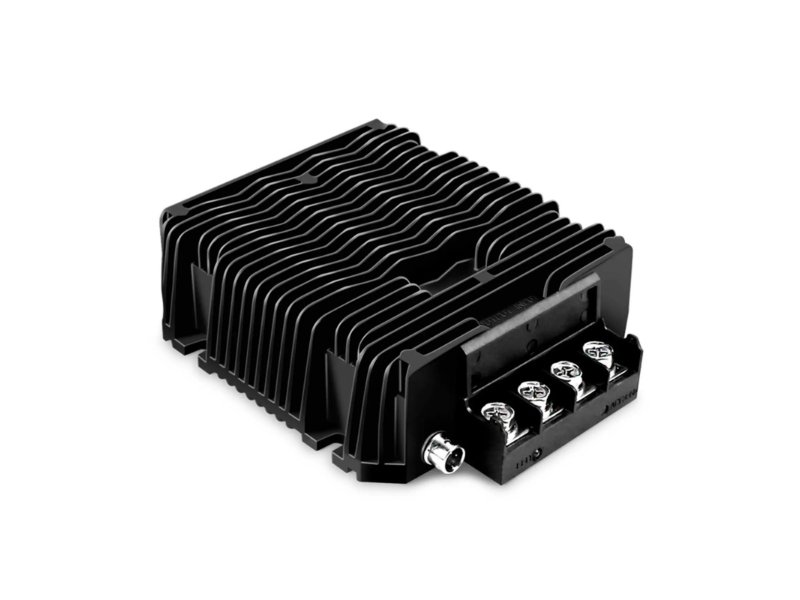
याद रखने का पहला नियम यह है कि सभी बैटरी एक जैसी नहीं होतीं—और न ही उनके चार्जर एक जैसे होते हैं। गलत आरवी बैटरी चार्जर आपकी बैटरी के लिए मांसाहारी को शाकाहारी आहार देने के समान है; इसका अंत अच्छा नहीं होगा। आम आरवी (RV) बैटरी तीन मुख्य प्रकारों में आती हैं: फ्लडेड लेड-एसिड, एजीएम (अवशोषक ग्लास मैट), और लिथियम आयरन फॉस्फेट। प्रत्येक की चार्जिंग की विशिष्ट आवश्यकताएं होती हैं, जिनमें विशिष्ट वोल्टेज स्तर और अवशोषण समय की आवश्यकता होती है।
एक प्रतिष्ठित निर्माता की ओर से एक गुणवत्तापूर्ण चार्जर इन रासायनिक संरचनाओं के अनुरूप चयनात्मक चार्जिंग प्रोफाइल प्रदान करेगा। उदाहरण के लिए, लिथियम बैटरी को सटीक वोल्टेज सीमा की आवश्यकता होती है और आमतौर पर स्थिर धारा/स्थिर वोल्टेज (CC/CV) चार्जिंग चक्र का उपयोग किया जाता है। दूसरी ओर, फ्लडेड लेड-एसिड बैटरी को हानिकारक सल्फेशन को रोकने के लिए उच्च अवशोषण वोल्टेज की आवश्यकता होती है। हमेशा अपनी बैटरी की मैन्युअल की जांच करें और अपने चार्जर को तदनुसार कॉन्फ़िगर करें। एक "स्मार्ट" चार्जर में निवेश करना जो स्वचालित रूप से आपकी बैटरी की रासायनिक संरचना का पता लगा सके और उसके अनुसार समायोजित हो सके, आपकी बैटरी के जीवनकाल और आपकी शांति दोनों की रक्षा करने का एक उत्कृष्ट तरीका है।
सबसे पहले सुरक्षा और स्मार्ट कनेक्शन के सुझाव
सुरक्षा तब शुरू होती है जब आप अपने चार्जर को कनेक्ट करते हैं। कुछ भी करने से पहले, यह सुनिश्चित करें कि सभी बिजली स्रोत बंद हों। इसका अर्थ है कि अपने आरवी को शोर पावर से अनप्लग कर दें और यह सुनिश्चित करें कि चार्जर यूनिट स्वयं भी बंद हो।
जब चार्जर के आउटपुट केबल को बैटरी टर्मिनल से कनेक्ट करते हैं, तो एक विशिष्ट क्रम का पालन करें: पहले सकारात्मक (लाल) केबल को सकारात्मक टर्मिनल से कनेक्ट करें, फिर नकारात्मक (काले) केबल को नकारात्मक टर्मिनल से कनेक्ट करें। यह क्रम बैटरी के पास खतरनाक चिंगारियों को रोकने में मदद करता है। प्रदर्शन के लिए एक अच्छा, साफ कनेक्शन आवश्यक है। सुनिश्चित करें कि टर्मिनल कसे हुए हों और संक्षारण से मुक्त हों, जो धारा प्रवाह को गंभीर रूप से प्रभावित कर सकता है। अंत में, लेड-एसिड बैटरी को हमेशा अच्छी तरह से वेंटिलेटेड क्षेत्र में चार्ज करें, क्योंकि इस प्रक्रिया के दौरान वे ज्वलनशील हाइड्रोजन गैस उत्सर्जित कर सकते हैं। ये सरल कनेक्शन सावधानियां आम बिजली समस्याओं के अधिकांश मामलों को रोकती हैं।
चार्जिंग के चरण और अतिचार्ज से बचने के तरीके
एक गुणवत्तापूर्ण चार्जर केवल बैटरी में बिजली डालने से अधिक कार्य करता है; यह एक जटिल, बहु-चरणीय प्रक्रिया का प्रबंधन करता है। इन चरणों में आमतौर पर बल्क (Bulk), अवशोषण (Absorption) और फ्लोट (Float) शामिल होते हैं।
बल्क चरण के दौरान, चार्जर उपलब्ध अधिकतम धारा प्रदान करता है ताकि बैटरी वोल्टेज को एक निर्धारित स्तर तक त्वरित रूप से बढ़ाया जा सके। एक बार जब यह स्तर प्राप्त हो जाता है, तो अवशोषण चरण शुरू हो जाता है, जिसमें वोल्टेज को स्थिर रखा जाता है जबकि धारा धीरे-धीरे कम हो जाती है। इससे बैटरी को पूरी तरह चार्ज होने की अनुमति मिलती है। अंत में, फ्लोट चरण एक निचले, सुरक्षित वोल्टेज को बनाए रखता है ताकि बैटरी पूरी तरह चार्ज रहे बिना ओवरचार्ज होने के खतरे के बिना चार्ज रहे।
इस चक्र को समझने से आपको समस्या का पता लगाने में मदद मिलती है। यदि आपकी बैटरी कभी भी पूर्ण क्षमता तक पहुँचती ही नहीं दिखती, तो शायद चार्जर किसी शुरुआती चरण में अटक गया है या केवल पर्याप्त धारा प्रदान नहीं कर रहा है। इसके विपरीत, अतिआवेशण (ओवरचार्जिंग) एक खामोश बैटरी घातक है। यह अत्यधिक ऊष्मा पैदा करता है, बाढ़ वाली बैटरी में पानी की कमी करता है, और सभी प्रकार की बैटरी में उम्र बढ़ने की दर तेज कर देता है। ऐसा रोकने के लिए आधुनिक, स्मार्ट चार्जर बहुत आवश्यक है, क्योंकि यह स्वचालित रूप से चरणों के बीच संक्रमण करता है और तापमान के आधार पर अपने आउटपुट को समायोजित कर सकता है, जिससे सबसे सुरक्षित और अधिक कुशल चार्ज प्रदान होता है।
नियमित रखरखाव और सिस्टम जाँच
अपने चार्जिंग सिस्टम के साथ "सेट करो और भूल जाओ" का दृष्टिकोण अपनाने से अप्रिय आश्चर्य हो सकते हैं। दृश्य और कार्यात्मक जाँच को अपने आरवी रखरखाव दिनचर्या का नियमित हिस्सा बनाएँ।
चार्जर इकाई का नियमित रूप से बाहरी क्षति, अत्यधिक धूल जमाव (जो ठंडा करने में बाधा डालती है) या गुनगुनाना या भनभनाना जैसी असामान्य आवाज़ों के लक्षणों के लिए निरीक्षण करें, जो एक खराब हो रहे आंतरिक घटक का संकेत दे सकते हैं। संक्षारण के लिए बैटरी टर्मिनल और चार्जर कनेक्शन की जांच करें, आवश्यकता होने पर बेकिंग सोडा और पानी के घोल से उन्हें साफ़ करें।
यह भी उचित है कि कभी-कभी प्रदर्शन की पुष्टि करें। अपनी बैटरी प्रकार के लिए अपेक्षित मानों के साथ अपने पठन की तुलना करते हुए विभिन्न चार्जिंग चरणों के दौरान बैटरी टर्मिनल पर आउटपुट वोल्टेज की जांच करने के लिए एक मल्टीमीटर का उपयोग करें। यह सरल परीक्षण एक ऐसे चार्जर का पता लगा सकता है जो आपके महंगे बैटरी बैंक को नुकसान पहुंचाने से पहले खराब होना शुरू हो गया हो। याद रखें, चार्जर और बैटरी एक टीम हैं; एक का स्वास्थ्य सीधे दूसरे के प्रदर्शन और दीर्घायु पर प्रभाव डालता है।
इन सर्वोत्तम प्रथाओं का पालन करके—सही का चयन आरवी बैटरी चार्जर अपनी बैटरी के लिए, सुरक्षित कनेक्शन बनाने, चार्जिंग के चरणों को समझने और बुनियादी रखरखाव करने से—आप एक निष्क्रिय उपयोगकर्ता से अपने आरवी की पावर सिस्टम के एक जागरूक देखभालकर्ता में बदल जाते हैं। यह ज्ञान आपको छोटी-छोटी समस्याओं का समाधान करने, बेहतर खरीददारी के निर्णय लेने (जैसे कि किसी विशेष आपूर्तिकर्ता से मल्टी-स्टेज चार्जर चुनना) और बिना किसी बाधा के साहसिक कार्यों का आनंद लेने में सक्षम बनाता है। आपकी बैटरी सड़क पर आपकी जीवन रेखा है; उचित चार्जर के साथ इसकी देखभाल करने से यह सुनिश्चित होता है कि आप हमेशा अनुत्तीर्ण मार्ग से आगे घूमने के लिए तैयार रहें।