 EN
EN
 AR
AR
 BG
BG HR
HR
 CS
CS
 DA
DA
 NL
NL
 FI
FI FR
FR
 DE
DE EL
EL
 HI
HI
 IT
IT JA
JA
 KO
KO
 NO
NO PL
PL PT
PT RO
RO
 RU
RU
 ES
ES
 SV
SV
 CA
CA TL
TL
 IW
IW
 ID
ID
 SR
SR
 SK
SK
 UK
UK VI
VI
 HU
HU
 TH
TH
 TR
TR
 FA
FA
 AF
AF
 MS
MS
 GA
GA
 HY
HY
 BN
BN
 MN
MN
अपने मरीन एप्लिकेशन के लिए सबसे अच्छा वाटरप्रूफ बैटरी चार्जर कैसे चुनें?
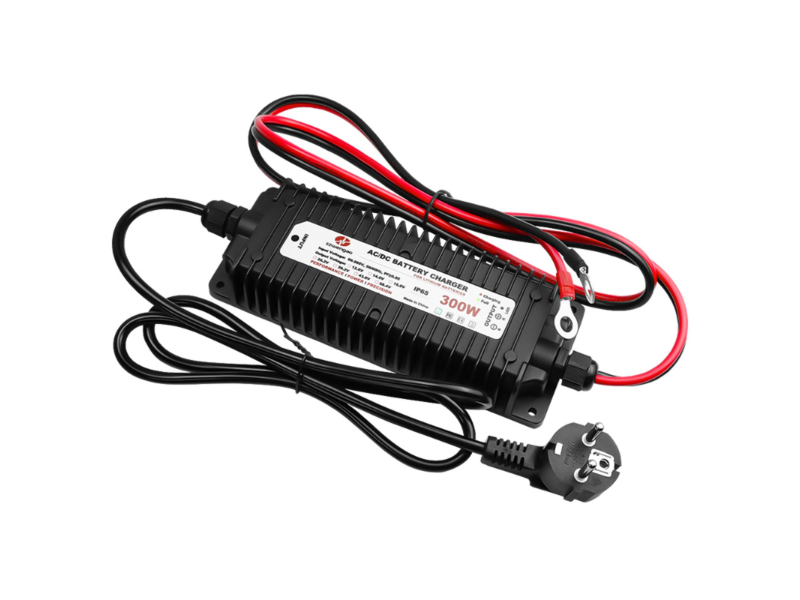
इसे दृश्य के रूप में देखें। आप किनारे से कई मील दूर हैं और मौसम खराब हो रहा है। आपको अपने इलेक्ट्रॉनिक्स - नेविगेशन, संचार और प्रकाश पर भरोसा करने की आवश्यकता है। ये इलेक्ट्रॉनिक्स बैटरी और चार्जर पर निर्भर करते हैं। जब पानी पर हों, तो सामान्य बैटरी चार्जर काम नहीं करेंगे। नमक के छींटे, आर्द्रता और बारिश की संभावना, एक मानक चार्जर की स्थिति के साथ मिलकर घातक हो सकती है। बोर्ड पर एक वाटरप्रूफ चार्जर कोई सुविधा नहीं है। यह एक महत्वपूर्ण निवेश है। चाहे एक छोटी मछली पकड़ने वाली नाव, एक शानदार याट या मैरीन अनुसंधान उपकरण को शक्ति प्रदान कर रहे हों, सही बैटरी चार्जर आपकी यात्रा पर किए गए निवेश की रक्षा कर सकता है। हम इन वाटरप्रूफ चार्जर्स के माध्यम से जा सकते हैं। ये वे चीजें हैं जिनसे सर्वोत्तम वाटरप्रूफ बैटरी चार्जर मैरीन अनुप्रयोग चार्जर बने होते हैं।
समुद्री वातावरण का निर्दयी स्वभाव
अच्छा निर्णय लेने का पहला सिद्धांत अपने प्रतिद्वंद्वी, समुद्री वातावरण के प्रति सम्मान दिखाना है। यह चरम आर्द्रता का एक जटिल संयोजन है जो अनसील किए गए घटकों में प्रवेश कर सकती है, क्षरणकारक नमकीन धुंध जो धातु के संपर्कों और सर्किट बोर्ड को खा जाती है, और बारिश या छींटों से लगातार ताजे पानी के संपर्क में आने की स्थिति है। इंजन और लहरों से होने वाले कंपन सोल्डर जोड़ों पर दबाव डाल सकते हैं और कनेक्शन को ढीला कर सकते हैं। यदि एक शुष्क, स्थिर गैराज बेंच के लिए डिज़ाइन किए गए चार्जर का उपयोग किया जाता है, तो वह विफल हो सकता है, जिससे बैटरी मृत हो सकती है या बदतर, विद्युत सर्ट हो सकता है। वास्तविक समुद्री-ग्रेड वाटरप्रूफ बैटरी चार्जर समुद्री वातावरण की कठोर प्रकृति को समझते हैं और उसके अनुसार उनका डिज़ाइन नीचे से ऊपर तक किया जाता है। इसके लिए नमी और क्षरण प्रतिरोधी कॉन्फॉर्मल कोटेड सर्किट बोर्ड, क्षरण प्रतिरोधी सामग्री से बने टर्मिनल और आवास, और समुद्र पर जीवन का सामना करने में सक्षम निर्माण की आवश्यकता होती है। ये डिज़ाइन तत्व सबसे कम समझे जाते हैं और नाविक अनभिज्ञ रह जाते हैं, जब तक कि उन्हें डिज़ाइन की कमियों को स्वीकार करने के लिए मजबूर नहीं किया जाता।
वाटरप्रूफ रेटिंग और निर्माण की गुणवत्ता की समझ
एक उत्पाद पर जो यह बताता है कि वह वॉटरप्रूफ़ है, आपको यह जानना चाहिए कि उत्पाद पूरी तरह से वॉटरप्रूफ़ नहीं होता। यहीं पर आपको अंतर्राष्ट्रीय सुरक्षा रेटिंग की आवश्यकता होती है, या IP रेटिंग, जो कुछ देशों में वॉटरप्रूफ़ सुरक्षा को मानकीकृत करने के लिए उपयोग किया जाने वाला एक दो-अंकीय कोड है। उदाहरण के लिए IP67। कोड में पहला अंक 0 से 6 के पैमाने पर ठोस कणों (जैसे धूल) के प्रवेश के संरक्षण उपाय को संदर्भित करता है, जहां 6 का अर्थ है धूलरहित। एक मरीन अनुप्रयोग के लिए आप 5 या 6 चाहते हैं। दूसरा अंक तरल पदार्थ के प्रवेश के संरक्षण उपाय को 0 से 9 के पैमाने पर रेट करता है। एक नाव पर लगे मौसम के संपर्क में आने वाले इलेक्ट्रॉनिक उपकरण के लिए, आपको IP66 रेटिंग या आदर्श रूप से IP67 रेटिंग चाहिए। यह रेटिंग एक प्रमाणित मानक होनी चाहिए और मार्केटिंग दावा नहीं होना चाहिए। एक उत्पाद के लिए जो वॉटरप्रूफ़ होने का दावा करता है, IP67 या उच्चतर रेटिंग ऐसी होनी चाहिए जो आवाज़ उत्पन्न करने वाले घेरे के साथ कोई छेद न होने जैसी दिखे, और धूलरहित (6) हो। यह रेटिंग मार्केटिंग दावा नहीं होनी चाहिए। रेटिंग के आधार पर, निर्माण का परीक्षण किया जाना चाहिए। आपको सीलबंद गैस्केट कनेक्शन, मरीन ग्रेड वायरिंग, और एक मजबूत गैर-संक्षारक बाहरी चेसिस जैसी सुविधाएं चाहिए, जो अक्सर एल्युमीनियम (अच्छे सतही लेप के साथ) होता है। सेवा के वर्षों के लिए, आपको विद्युत प्रदर्शन के समान भौतिक मजबूती हेतु निर्माण की आवश्यकता होती है।
अपनी बैटरी के अनुरूप चार्जर कैसे चुनें
अपनी बैटरी के लिए सही चार्जर खोजना बैटरी के जीवनकाल को बनाए रखने में एक महत्वपूर्ण कदम है, आखिरकार, यदि चार्जर बैटरी की रसायन विज्ञान से मेल नहीं खाता है तो वाटरप्रूफ चार्जर बेकार है। प्रत्येक बैटरी को भिन्न चार्जिंग कार्यक्रम की आवश्यकता होती है, ठीक उसी तरह जैसे प्रत्येक इंजन को अलग ईंधन की आवश्यकता होती है। तीन मुख्य प्रकार की बैटरी होती हैं: फ्लडेड लेड-एसिड, एजीएम (अवशोषक ग्लास मैट), और लिथियम आयरन फॉस्फेट। प्रत्येक को बल्क, अवशोषण और फ्लोट चार्जिंग चरणों में अलग-अलग वोल्टेज आवश्यकताओं को ध्यान में रखते हुए एक अलग चार्जर की आवश्यकता होती है। लिथियम बैटरी पर फ्लडेड बैटरी के लिए बने चार्जर का उपयोग करना खतरनाक होता है। सर्वोत्तम मैरीन चार्जर में इन विभिन्न रसायनों के लिए चयन योग्य प्रोफाइल होंगे, लेकिन आपको यह भी सुनिश्चित करना होगा कि आप अपने चार्जर को उचित आकार का चुनें। चार्जर का आउटपुट, जिसे एम्प्स में मापा जाता है, आमतौर पर बैटरी की क्षमता का लगभग 10% से 20% होता है ताकि यह सुनिश्चित हो सके कि यह छोटा या बड़ा न हो। 100Ah की बैटरी के लिए, 10-20A का चार्जर उपयुक्त रहेगा। यदि चार्जर छोटा है, तो इसे पुनः चार्ज करने में बहुत अधिक समय लगेगा। यदि यह बड़ा है और उचित ढंग से प्रबंधित नहीं किया जाता है, तो यह अत्यधिक गर्म हो सकता है और बैटरी पर अनावश्यक तनाव डाल सकता है। एक स्मार्ट, बहु-चरणीय चार्जर होना भी आवश्यक है। ये चार्जर चार्जिंग के विभिन्न चरणों में स्विच करके बैटरी के स्वास्थ्य को बनाए रखते हैं और अधिकतम दक्षता के साथ चार्जिंग पूरी करते हैं।
एक विशेषज्ञ निर्माता के चयन क्यों महत्वपूर्ण है
सभी विचारों में से, किस ब्रांड के साथ जाना है, यह महत्वपूर्ण है। नौसेना उद्योग उच्च जोखिम वाला है, जिसमें विशिष्ट मानक और विफलता के चरम परिणाम होते हैं। एक बड़े बॉक्स स्टोर के सामान्य चार्जर का चयन करना एक बड़ा जोखिम है। इसके बजाय उन निर्माताओं की ओर देखें जो विशेष रूप से चरम परिस्थितियों के लिए डिज़ाइन किए गए पावर समाधान पर केंद्रित हैं। उदाहरण के लिए, वेंगाओ इलेक्ट्रॉनिक एक उद्योग विशेषज्ञ है जो मांग वाले वैश्विक अनुप्रयोगों के लिए विश्वसनीय बिजली आपूर्ति समाधान प्रदान करने पर इंजीनियरिंग केंद्रित है। निर्माता विशेषज्ञ उन विवरणों को जानते हैं जो संक्षारण से सुरक्षा, सीलबंद आवरणों के तापीय नियमन, और कंपन के प्रति प्रतिरोध के लिए जाते हैं। उनके उत्पादों को अक्सर चरम परीक्षणों से गुजारा जाता है जो औसत उपभोक्ता के लिए निर्धारित मानकों से आगे निकल जाते हैं। एक प्रदाता का चयन करें जिसके पास दस्तावेजीकृत अनुभव और परिभाषित तकनीकी आवश्यकताएं हों, ऐसे उत्पाद जो समुद्री प्रमाणित हों, या CE या RoHS जैसे महत्वपूर्ण सुरक्षा प्रमाणपत्र धारण करते हों। एक तकनीकी साझेदार से चार्जर खरीदकर, आप केवल एक उत्पाद नहीं खरीद रहे हैं। आप वर्षों तक चलने वाले अनुसंधान, गुणवत्ता की गारंटी और यह सुकून खरीद रहे हैं कि आपकी बिजली आपूर्ति आपके जहाज पर सबसे कमजोर कड़ी नहीं होगी।
सबसे मजबूत वाटरप्रूफ बैटरी चार्जर का चयन करने में उत्कृष्ट चार्जिंग क्षमता और अधिकतम सुरक्षात्मक स्थायित्व के बीच संतुलन बनाना शामिल है। एक चार्जर को मजबूत होने की आवश्यकता होती है, जिसमें उच्च IP रेटिंग हो जो पर्यावरण का सामना कर सके, लेकिन साथ ही आपकी बैटरी के स्वास्थ्य को बनाए रखने के लिए स्मार्ट चार्जिंग क्षमताएँ भी होनी चाहिए। समुद्री विद्युत अनुप्रयोगों के विशेषज्ञ से बैटरी रसायन के अनुरूप वाटरप्रूफिंग और चार्जर प्राप्त करना केवल बैटरी को पूरी तरह चार्ज करने की क्षमता से अधिक देता है। आपको शांति की भावना, अपने समुद्री उपकरणों की स्थायित्व पर निर्भर रहने की क्षमता और पूरी तरह चार्ज बैटरी की विश्वसनीयता भी मिलती है। अपनी अगली यात्रा को खराब हो रही बैटरी से सीमित न होने दें, अपने जहाज के लिए एक ऐसा चार्जर लें जो यात्रा का सामना कर सके।