
 EN
EN
 AR
AR
 BG
BG
 HR
HR
 CS
CS
 DA
DA
 NL
NL
 FI
FI
 FR
FR
 DE
DE
 EL
EL
 HI
HI
 IT
IT
 JA
JA
 KO
KO
 NO
NO
 PL
PL
 PT
PT
 RO
RO
 RU
RU
 ES
ES
 SV
SV
 CA
CA
 TL
TL
 IW
IW
 ID
ID
 SR
SR
 SK
SK
 UK
UK
 VI
VI
 HU
HU
 TH
TH
 TR
TR
 FA
FA
 AF
AF
 MS
MS
 GA
GA
 HY
HY
 BN
BN
 MN
MN

What are the key features to look for in a reliable waterproof battery charger?
From solar power systems to electric vehicles, batteries power nearly everything we use. However, a battery's performance also depends on its charger. If you are using your gear where water, dust, or moisture are common, a standard charger will not do the trick. You need a charger designed to withstand the elements. This is where waterproof battery chargers come into play. But not all waterproof chargers are the same. So what are the must-have features to consider when choosing a charger you can trust? Let us break down the essentials.
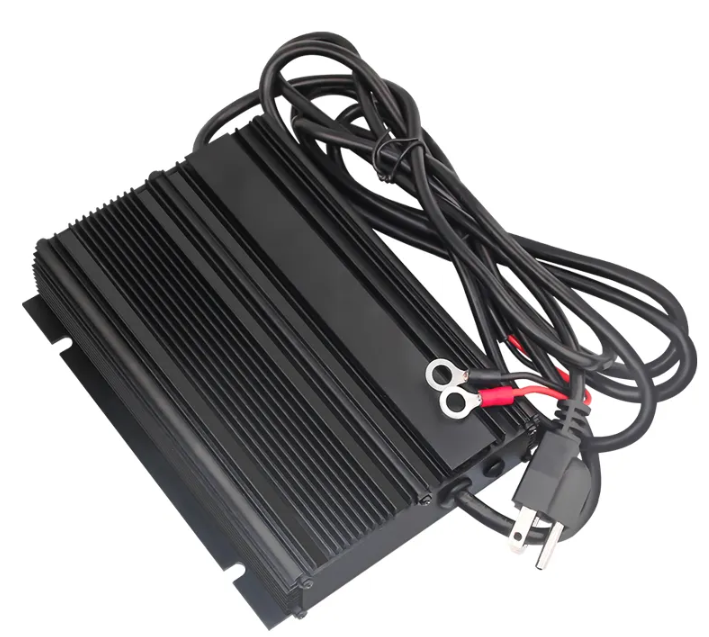
Understanding the Waterproof Rating
The waterproofness of a charger is vital information and should never be guessed. It is measured by a standard system called Ingress Protection rating, or IP rating. You will see numbers like IP67 or IP68. The first number refers to protection from solids, like dirt and dust. The second number refers to protection from moisture. The higher the rating, the better the protection. For example, an IP67 rating means the charger is completely dust tight and can be temporarily submerged in water up to one meter. This means you can use the charger worry free in rain, around splashes, or even if it gets accidentally dropped in water. When buying a charger, always check the IP rating to understand just how waterproof it really is.
Smart Charging Technology
A good charger does more than just push power into a battery. It manages the charging process intelligently. Smart chargers detect the state of the battery and adjust their output accordingly. They might begin with a bulk charge to get the battery level up quickly. Then they shift to a lower power level to top it off carefully. Finally, they may enter a float state where the output keeps the battery at full charge without any risk of overcharging. This smart technology is essential for battery health. It prevents damage from overcharging and ensures your batteries are always ready when you need them. Without it, you are just guessing, and guessing can be risky for expensive batteries.
Durability and Build Quality
Waterproofing and shockproofing are two different things, but both are equally important for a charger that will last. Think about where it might be used. On a boat, it will face constant vibrations and bumps. On a job site, it might get knocked around or dropped. A reliable waterproof battery charger needs a tough exterior. Look for cases made from materials like heavy duty plastic or anodized aluminum. These can take a hit and won't corrode. The connections need to be equally sturdy. Marine grade terminals are best because they resist rust and corrosion. Cables should be thick and double insulated. When you pick up a charger, it should feel solid and well built. A charger made this way will stand the test of time, even in extreme conditions.
Compatibility with Different Battery Types
You might have lead acid, AGM, gel cell, or lithium batteries. Each type has its own requirements when it comes to charging. A good charger needs to work with the exact batteries you are using. Some advanced chargers are multi chemistry. These can tell what kind of battery is connected and automatically change the charging profile to match. This is a huge advantage. If you use a charger with the wrong profile, it can cause irreversible damage to your battery. So before you buy, make absolutely sure the charger is designed to work safely with your batteries.
Power Output and Efficiency
No charger is 100 percent efficient. Some power from the outlet is always lost as heat. Good chargers have a higher efficiency rating. High efficiency means less power is wasted, which saves you money on your electric bill. It also means less heat builds up inside the charger. Since electronics do not like high temperatures, a cooler running charger is a more reliable one.
Besides efficiency, consider the charger's power output, which is measured in amps. A charger that is too small will take a very long time to charge your batteries. One that is too large can also be a problem. You want a charger that matches your battery bank. A good rule of thumb is to pick a charger with a charging current of 10 to 20 percent of your battery's total amp hour capacity.
Safety Protections
Safety is a big part of reliability. Look for chargers with multiple built in safety features. Reverse polarity protection is important. It means if you accidentally connect the clamps backwards, the charger will not spark or get damaged. Overcharge protection stops charging once the battery is full. Short circuit protection and over temperature protection are also essential. If something goes wrong, these features make the charger shut down safely, protecting both the charger and your batteries. When it comes to electricity and batteries, safety should always be the biggest concern.
Size and Portability
Think about where you will use the charger. If you need one for a boat or an RV, space is often limited. You want something compact that can be mounted in a small area. If you need it for job sites or field use, you might want something lightweight and portable, with a handle or a carrying case. Consider where the charger will sit most of the time and how often you will need to move it. A good charger balances rugged design with your practical needs.
Ease of Use
A charger can have all the advanced features in the world, but if it is hard to use, it is frustrating. Look for clear indicators that show what is going on. Simple LED lights that show power, charging status, and faults are very helpful. Some chargers even have digital displays that show voltage and charge percentage. The controls should be simple. You should not need to read a manual every time you want to charge a battery. Also consider the cables. Are they long enough to reach your batteries easily? Are the clamps or connectors easy to attach? User friendly design makes a big difference.
Brand Reputation and Support
Finally, think about the company that makes the charger. A waterproof battery charger is an investment. You want it to last, and if something goes wrong, you want to be able to get help. Look for companies with a good reputation and a long history of making reliable power solutions. Companies with many years of experience, a strong commitment to research and development, and a wide global reach are generally more dependable. They are in this business for the long haul. Check that they have strong customer service and good warranty policies. When you buy from a reputable company, you are buying quality, and that brings real peace of mind.
Making the Right Choice
Choosing a reliable waterproof battery charger means looking at all these features together. You need a charger that is truly waterproof with a high IP rating. It needs smart charging technology to protect your batteries. It must be compatible with your specific battery types and efficient in its operation. Safety features are non negotiable. The size and design should fit your practical needs. And a trusted brand gives you confidence in your purchase. Take your time, compare your options, and choose a charger that will serve you and your batteries well for years to come. A good charger means you can pull it out anytime, knowing your equipment will be ready to go.
Recommended Products
Hot News
-
Application Advantages of Non-Isolated BUCK Converters Compared to Isolated Step-Down Converters
2024-01-23
-
DC-DC Converters Showcase Remarkable Advantages in Outdoor Off-Grid Applications
2024-01-23
-
DC to DC Battery Charger - Wide input and Noise immunity for dual battery system applications
2024-01-19