 EN
EN
 AR
AR
 BG
BG
 HR
HR
 CS
CS
 DA
DA
 NL
NL
 FI
FI
 FR
FR
 DE
DE
 EL
EL
 HI
HI
 IT
IT
 JA
JA
 KO
KO
 NO
NO
 PL
PL
 PT
PT
 RO
RO
 RU
RU
 ES
ES
 SV
SV
 CA
CA
 TL
TL
 IW
IW
 ID
ID
 SR
SR
 SK
SK
 UK
UK
 VI
VI
 HU
HU
 TH
TH
 TR
TR
 FA
FA
 AF
AF
 MS
MS
 GA
GA
 HY
HY
 BN
BN
 MN
MN

Why is efficiency rating important when selecting a DC DC converter?
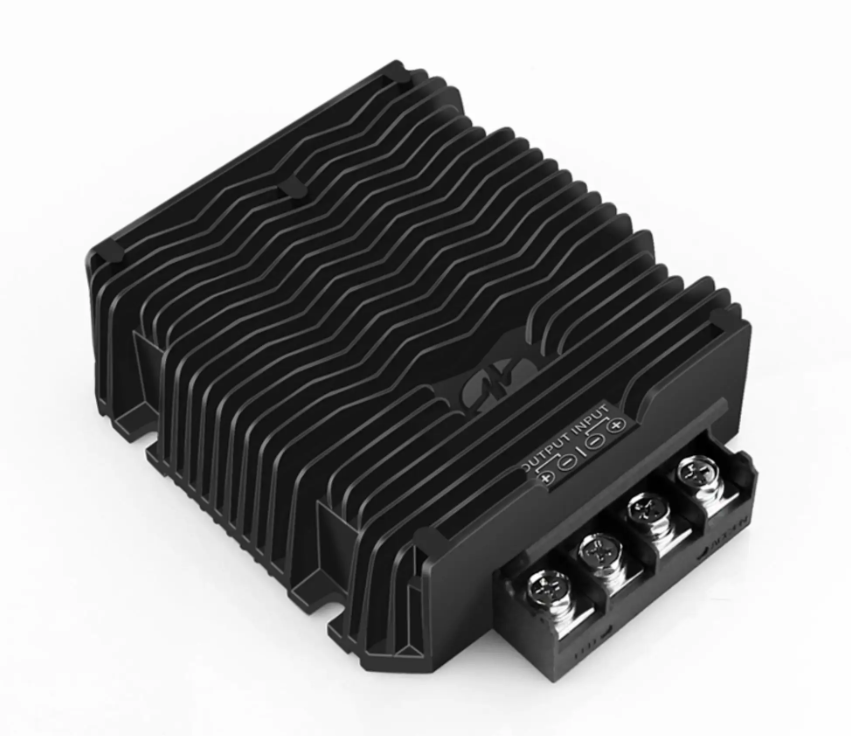
Perhaps you have come across the term DC DC converter when working on an electronic project or attempting to power a certain device. These devices seem simple enough. They take direct current voltage and change it to a different level. You might suppose that all converters are the same. That would be incorrect. One of the most important things to consider when choosing one is the efficiency rating. But why does this number matter so much? Let us simplify it.
What Does Efficiency Really Mean?
In simple terms, it is a measure of how well a converter transfers power without wasting it. No electronic device is perfect. Some energy will always be lost, most often as heat. So, consider a converter that is 90 percent efficient. This means that 90 percent of the power going in comes out as usable power for your device. The remaining 10 percent is lost. In the real world, this impacts a number of things. That is why the efficiency rating is such a big deal.
Saving Money on Your Energy Bill
It is quite simple. If your DC DC converter is inefficient, you are paying for power that you are not actually using. For a personal project, the loss might be minimal. However, consider a bigger scenario. Imagine a factory with dozens of machines operating every hour of every day. Or a telecommunication center that runs 24 hours a day. In these situations, even a small drop in efficiency can translate into a huge amount of wasted power and higher bills over the month. Choosing a converter with better efficiency is one of the smartest ways to keep operating costs low.
Dealing with the Heat Problem
As we mentioned, lost energy turns into heat. That is a significant issue. Less efficient converters run hotter. Heat is the enemy of electronics. Not only does it make components wear out faster, but it can also become a safety concern. If you have a converter working at only 70 percent efficiency, it is going to pump out a lot of heat. That means you would need to add cooling fans or heat sinks to your system. This adds cost, takes up space, and creates more points where things could fail.
A highly efficient DC DC converter, on the other hand, stays cool. It runs comfortably without needing any extra cooling gear. This makes your whole system simpler, more reliable, and often smaller. For applications that need to be compact, like in robotics or vehicles, running cool in a small space is a huge advantage.
Reliability and Longevity
Heat does not just make a system uncomfortable. It slowly damages components over time. Every electronic part has a certain lifespan, and that lifespan gets shorter as temperatures rise. So a converter that runs hot is likely to fail much sooner. That means more downtime, more repairs, and more headaches for you.
When you choose a more efficient converter, you are picking a device that operates under less stress. It runs cooler, and its internal parts experience less wear and tear. This can make a huge difference in critical situations, like in medical equipment or industrial controls. Reliability is not just a nice word. It is a real outcome of good design and high efficiency.
Delivering the Right Power
Are you sure your converter can deliver the power you need? Sometimes a converter might handle a certain output on paper, but its efficiency drops dramatically under load. You might find that at full power, it gets so hot that the device cannot operate for more than a few minutes.
Quality focused manufacturers, especially those with strong research and development teams, build their converters to perform well across a range of loads. They design them to shift smoothly from light load to heavy load while maintaining good efficiency. That kind of balanced performance is the mark of a well engineered DC DC converter.
The Environmental Angle
Wasting energy is bad for the environment, not just your wallet. When power is lost as heat, that is energy that had to be generated somewhere, often by burning fossil fuels. By reducing wasted energy, we all help lower the overall demand for electricity. For companies looking to reduce their environmental footprint, using high efficiency converters is an easy and practical step. It is a small change that adds up when many people make it.
Size Matters in Modern Design
Have you noticed how modern technology keeps getting smaller? Phones, laptops, and medical devices have all become more compact while becoming more powerful. But this trend puts pressure on every internal component.
Inefficient converters that need large heat sinks and cooling fans simply do not fit in modern, slim designs. High efficiency converters, in contrast, can be made small because they waste less energy and produce less heat. This allows engineers to create compact products without sacrificing performance. A small, efficient DC DC converter gives designers the freedom to build better, more innovative products.
What the Datasheet Tells You
With so many converters on the market, how do you compare them based on efficiency? The most important thing to look at is the efficiency curve. A converter might advertise itself as 95 percent efficient, but that number might only be true at one specific voltage and load. When you check the datasheet, look at how the converter performs across the range that matters for your project. Pay attention to your typical operating conditions. If your device will usually run at half load, you want good efficiency at that point, not just at full load.
Reputable manufacturers provide clear and honest data about their products. They test their designs thoroughly and publish real numbers. This transparency helps you make an informed choice based on your actual needs.
Making the Smart Choice
Choosing a DC DC converter with a high efficiency rating is simply smart engineering. It saves energy, reduces heat, and improves reliability. It may even let you build smaller products. Whether you are working on a one off project or planning a large industrial application, that number on the datasheet really matters. Take the time to compare ratings, understand what you need, and make a choice that will serve you well for years to come.
Recommended Products
Hot News
-
Application Advantages of Non-Isolated BUCK Converters Compared to Isolated Step-Down Converters
2024-01-23
-
DC-DC Converters Showcase Remarkable Advantages in Outdoor Off-Grid Applications
2024-01-23
-
DC to DC Battery Charger - Wide input and Noise immunity for dual battery system applications
2024-01-19