
 EN
EN
 AR
AR
 BG
BG
 HR
HR
 CS
CS
 DA
DA
 NL
NL
 FI
FI
 FR
FR
 DE
DE
 EL
EL
 HI
HI
 IT
IT
 JA
JA
 KO
KO
 NO
NO
 PL
PL
 PT
PT
 RO
RO
 RU
RU
 ES
ES
 SV
SV
 CA
CA
 TL
TL
 IW
IW
 ID
ID
 SR
SR
 SK
SK
 UK
UK
 VI
VI
 HU
HU
 TH
TH
 TR
TR
 FA
FA
 AF
AF
 MS
MS
 GA
GA
 HY
HY
 BN
BN
 MN
MN

How to choose the right waterproof battery charger for marine applications?
If you have a boat, then you understand everything on board gets exposed to the water, salt, and constant rocking associated with being on the water. This means all the equipment has to be extremely durable. Your power sources, meaning your batteries, are critical to keeping the engines, electronics, and everything running. A battery charger also has to be durable enough to withstand the onboard elements. That is why it is so important to consider all the features when buying a waterproof battery charger for your boat. It is not just about being able to deliver power. It is about being able to deliver power in a tough and reliable manner while you are out on the water. So how do you know what features to consider? Keep reading to find out.
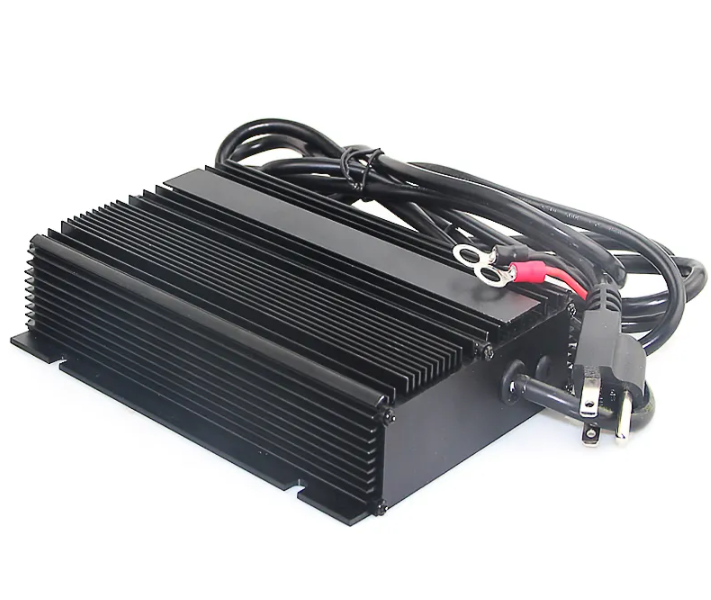
Understanding the Marine Environment
Let us start with the marine environment itself. A boat is not like a garage or a workshop. It is a wet, salty, and constantly moving environment. Water can be present in the form of rain, waves, or just humidity in the air. Salt is even worse than water. It can corrode metals and damage electronics faster than almost anything else. Regular chargers are built for dry land environments. A regular battery charger will simply not survive in a marine environment. It might work for a few weeks or months, but eventually corrosion will start and moisture will get inside. This is why a waterproof battery charger is not just an added bonus on a boat. It is an absolute necessity. The charger has to be built to resist both corrosion and water.
What Does Waterproof Mean for a Charger?
When we say a charger is waterproof, we mean it meets certain standards. The most common way to measure this is with an Ingress Protection rating, or IP rating. You may have seen something like IP67 or IP68. The first number tells you how well it keeps out solids like dust. The second number tells you how well it keeps out liquids. For a marine charger, the higher these numbers, the better. An IP67 rating, for example, means the charger is dust tight and can handle being temporarily submerged in water. This is the kind of protection you want. Splashes, spray, and even an accidental drop in the water should not kill your charger. The safest way to judge waterproofing is to check the IP rating. Every good model will have this rating clearly listed.
Choosing a Charger Based on Your Battery Type
Batteries are not all the same, and chargers are not all the same. Boats use a wide variety of batteries for different jobs. You may have lead acid batteries for starting the engine. For running your lights and electronics, you might use deep cycle batteries. There are also more modern options, like AGM and lithium batteries. Each of these battery types needs a different charging profile to stay healthy and last a long time. The wrong charger could damage your batteries or shorten their lifespan.
So, before you choose a waterproof battery charger, you need to identify exactly what kind of batteries you have. Check their voltage and capacity. Make sure the charger you pick is compatible with your battery type. This is true even for smart chargers. Smart chargers can often detect the battery type automatically and adjust the charging rate to match. This takes the guesswork out of it and helps your batteries last longer.
Getting the Right Size and Power
Another important factor is the size of the charger. Here, size means its power output, which is measured in amps. If the charger is too small, it will take a long time to charge your batteries. It might also struggle to keep up if you have a lot of electrical devices running on your boat. On the other hand, if the charger is too large, it might be overkill and could end up being less efficient.
To get the size right, check the total capacity of your battery bank. This is measured in amp hours. A good rule of thumb is to choose a charger that can deliver a charging current of about 10 to 20 percent of your total battery bank capacity. For example, if you have a 200 amp hour battery bank, you would want a charger with an output between 20 and 40 amps. This range gives you a good balance between charging speed and keeping your batteries healthy for the long term. Also think about how you use your boat. If you know you will be using a lot of power for long periods, a bigger charger will be very useful.
Durability and Build Quality
A battery charger for a boat needs to be built tough. It has to endure more than just water. It needs to handle vibration, bumps, and the daily wear and tear of life on the water. Look for chargers with rugged construction. Tough, impact resistant cases made of anodized aluminum or heavy duty plastic are good signs. The connections should be solid and sealed against moisture. Also, think about where you will mount the charger. Try to choose the most protected spot you can find. But even then, the charger itself needs to be built to handle the environment.
It is smart to choose a manufacturer with proven experience in power solutions. Companies that understand what customers need in demanding, waterproof applications are most likely to produce durable products. Manufacturers that invest in research and development and offer a wide range of chargers really understand build quality. A well made charger is a pleasure to use. It feels solid, and the quality is noticeable.
Smart Features That Make a Difference
Modern chargers often come with smart features that can really help. One great example is multi stage charging. This means the charger automatically adjusts its output based on how full the battery is. It might use a bulk stage for fast charging, an absorption stage for topping off, and a float stage for maintenance. This kind of smart charging greatly improves battery life compared to a simple, constant current charge.
Some chargers even have temperature compensation. Extreme temperatures can affect how a battery charges. A charger with this feature adjusts its output based on the temperature, so it works well in more conditions. On top of all this, some chargers offer remote monitoring. You can check on your battery charger from your phone or a display panel. These smart features help you get the absolute most out of your batteries.
Considering the Installation
Take some time to think about how the charger will actually be installed on your boat. Does it come with mounting brackets? Are the cables long enough to reach your batteries? Is it designed to be mounted in different positions, like sideways? How easy is the whole process going to be? A charger that is not secured properly could rattle around and get damaged. And if the cables are too short, that creates a whole new problem.
Also think about the connections themselves. Look for marine grade terminals, because they resist corrosion much better. Some chargers have sealed cable glands where the wires enter and exit the unit. This is excellent for keeping moisture out. Taking the time to plan the installation ahead of time will save you a lot of frustration later.
Why Brand and Support Matter
You should also think about the company that makes the charger. A good waterproof battery charger is an investment. It will cost a fair amount of money. That is why buying from top tier manufacturers with a lot of experience is a smart idea. Some manufacturers cut corners and use cheaper materials to build their power supplies. You want to avoid those.
It is always a good idea to look for manufacturers known for great customer service. You do not want to be stuck without help if you run into a problem. Also, look for companies with strong research and development teams. That shows they are working to improve their products and keep up with new technology. Choosing a charger from a reputable brand means you are buying more than just a product. You are buying peace of mind and trust.
Making Your Final Choice
Your final choice should be the waterproof battery charger that matches all your specific needs. Think about the type of batteries you have. Consider your level of power consumption. And remember the conditions the charger will have to live in. A high IP rating means good waterproofing. Make sure you buy the right amperage. Consider adding smart features to help protect your batteries. And look for options from companies with a good reputation in the industry. With the right charger, you will enjoy reliable power and good battery health. You can relax, knowing your charger is helping keep you safe and having a good time out on the water.
Recommended Products
Hot News
-
Application Advantages of Non-Isolated BUCK Converters Compared to Isolated Step-Down Converters
2024-01-23
-
DC-DC Converters Showcase Remarkable Advantages in Outdoor Off-Grid Applications
2024-01-23
-
DC to DC Battery Charger - Wide input and Noise immunity for dual battery system applications
2024-01-19