 EN
EN
 AR
AR
 BG
BG
 HR
HR
 CS
CS
 DA
DA
 NL
NL
 FI
FI
 FR
FR
 DE
DE
 EL
EL
 HI
HI
 IT
IT
 JA
JA
 KO
KO
 NO
NO
 PL
PL
 PT
PT
 RO
RO
 RU
RU
 ES
ES
 SV
SV
 CA
CA
 TL
TL
 IW
IW
 ID
ID
 SR
SR
 SK
SK
 UK
UK
 VI
VI
 HU
HU
 TH
TH
 TR
TR
 FA
FA
 AF
AF
 MS
MS
 GA
GA
 HY
HY
 BN
BN
 MN
MN

Understanding Buck-Boost DC-DC Converters: Applications and Advantages
How Buck-Boost DC-DC Converters Work
Basic Operating Principles
Buck-Boost DC-DC converters perform a critical role in power supply systems by efficiently converting voltage levels, providing both step-up (boost) and step-down (buck) functionalities within a single configuration. This flexibility is achieved through a unique switching mechanism that alternately connects the input voltage to either an inductor or a load. By adjusting the duration that switches are in either state, these converters are capable of regulating output voltage even under varying input conditions. Central to their operation are components like inductors and capacitors, which store and release energy, ensuring smooth voltage transitions. Diodes also play a crucial part by allowing current to flow in the desired direction while preventing energy waste through backward flow. The integrated role of these components ensures the converter maintains high energy efficiency, crucial for applications in automotive, telecommunications, and industrial equipment.
Voltage Regulation Mechanisms
Buck-Boost converters employ advanced voltage regulation mechanisms to guarantee consistent output under fluctuating inputs and varying loads. These mechanisms often involve feedback systems, where a portion of the output voltage is sampled and fed back to a control circuit that adjusts the switching operations accordingly. Control circuits are imperative in maintaining stable output by modulating the switching duty cycle, thus adapting to changing conditions swiftly. These regulation techniques are vital in practical applications, such as in electric vehicles and robust telecommunications systems, where converters must uphold reliability and performance standards. By employing these mechanisms, buck-boost converters can ensure optimal performance and energy efficiency, addressing the nuanced demands of modern technology landscapes.
Key Applications in Modern Technology
Industrial Automation Systems
Buck-boost converters play an integral role in industrial automation by enhancing power management efficiency. These devices enable industries like manufacturing and process automation to utilize energy more effectively, ensuring smooth operations across various systems. For example, in manufacturing settings, buck-boost converters regulate voltage levels to power machinery efficiently, reducing downtime and energy wastage. Statistics highlight that industries using buck-boost solutions report substantial energy savings, significantly lowering operational costs. This makes buck-boost converters highly valued in environments where energy efficiency directly impacts productivity and profitability.
Electric Vehicles and Transportation
In electric vehicles (EVs), buck-boost converters are crucial for managing power systems, particularly in battery management. They help maintain the balance between the battery pack and the motor, ensuring that the vehicle operates efficiently. By leveraging these converters, EVs can extend their range and enhance performance — factors consistently supported by industry research. Furthermore, advances in charging technologies, which integrate buck-boost converters, contribute to faster and more efficient charging processes. These advancements not only improve vehicle efficiency but also support the broader transition towards sustainable transport solutions.
Renewable Energy Systems
Buck-boost converters facilitate the seamless integration of renewable energy sources, such as solar and wind, into power grids. They optimize energy harvesting by converting and stabilizing fluctuating voltages from renewable sources, ensuring reliable and consistent power supply. Recent studies underscore their role in enhancing system reliability, particularly in off-grid renewable energy installations where stable power output is vital. The trend towards using buck-boost converters in these systems is growing, reflecting their capability to maximize the benefits of renewable energy sources, ultimately supporting sustainable energy initiatives.
Advantages of Using Buck-Boost Converters
High Efficiency and Energy Savings
Buck-boost converters are notable for their high efficiency in energy conversion. These converters often achieve efficiency rates surpassing 90%, which is considerably higher compared to other types of converters like the simple buck or boost converter. Such performance results in significant energy savings, as highlighted in case studies where businesses witnessed a reduction in energy costs due to improved operational efficiency. For instance, several white papers have illustrated scenarios where buck-boost converters played a pivotal role in lowering energy consumption, thereby reducing operational costs substantially. By optimizing the power management within applications, these converters contribute to eco-friendly and cost-effective solutions in industries ranging from telecommunications to automotive.
Flexibility in Voltage Conversion
One hallmark of buck-boost converters is their flexibility in voltage conversion across various demanding applications. These converters seamlessly switch between different voltage levels, providing a versatile solution for industries that require stable and adjustable power outputs, such as robotics and renewable energy sectors. Such adaptability aligns well with technological advancements in converter design, enabling businesses to integrate more sophisticated electronic systems. Expert opinions frequently underline the long-term benefits, citing enhanced reliability and sustainability in systems where flexible voltage conversion is essential. This adaptability ensures that industries can meet evolving technological demands without compromising on efficiency or effectiveness in their operations.
Top Buck-Boost DC-DC Converter Solutions
Industrial 36-90V Isolated DC-DC Converter
Industrial 36-90V isolated DC-DC converters are versatile power solutions perfect for demanding industrial settings. These converters offer a wide input voltage range and high efficiency, making them ideal for applications like robotics and automated manufacturing processes. With features like short circuit and overload protection, these converters ensure reliable performance. Additionally, they meet industry standards such as RoHS and CE, which further enhance their reliability and trustworthiness in various environments.
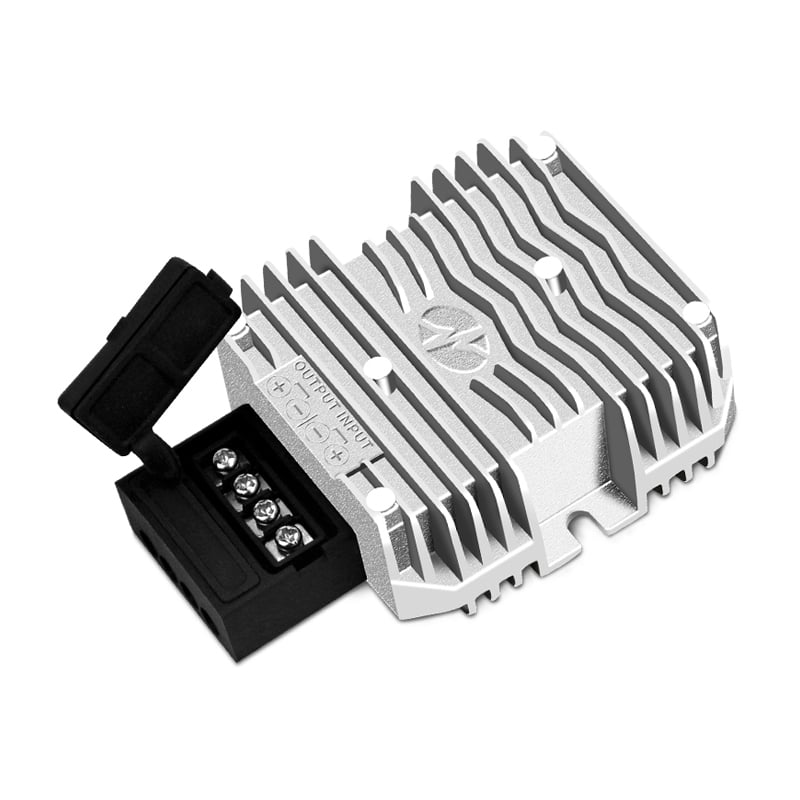
60V to 13.8V Step-Down Regulator for EVs
The 60V to 13.8V step-down regulator is crucial for enhancing electric vehicle (EV) applications. This device effectively reduces voltage, supporting the optimal performance of EV batteries and improving overall vehicle efficiency. It boasts high efficiency, up to 96.4%, and features like short circuit protection ensure the longevity and reliability of EV systems. Users have reported significant improvements in battery life and energy management, underscoring its effectiveness in real-world applications.
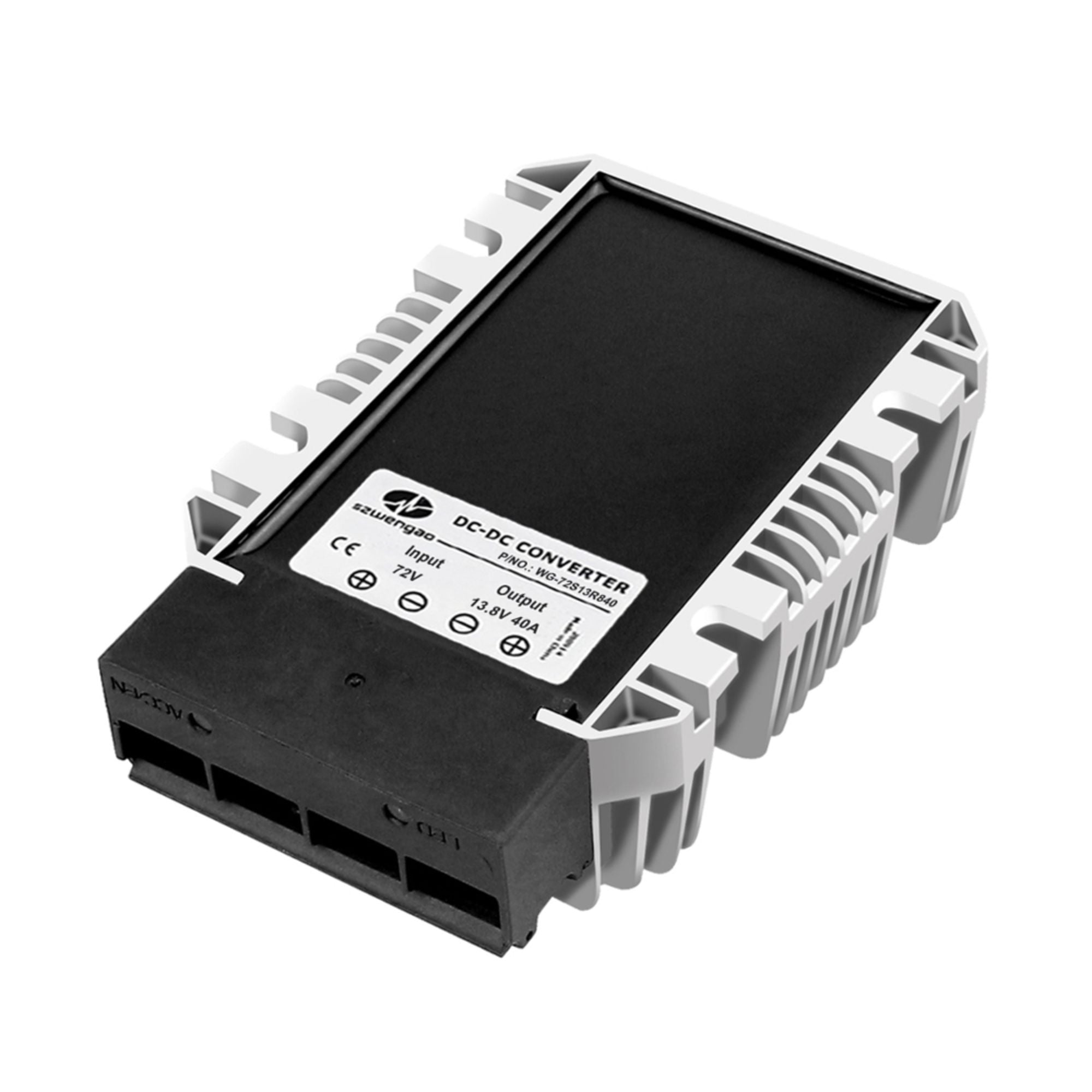
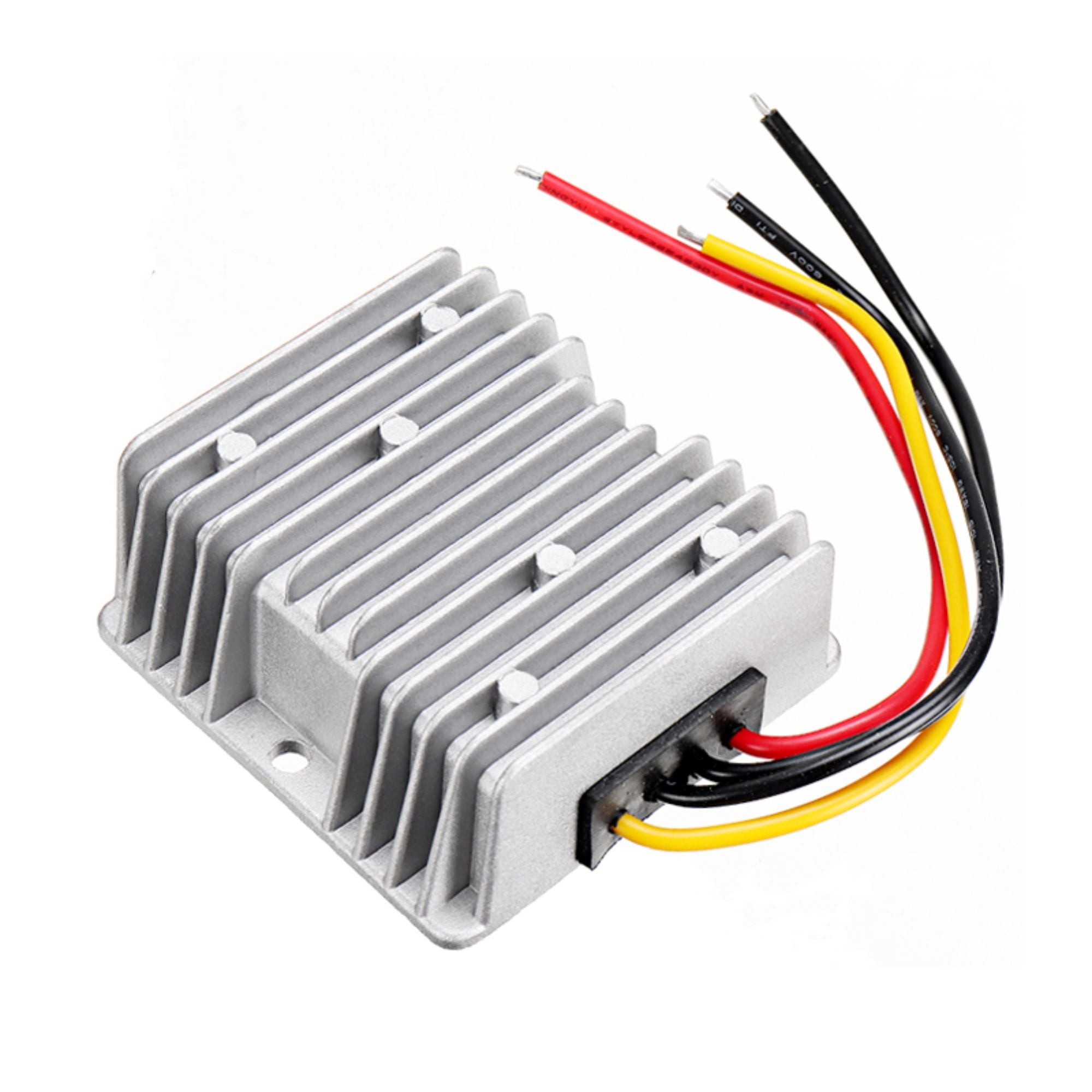
60V to 12V Buck Module for Golf Carts
This 60V to 12V buck module is tailored to enhance golf cart performance, making it suitable for both leisure and commercial uses. The module offers easy compatibility with various golf cart models, allowing seamless integration. With efficiency improvements up to 95.4%, users experience longer drive times and reduced energy consumption. The waterproof, dust-proof, and shock-proof design ensures robust and reliable performance in diverse environments.
Choosing the Right Converter for Your Needs
Input/Output Voltage Requirements
Matching input and output voltage requirements is crucial when selecting a buck-boost converter. Not meeting these requirements can lead to inefficient energy transfer and potential device malfunction. When assessing voltage requirements, it is important to accurately calculate the needed levels based on specific applications. This can be achieved by identifying the input voltage range and the desired output voltage to ensure compatibility. Common pitfalls to avoid include neglecting to account for voltage drops and overshooting the voltage range a device can handle. By carefully adhering to voltage matching guidelines, you can optimize the performance and longevity of your converters.
Environmental and Safety Considerations
When selecting a buck-boost converter, considering key environmental factors such as temperature and humidity is essential. Extreme conditions can compromise the performance and reliability of converters, emphasizing the need for suitable environmental accommodations. Additionally, converters should meet safety certifications and standards like UL or ISO for various applications to ensure user safety and device compliance. Ensuring converters undergo rigorous environmental testing procedures, such as thermal cycling and humidity stress tests, is vital. These tests help verify the converters' reliability under harsh conditions, allowing for their dependable operation in diverse environments.
Recommended Products
Hot News
-
Application Advantages of Non-Isolated BUCK Converters Compared to Isolated Step-Down Converters
2024-01-23
-
DC-DC Converters Showcase Remarkable Advantages in Outdoor Off-Grid Applications
2024-01-23
-
DC to DC Battery Charger - Wide input and Noise immunity for dual battery system applications
2024-01-19