 EN
EN
 AR
AR
 BG
BG
 HR
HR
 CS
CS
 DA
DA
 NL
NL
 FI
FI
 FR
FR
 DE
DE
 EL
EL
 HI
HI
 IT
IT
 JA
JA
 KO
KO
 NO
NO
 PL
PL
 PT
PT
 RO
RO
 RU
RU
 ES
ES
 SV
SV
 CA
CA
 TL
TL
 IW
IW
 ID
ID
 SR
SR
 SK
SK
 UK
UK
 VI
VI
 HU
HU
 TH
TH
 TR
TR
 FA
FA
 AF
AF
 MS
MS
 GA
GA
 HY
HY
 BN
BN
 MN
MN

The Efficiency of Buck DC-DC Converters in Power Management Solutions
Key Features of High-Efficiency Buck DC-DC Converters
Wide Input Voltage Range for Versatile Applications
One of the major advantages of high-efficiency buck DC-DC converters is their wide input voltage range, which allows them to support a variety of applications across different industries. This feature is especially beneficial in environments where voltage levels can vary significantly, such as in automotive, telecommunications, and industrial equipment sectors. Typically, these converters can accommodate input voltages that span from as low as 10 volts to as high as 90 volts, making them adaptable to both low-voltage and high-voltage scenarios. According to industry standards, a broad input voltage range enhances the flexibility and reliability of power conversion systems, as seen in specific applications like electric vehicles and renewable energy solutions.
Optimized Energy Efficiency (Up to 96%)
High energy efficiency in buck DC-DC converters translates to reduced energy consumption and significant cost savings. These converters achieve efficiencies of up to 96%, meaning that only a minimal fraction of energy is lost during conversion. In contrast, older technologies often exhibit higher energy losses, resulting in operational inefficiencies and increased electricity costs. Modern buck converters minimize these losses through advanced circuit designs and components that optimize energy transfer. A comparative study of older and newer converter technologies clearly demonstrates the superior efficiency of modern solutions, which aligns with the demand for sustainable and cost-effective energy management in contemporary industries.
Advanced Protection Mechanisms: Short-Circuit & Overload
Advanced protection mechanisms integrated within high-efficiency buck DC-DC converters are crucial for ensuring their safety and reliability. These mechanisms, including short-circuit and overload protections, safeguard the devices against potential electrical faults that could lead to failures or damage. By implementing specific technologies like current limiting and thermal shutdowns, these converters maintain stable operation even under unexpected or extreme conditions. Statistics indicate that systems equipped with such protection mechanisms exhibit significantly lower failure rates compared to those without, highlighting the importance of these technologies in prolonging the lifespan and performance of the converters.
Robust Design for Extreme Environments (-40°C Support)
The robust design of high-efficiency buck DC-DC converters allows them to function reliably in extreme environments, including temperatures as low as -40°C. This capability is integral for applications in harsh conditions such as outdoor equipment, military operations, and space technology. By utilizing materials engineered for durability and employing principles that enhance thermal management, these converters maintain their performance and safety despite environmental challenges. Field applications and research studies reveal that converters with robust designs offer superior environmental performance, thus supporting continuous operation even in the most demanding scenarios.
Critical Applications in Modern Power Systems
Telecommunications Infrastructure Support
In the telecommunications sector, buck converters play a crucial role in ensuring efficient and reliable power supply. They are essential in powering a myriad of telecom infrastructure components, such as base stations, routers, and data centers, which require consistent voltage levels. Buck converters are favored for their ability to step down high voltage levels to usable levels in telecom applications. For instance, a report by a leading telecommunications company highlighted a 15% improvement in power efficiency after implementing high-efficiency buck converters in their systems. This not only enhances the performance of the telecom equipment but also results in significant cost savings over time.
Solar Energy System Voltage Stabilization
Buck converters are integral to the stability of solar energy systems, effectively managing voltage levels and ensuring consistent energy supply. In solar applications, they convert variable output from solar panels to a stable voltage that is suitable for energy storage systems or direct usage. Compared to traditional solutions, buck converters offer superior efficiency and better thermal management. For example, a study published in a renewable energy journal found that integrating buck converters into Energy Management Systems (EMS) enhanced voltage regulation and reduced energy wastage by over 20%. This efficiency boost is crucial in maximizing the return on investment in solar infrastructure.
Electric Vehicle Power Management
Power management is a cornerstone of electric vehicle (EV) performance and efficiency, where buck converters play a vital role. These converters efficiently manage the power flow from the battery to the electric drivetrain, optimizing energy usage and prolonging battery life. Modern EVs incorporate advanced power management solutions involving buck converters to handle varying power requirements. As a result, automotive industry statistics reveal a 10-15% increase in driving range and battery efficiency in vehicles employing these advanced systems. Consequently, buck converters are indispensable in enhancing the overall efficiency and sustainability of electric vehicles, aligning with the increasing demand for eco-friendly transportation solutions.
Advanced Buck Converter Solutions for Industrial Use
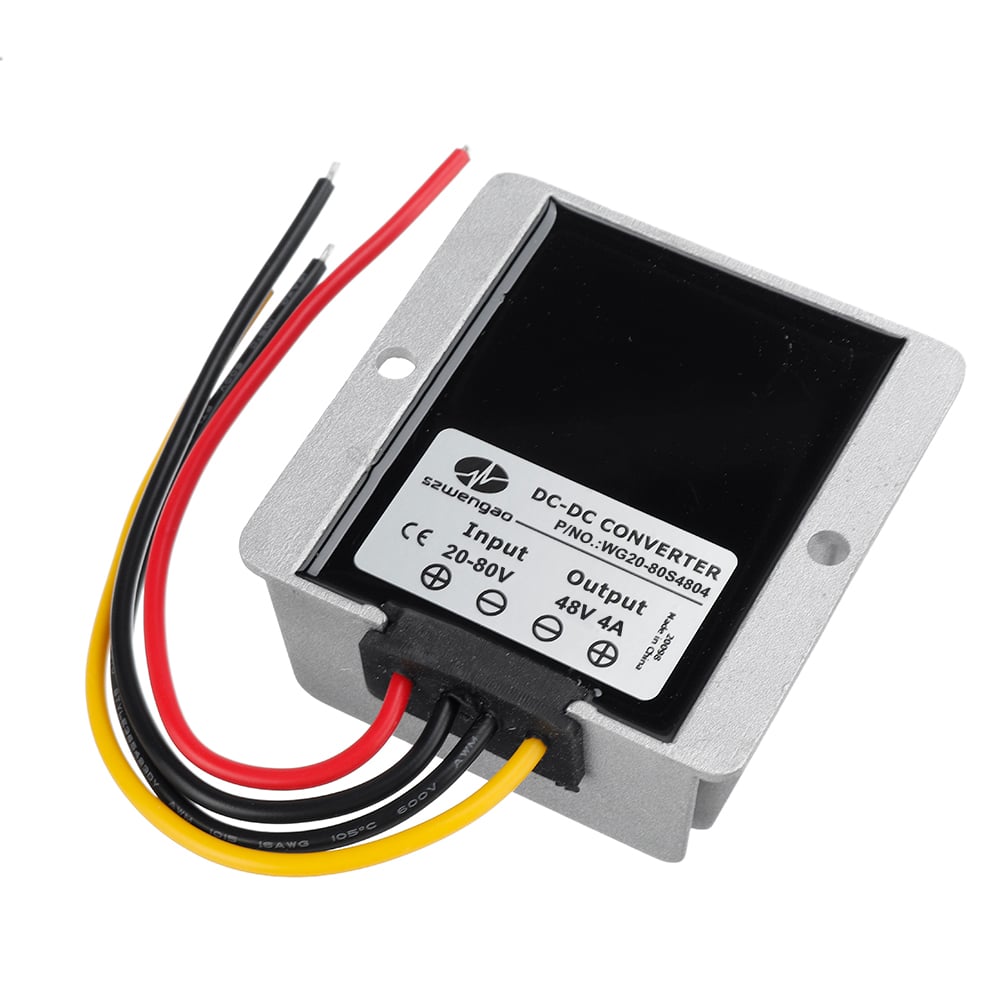
20-80V to 48V 4A Converter for Solar/Telecom Systems
This versatile converter, capable of transforming 20-80V into 48V with a steady 4A output, is designed for efficient energy use within solar and telecommunications applications. Its high efficiency of up to 94.2% ensures minimal energy loss, which is crucial for sustainable practices. Additionally, features like short-circuit protection and a durable design make it resilient across various environments. Customers have praised its reliability, particularly for maintaining consistent voltage levels in telecommunications towers. You can find more technical details about this product here.
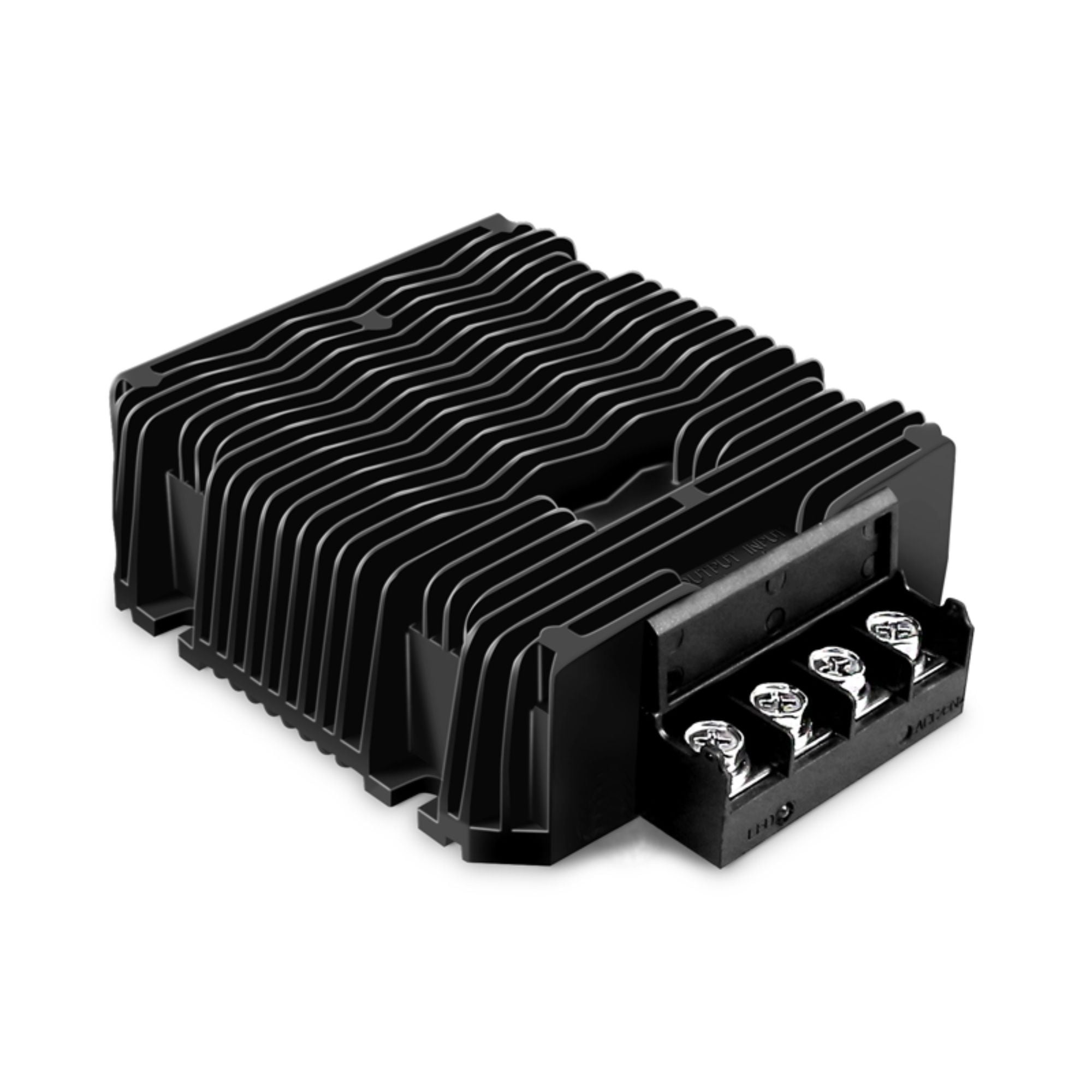
10-44V to 28V 30A Marine Power Regulator
Marine environments pose unique challenges that require robust power regulation solutions. The 10-44V to 28V 30A marine power regulator stands out due to its waterproof, dust-proof, and shockproof construction, providing durability against marine elements like corrosion. With high efficiency of up to 94.9%, this regulator offers full load burn-in testing and supports extreme temperatures, ensuring safety and reliability in maritime applications. Compliance with safety standards further underscores its suitability for marine use, with feedback highlighting its effective performance in powering marine vessels. For more information, click here.
10-50V 900W Bidirectional Battery Charger
In battery management systems, the 10-50V 900W bidirectional battery charger excels with its constant charge power and adaptability to AGM and LiFePO4 batteries. Its bidirectional technology allows flexible energy flow, crucial for renewable energy applications like solar and wind power. The charger boosts performance efficiency up to 96%, supporting severe weather environments. Compared to traditional charging methods, it offers superior protection and remote control operation, enhancing system management versatility. Experts in the field note its advanced technology supports prolonged battery life and efficient energy distribution. Learn more about its capabilities here.
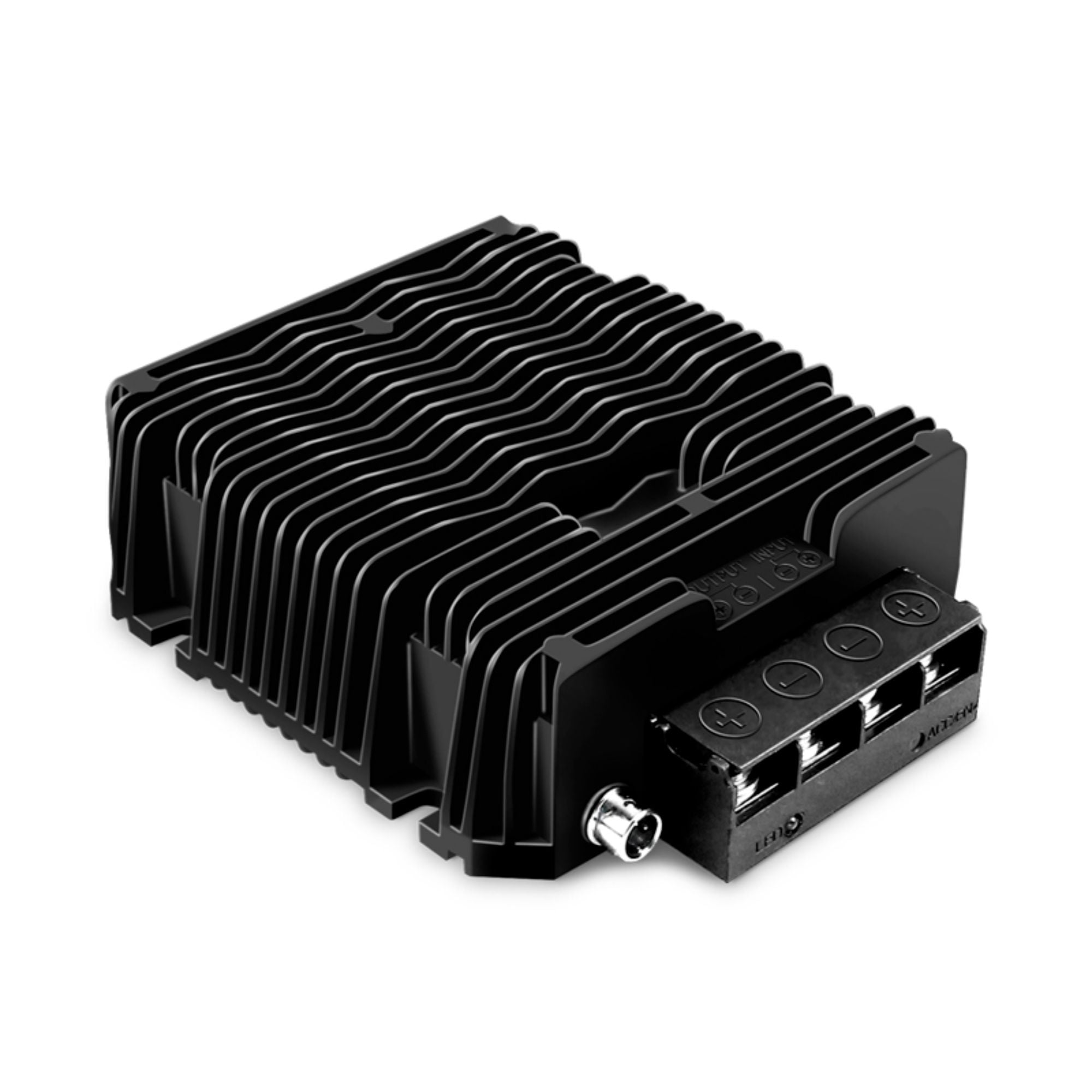
Optimizing Power Conversion Efficiency Metrics
Thermal Management in High-Current Scenarios
Thermal management is crucial for optimizing performance in high-current operations due to its impact on efficiency and reliability. Excessive heat can lead to inefficiencies and even failures in power conversion systems, necessitating effective thermal strategies. Techniques such as heat sinking, forced air cooling, and liquid cooling significantly enhance performance by maintaining optimal temperature levels. According to various technical documents, employing these methods can lead to improved converter lifespan and performance. Ensuring proper thermal management not only supports continuous operation but also contributes to the overall safety and efficiency of power systems in high-demand scenarios.
Voltage Regulation Accuracy Across Loads
Accurate voltage regulation is essential for maintaining system reliability and performance across varying loads. Consistent voltage levels ensure that all connected devices operate safely and effectively, preventing over-voltage conditions and possible damage. Techniques like closed-loop control and real-time monitoring help maintain regulation stability, despite fluctuating loads. Studies reveal that systems equipped with advanced buck converters demonstrate enhanced accuracy metrics, leading to more reliable and efficient operations. Employing such techniques can significantly bolster system resilience and optimize power delivery.
Minimizing Energy Loss Through Smart Topology
Minimizing energy loss is a key objective in DC-DC conversion processes, and smart topologies play an invaluable role in achieving this. Different converter topologies, such as buck-boost and synchronous rectification, help reduce energy waste and maximize efficiency. Innovations in topology design, like the use of advanced semiconductor materials, have resulted in better performance metrics, enabling more effective power management. Expert reviews and data indicate that adopting cutting-edge topologies leads to tangible benefits, such as reduced heat generation and improved conversion efficiency, thereby optimizing energy utilization in complex systems.
Recommended Products
Hot News
-
Application Advantages of Non-Isolated BUCK Converters Compared to Isolated Step-Down Converters
2024-01-23
-
DC-DC Converters Showcase Remarkable Advantages in Outdoor Off-Grid Applications
2024-01-23
-
DC to DC Battery Charger - Wide input and Noise immunity for dual battery system applications
2024-01-19