 EN
EN
 AR
AR
 BG
BG
 HR
HR
 CS
CS
 DA
DA
 NL
NL
 FI
FI
 FR
FR
 DE
DE
 EL
EL
 HI
HI
 IT
IT
 JA
JA
 KO
KO
 NO
NO
 PL
PL
 PT
PT
 RO
RO
 RU
RU
 ES
ES
 SV
SV
 CA
CA
 TL
TL
 IW
IW
 ID
ID
 SR
SR
 SK
SK
 UK
UK
 VI
VI
 HU
HU
 TH
TH
 TR
TR
 FA
FA
 AF
AF
 MS
MS
 GA
GA
 HY
HY
 BN
BN
 MN
MN

Comprehensive Guide to DC-DC Battery Chargers for Optimal Performance
Understanding DC-DC Battery Chargers and Their Functionality
DC-DC battery chargers play a pivotal role in power management systems by converting direct current (DC) voltages from one level to another, thereby optimizing energy efficiency across various applications. This voltage conversion capability makes these chargers essential in diverse settings, from small consumer electronics to large-scale industrial equipment. By adapting voltage levels, they ensure that devices receive the correct power supply needed for optimal operation.
The functionality of DC-DC battery chargers is often multifaceted, integrating several features. These may include voltage regulation, which stabilizes output despite fluctuations in input voltage, and current limiting, which prevents overloading of the circuit. Additionally, some advanced models offer smart charging capabilities, which adapt charging parameters based on the device requirements, prolonging battery life and enhancing overall efficiency. These features are crucial for maintaining device reliability and longevity.
Understanding the operation of DC-DC battery chargers is crucial for applications ranging from consumer gadgets to massive industrial machines. For instance, in sectors like telecommunications and electric vehicles, these chargers help in maintaining uninterrupted power supply and support specialized energy demands. Being familiar with their functionality helps businesses select the right models for specific applications, ensuring consistent performance and energy savings across their operations.
Key Features of High-Performance DC-DC Chargers
Input Voltage Range Flexibility
High-performance DC-DC chargers are designed to support a wide input voltage range, enhancing their adaptability to various power sources like solar panels and auxiliary batteries. This flexibility is crucial as it allows the chargers to accommodate fluctuations in input voltage without compromising the stability of the output. This ensures that even in varying environmental conditions, the charger delivers consistent performance, making it an ideal solution for diverse applications that demand reliable energy management.
Efficiency and Thermal Management
Advanced DC-DC chargers often exhibit efficiency ratings above 90%, significantly reducing energy loss and boosting the overall performance of power management systems. High efficiency not only enhances performance but also contributes to the sustainability of the system by conserving energy. Furthermore, proper thermal management solutions, such as heat sinks and advanced cooling features, help in maintaining safe operating temperatures. These features prevent overheating, which can lead to damage, thus ensuring the durability and reliability of the chargers in demanding conditions.
Protection Mechanisms and Durability
High-quality DC-DC chargers are equipped with robust protection mechanisms that safeguard against over-voltage, over-current, and over-temperature conditions. These protective features are essential for ensuring the long-term usability of the chargers by preventing potential damage from unexpected power surges or thermal stress. Additionally, the durable construction of these chargers, often featuring rugged enclosures, protects the units from harsh environmental factors and mechanical stress. This makes them particularly suitable for use in challenging and industrial settings, proving their reliability in ensuring seamless operation under extreme conditions.
How to Choose the Right DC-DC Converter for Your Application
Voltage and Current Requirements
When choosing a DC-DC converter, it's crucial to evaluate the voltage and current requirements of your application. This fundamental measurement serves as a baseline, guiding you to select a converter that fits the specific power needs of your project. Choosing a converter that can deliver adequate power levels is essential for ensuring efficient and safe operations, preventing overloads and underperformance.
Environmental Conditions and Certifications
Environmental conditions play a significant role in charger selection. Consider factors such as temperature range, humidity, and exposure to dust or moisture, each influencing the suitability of a charger in a given setting. It's also important to ensure that the converter has the necessary industry certifications like UL or CE to guarantee safety and compliance in specific environments.
Integration with Existing Systems
Assessing how the new charger will integrate with existing systems is another crucial step. You'll want to ensure compatibility with current components, as well as alignment with existing safety features. Additionally, evaluate the space constraints and installation requirements to confirm that the chosen DC-DC converter can be easily accommodated within the physical layout of your system.
Top Applications for DC-DC Battery Chargers in Modern Systems
Industrial Vehicles and Forklifts
DC-DC battery chargers are essential components in industrial vehicles such as forklifts. These chargers convert battery voltages to levels suitable for varied operational needs, ensuring the vehicles function efficiently. Reliable DC-DC converters are crucial due to the frequent charging cycles these systems undergo; they help maintain peak operational efficiency and prevent costly downtime.
Learn more about our [DC-DC Converter for Industrial Vehicles](#).
Telecommunications and Renewable Energy
In the telecommunications sector, DC-DC chargers play an indispensable role by supplying stable power from battery banks or solar panels, optimizing energy efficiency. As renewable energy systems grow, these chargers are vital in ensuring smooth power delivery from variable energy sources like wind and solar, thus maximizing system performance and reliability.
Discover more about our [DC-DC Converter for Telecommunications](#).
Automotive and Marine Systems
DC-DC chargers are pivotal in automotive systems, where they facilitate charging processes from the vehicle's electrical system, hence ensuring the reliability and safety of the batteries. In marine environments, these chargers are indispensable for power management across navigation systems, lighting, and other vital onboard electronics, continuously supporting onboard operational efficiency and safety.
Check out more details on our [DC-DC Converter for Marine Systems](#).
Recommended DC-DC Chargers for Optimal Performance
DC 48V to 12V 30A Step-Down Converter for Heavy-Duty Use
The DC 48V to 12V 30A Step-Down Converter is engineered for rigorous industrial applications, effectively delivering 30A from a 48V source. This capability makes it an excellent choice for powering multiple devices simultaneously without compromising performance. Its robust design incorporates essential features like short-circuit protection and thermal management, ensuring maximum durability and reliability under heavy loads.
48V to 24V 20A Buck Module with Waterproof Design
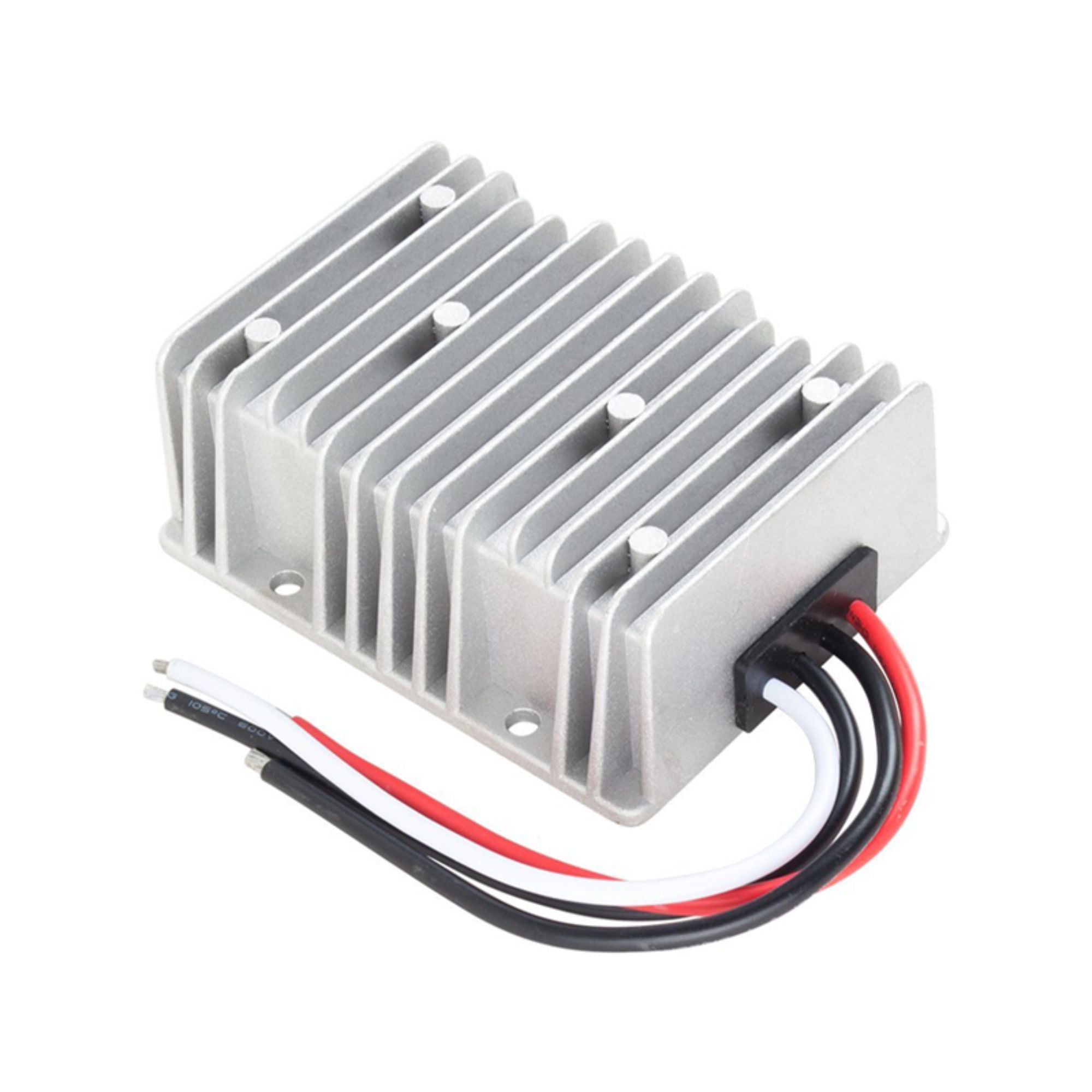
This 48V to 24V 20A Buck Module stands out with its waterproof design, making it particularly well-suited for outdoor applications. Capable of delivering up to 20A, it ensures reliable performance even under adverse weather conditions, which is crucial for solar applications and outdoor electrical systems. Its comprehensive protection mechanisms, including short-circuit and overload safeguards, make it a robust component for ensuring system stability.
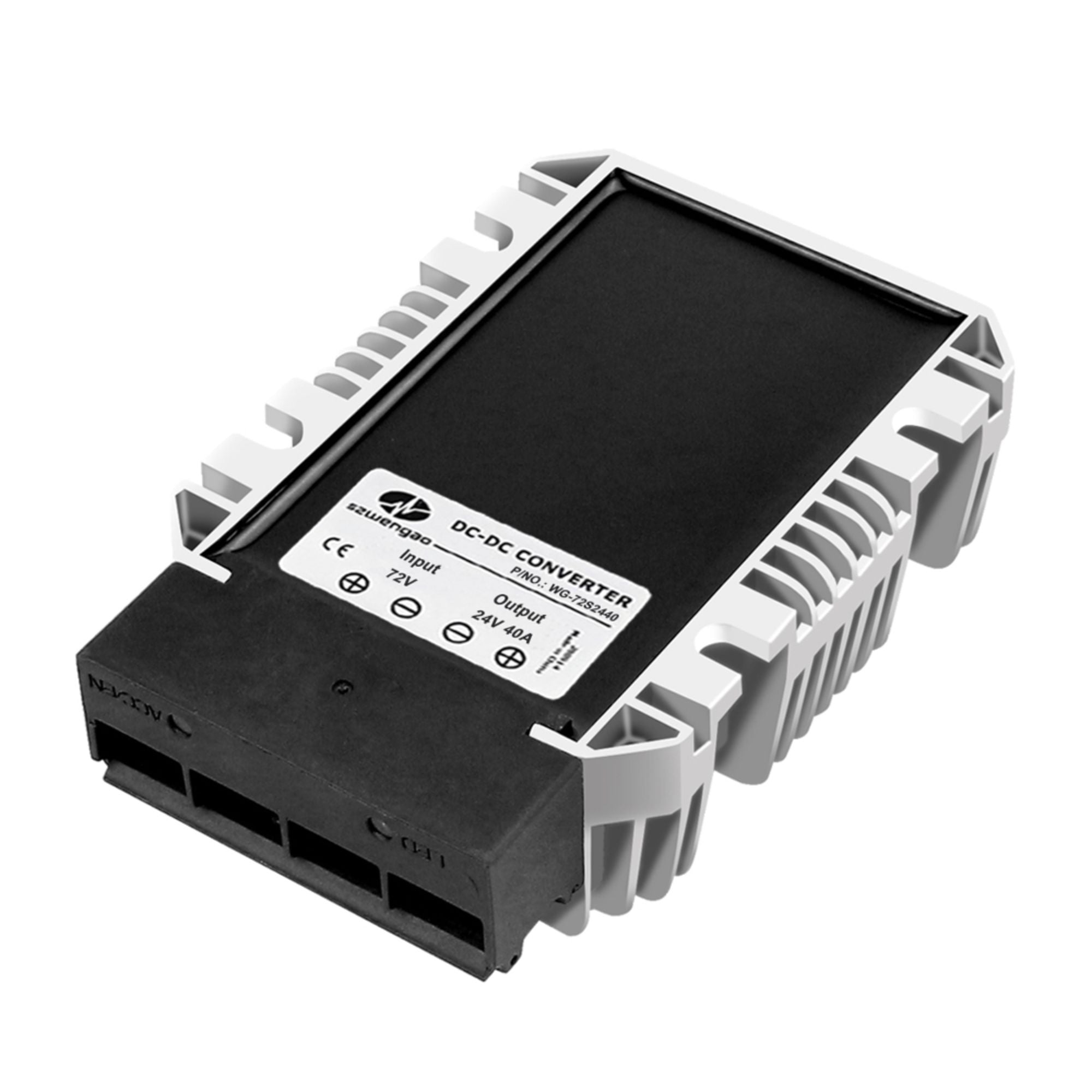
72V to 24V 40A High-Capacity Voltage Regulator
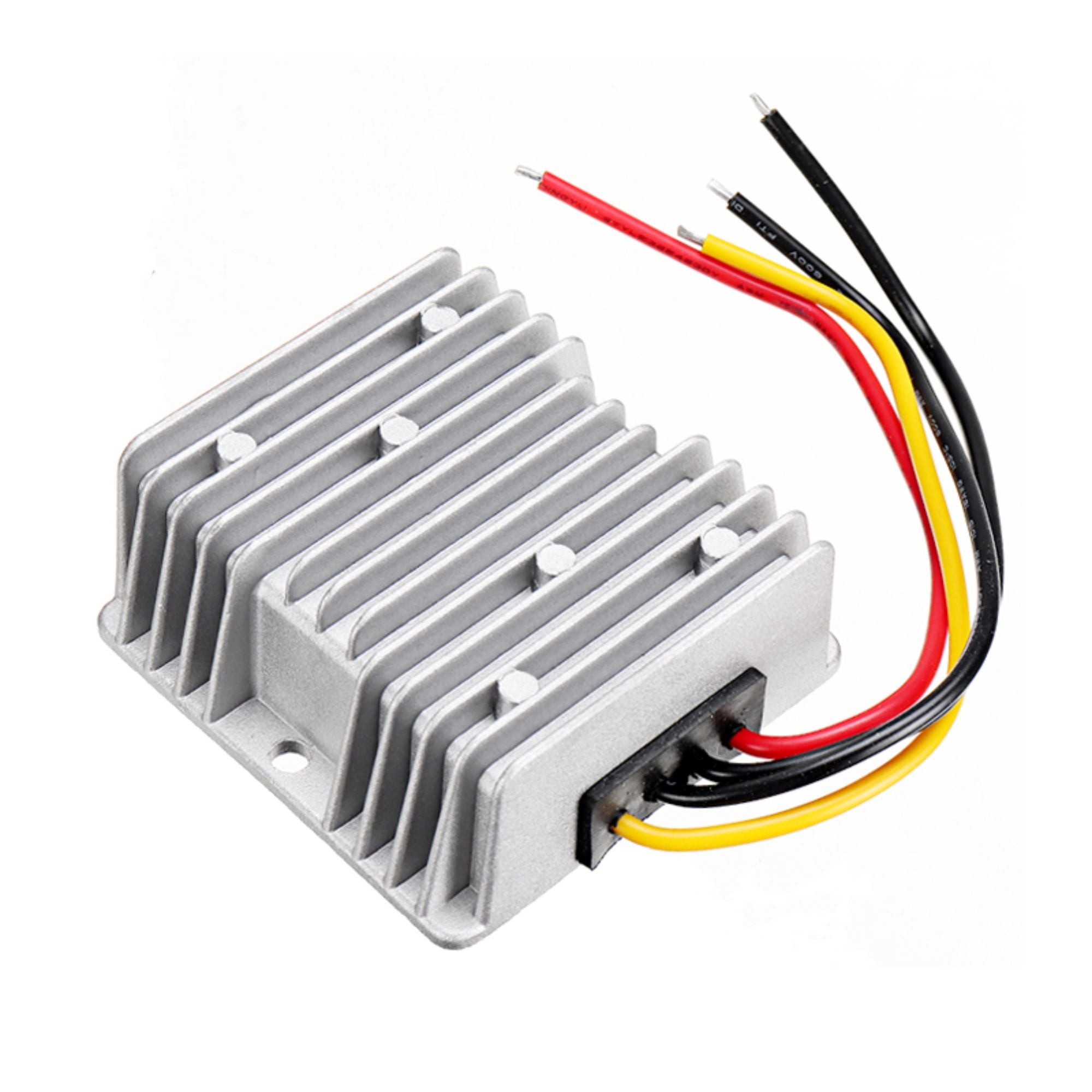
The 72V to 24V 40A High-Capacity Voltage Regulator is tailored for demanding applications requiring high power capacities, effectively stepping down from 72V while offering up to 40A. This makes it highly suitable for use in electric vehicles and heavy machinery. Its design includes built-in protection mechanisms to manage short circuits, overloads, and low voltage conditions, ensuring safe and stable operation across varying usage scenarios.
Recommended Products
Hot News
-
Application Advantages of Non-Isolated BUCK Converters Compared to Isolated Step-Down Converters
2024-01-23
-
DC-DC Converters Showcase Remarkable Advantages in Outdoor Off-Grid Applications
2024-01-23
-
DC to DC Battery Charger - Wide input and Noise immunity for dual battery system applications
2024-01-19