 EN
EN
 AR
AR
 BG
BG
 HR
HR
 CS
CS
 DA
DA
 NL
NL
 FI
FI
 FR
FR
 DE
DE
 EL
EL
 HI
HI
 IT
IT
 JA
JA
 KO
KO
 NO
NO
 PL
PL
 PT
PT
 RO
RO
 RU
RU
 ES
ES
 SV
SV
 CA
CA
 TL
TL
 IW
IW
 ID
ID
 SR
SR
 SK
SK
 UK
UK
 VI
VI
 HU
HU
 TH
TH
 TR
TR
 FA
FA
 AF
AF
 MS
MS
 GA
GA
 HY
HY
 BN
BN
 MN
MN

Ensuring Reliability with Waterproof Battery Chargers in Harsh Environments
The Critical Role of Waterproof Battery Chargers in Harsh Environments
Why Water Resistance Matters for Battery Chargers
Water resistance is a crucial feature for battery chargers, especially in environments exposed to moisture. Waterproofing prevents electrical failures and short circuits, which can be catastrophic in numerous applications. In fact, statistics reveal that over 25% of device failures in marine and industrial settings are linked to water-related damage, underscoring the necessity of robust water-resistant designs. Certifications like IP67 serve as benchmarks, ensuring that battery chargers can reliably perform under wet conditions. Adopting these standards not only guarantees product durability but also instills confidence among users who operate in challenging environments.
Challenges of Marine, Automotive & Industrial Applications
Navigating the complexities of marine, automotive, and industrial applications demands a battery charger that can withstand varied conditions. Marine environments are particularly harsh, with saltwater corrosion posing a significant threat. Therefore, incorporating robust waterproofing techniques is essential to protect and extend battery life. In automotive systems, the design must accommodate extreme temperature variations and ensure water resistance to maintain functionality. Industrial settings often deal with exposure to spills and contaminants, requiring battery chargers that are both moisture-proof and resilient against such challenges. By addressing these specific needs, manufacturers can deliver reliable solutions that consistently support vital operations across these demanding sectors.
Key Features of Reliable Waterproof Charging Systems
IP Ratings and Ruggedized Construction Standards
IP ratings, or Ingress Protection ratings, are crucial in determining a charger's ability to withstand dust and water penetration. These ratings range from IP00 to IP69, with higher numbers indicating superior protection. For environments demanding reliable performance, ratings like IP65 and IP68 are essential benchmarks. Alongside these ratings, ruggedized designs incorporate reinforced materials to resist mechanical shocks and vibrations, further ensuring durability. For instance, chargers used in high-impact industrial settings often require robust casings and reinforced structures to endure physical stress without compromising functionality.
Wide Voltage Compatibility (12V-48V Systems)
Reliability in diverse settings is enhanced by charger systems that accommodate a wide voltage range from 12V to 48V, significantly broadening their application scope. This compatibility not only makes them suitable for automotive and marine batteries but supports various industries seeking flexible solutions. Notably, the preference for multi-voltage systems is rising due to their versatility in rapidly evolving technological landscapes. Such chargers can seamlessly power different devices, reducing the need for multiple, specific units and showcasing adaptability as they cater to a wide array of battery types and voltages.
Thermal Management in Extreme Temperatures (-40°C to +70°C)
Effective thermal management is vital for chargers performing in extreme temperature ranges, from -40°C to +70°C. Such systems are equipped with technology that prevents overheating, which could otherwise lead to diminished performance or battery failure. Manufacturers employ advanced materials and engineering designs to ensure these chargers maintain optimal functionality in both scorching and freezing conditions. These innovations underscore a charger's reliability, being capable of sustaining operations in diverse environmental settings without loss of efficiency or safety risks.
Top Applications for Waterproof Battery Chargers
Marine Battery Maintenance Solutions
Marine battery maintenance systems are crucial for ensuring reliable operations amidst fluctuating sea conditions. These systems often employ waterproof chargers to maintain optimal performance regardless of harsh marine environments. The rising demand for efficient battery management solutions in recreational boats has surged due to increased environmental regulations, underscoring the need for dependable charging solutions. Regular maintenance via such systems not only prolongs battery life but also enhances safety during marine operations, ensuring that vessels are always powered and ready for challenging navigational circumstances.
Electric Vehicle Charging in Wet Conditions
As electric vehicles (EVs) gain popularity, the necessity for waterproof charging infrastructure has become paramount for usability and safety. Ensuring effective charging despite adverse weather conditions is the focus of many EV manufacturers, who are innovating to tackle this challenge. Recent statistics have highlighted that waterproof chargers are increasingly requested in urban areas known for heavy rain, emphasizing the growing concern over reliable charging solutions. By incorporating waterproof chargers, the industry aims to enhance user experience and guarantee seamless charging capabilities across diverse environmental conditions.
Industrial Equipment Power Management
In industrial settings, maintaining a constant power supply to machinery is crucial, often achieved through the use of waterproof chargers. These robust solutions minimize downtime during repairs by ensuring machinery operates smoothly even when exposed to dust, moisture, or extreme temperatures. Many industries rely on durable charging options, projecting that the integration of waterproof chargers into power management systems will significantly enhance overall operational efficiency. By adopting these systems, industries can expect improved reliability in power management and reduced operational disruptions, facilitating seamless production and service activities.
Product Spotlight: High-Performance Waterproof Charging Solutions
Marine 12V-48V 300W Multi-Battery Charger
The Marine 12V-48V 300W Multi-Battery Charger is crafted to efficiently manage various battery types, enhancing marine applications' charging processes. This device incorporates advanced waterproofing technology and a robust construction, delivering consistent performance even in demanding marine environments. Additionally, it utilizes smart charging algorithms to optimize battery health and extend longevity.
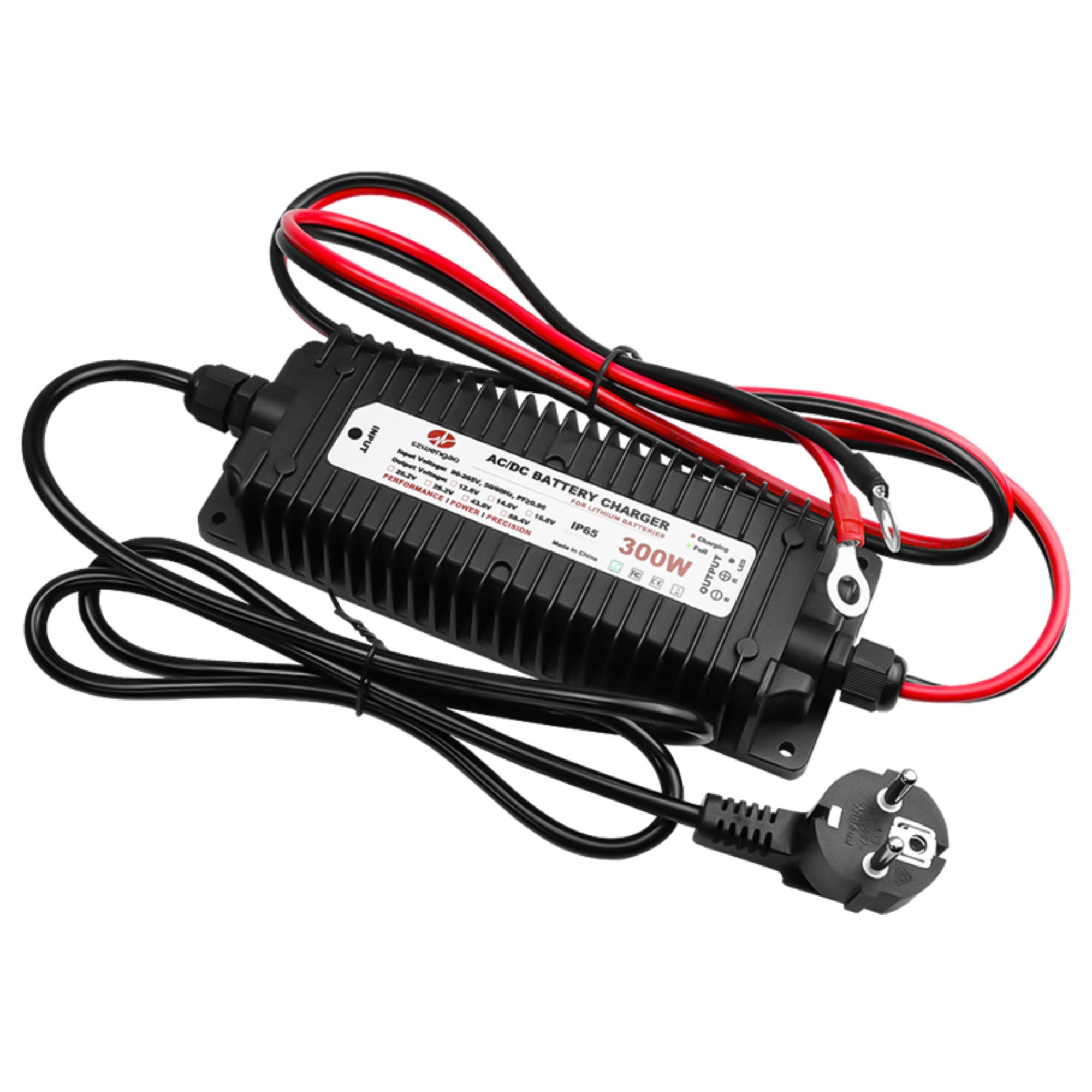
12V to 48V Automotive Voltage Boost Module
Ideal for automotive applications that demand superior performance in challenging weather, the 12V to 48V Automotive Voltage Boost Module excels in adjusting voltage levels for optimal charging across different battery setups. Its ability to endure exposure to water makes it a preferred option for automotive enthusiasts looking to maintain reliability and performance.
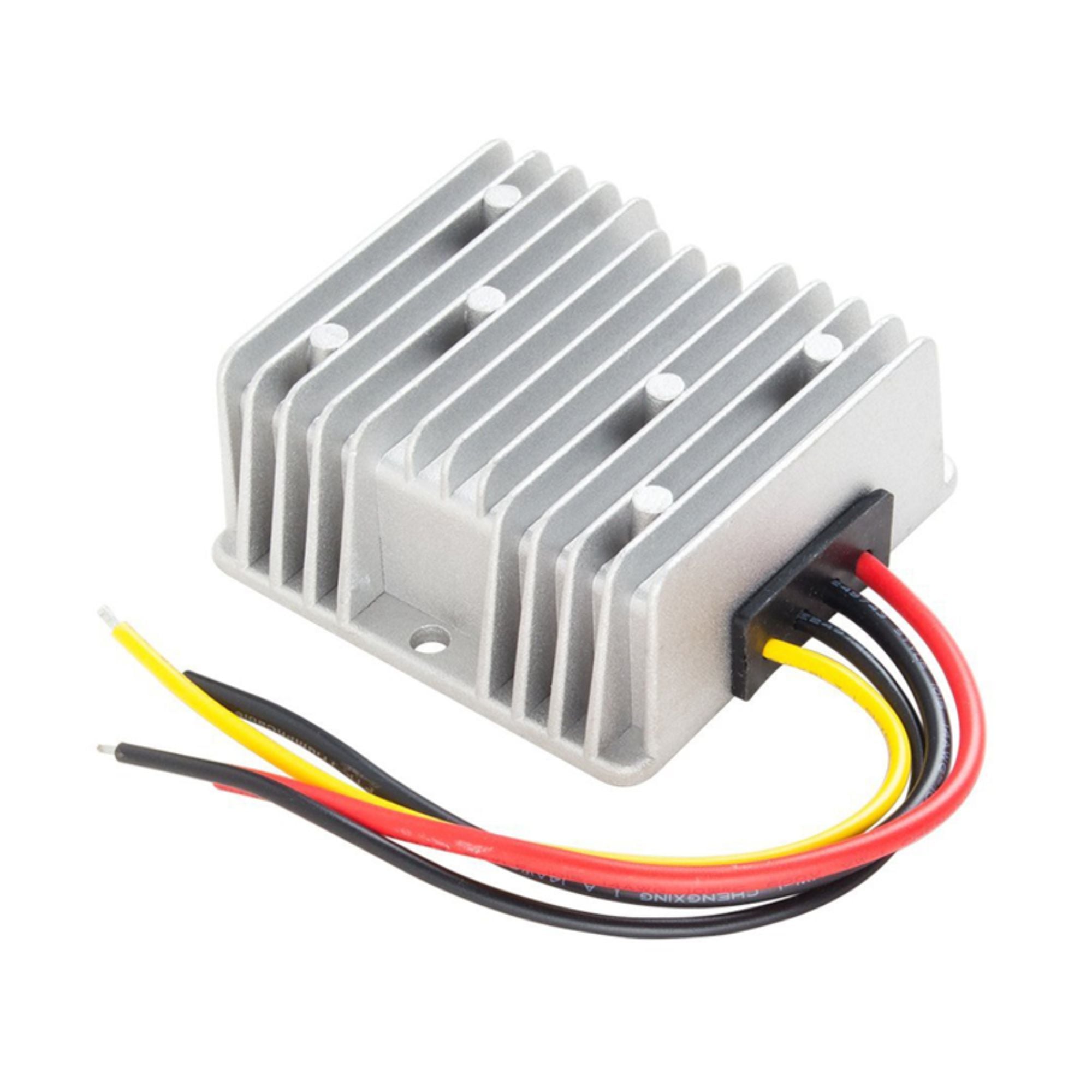
360W Heavy-Duty DC-DC Power Converter
The 360W Heavy-Duty DC-DC Power Converter is specifically designed for industrial applications requiring robust power conversion in diverse environments. It features a waterproof casing and is certified for high-performance tasks, thereby ensuring reliability in critical industrial scenarios. This converter supports an extensive range of applications, from power management to heavy machinery operations.
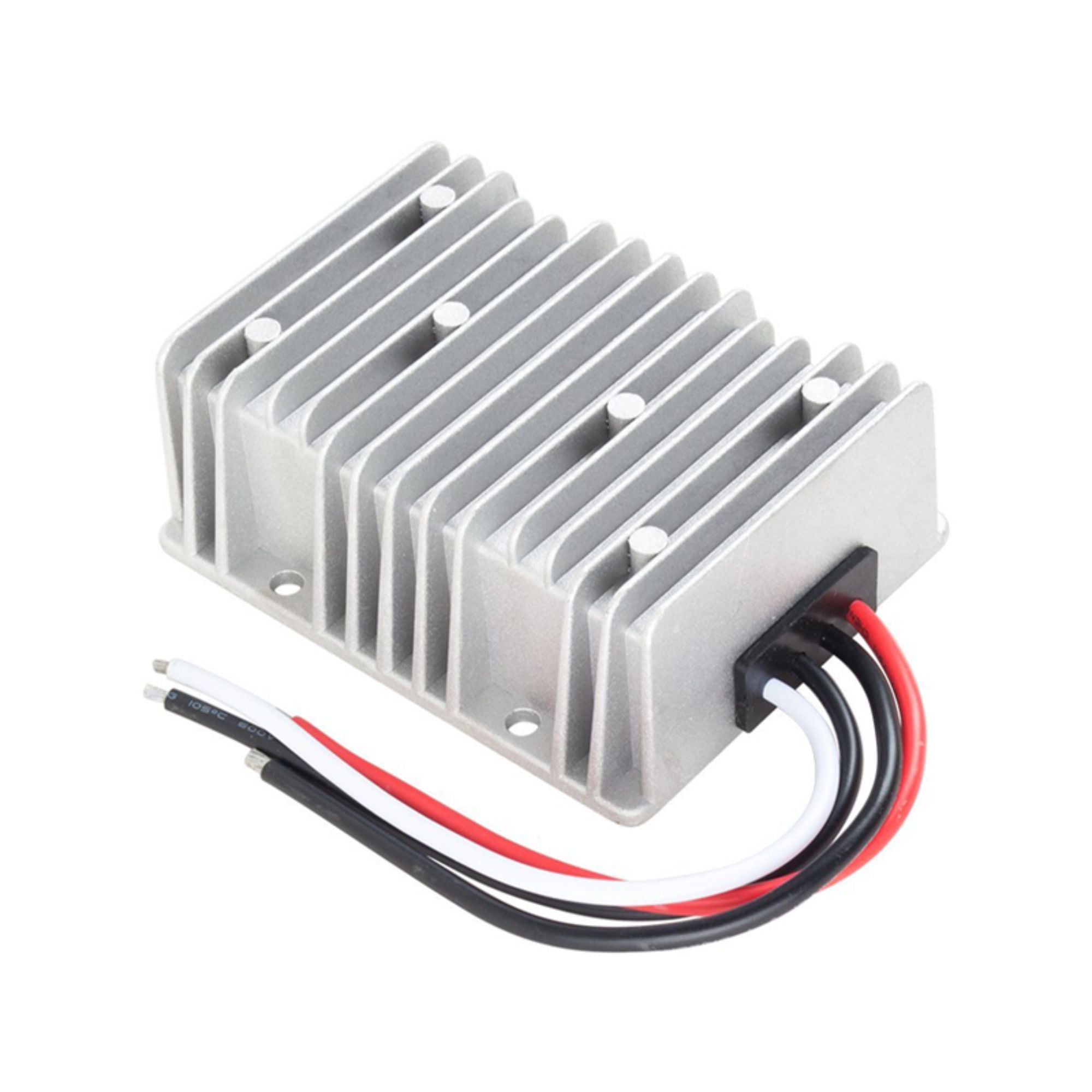
These high-performance waterproof charging solutions exemplify the dedication to quality and durability needed in today’s demanding power supply applications.
Ensuring Long-Term Reliability: Maintenance & Certification Considerations
Understanding CE/RoHS Compliance
CE and RoHS certifications are key to ensuring that products adhere to both safety and environmental standards. CE compliance guarantees that products are safe for use in the European Union, while RoHS certification restricts hazardous substances in electronic and electrical products. Meeting these standards is crucial for manufacturers as it helps avoid potential legal issues and increases product appeal in the market. Third-party testing agencies are instrumental in certifying these standards, providing a trusted validation that consumers rely on. By ensuring compliance, manufacturers demonstrate commitment to quality and global consumer safety.
Optimizing Charger Lifespan Through Proper Care
Proper care and regular inspections can significantly extend the lifespan of waterproof chargers. Users should familiarize themselves with the manufacturer’s recommendations for both optimal use and storage conditions. Regular maintenance not only enhances the performance of chargers but also prevents costly repairs or replacements, leading to long-term savings. By investing in proper care routines, users can ensure that their devices remain efficient and reliable for extended periods.
Interpreting Burn-In Testing & Warranty Coverage
Understanding the importance of burn-in testing and warranty coverage is vital for consumers looking to ensure product reliability. Burn-in testing helps identify early failures by simulating extended use before the product hits the market, ensuring long-term reliability. Additionally, understanding warranty terms allows consumers to make informed decisions about potential replacements. A robust warranty often reflects the manufacturer's confidence in their product's durability and performance. By interpreting these aspects, users can make wise purchasing decisions, knowing that their investment is protected against uncertainties.
Recommended Products
Hot News
-
Application Advantages of Non-Isolated BUCK Converters Compared to Isolated Step-Down Converters
2024-01-23
-
DC-DC Converters Showcase Remarkable Advantages in Outdoor Off-Grid Applications
2024-01-23
-
DC to DC Battery Charger - Wide input and Noise immunity for dual battery system applications
2024-01-19