
 EN
EN
 AR
AR
 BG
BG
 HR
HR
 CS
CS
 DA
DA
 NL
NL
 FI
FI
 FR
FR
 DE
DE
 EL
EL
 HI
HI
 IT
IT
 JA
JA
 KO
KO
 NO
NO
 PL
PL
 PT
PT
 RO
RO
 RU
RU
 ES
ES
 SV
SV
 CA
CA
 TL
TL
 IW
IW
 ID
ID
 SR
SR
 SK
SK
 UK
UK
 VI
VI
 HU
HU
 TH
TH
 TR
TR
 FA
FA
 AF
AF
 MS
MS
 GA
GA
 HY
HY
 BN
BN
 MN
MN

Tips for Troubleshooting Marine Battery Charger Issues
Power Basic Connections and Input Sources
The Marine Battery Charger issue most of the time is caused by loose or faulty power connections. Inspect the power cord and power plugs for any sign of damage such as being frayed or having bent pins. If it is worn out replacing the cord with a reputable replacement is a simple fix that will relieve a lot of hassle. After that, the connections that the charger has with the battery terminals must be checked. Terminals are prone to corrosion which will build and prevent any connection from being formed. With a wire, any rust or debris can be removed gently. The clamps themselves must be tightened to the positive and negative terminals.
You need to take into account the input voltage. Assuming it’s a Wengao marine battery charger, most of them take an AC input voltage of 90-265VAC. If the input voltage is lesser or more than this range, the charger is likely to not work properly or work at all. You can use a multimeter to see if the power outlet you’re using is in the acceptable range. If you’re using a charger in a boat or an RV, you need to ensure that the voltage from the onboard power system is not fluctuating. If the charger is configured to turn ON and OFF at a preset time, it may be due to the input power dropping. Low input power charger also delivers low voltage.
It is also warranted that to see if the charger is properly plugged into a functioning outlet. Sometimes it may be a tripped circuit breaker or in the power supply a blown fuse. Reset and replace the circuit breaker and the fuse if necessary, then try plugging the charger in again. If you’re using an extension cord, ensure that it is not undersized so that it meets the requirements of the charger. A low-quality extension cord can cause voltage drops.
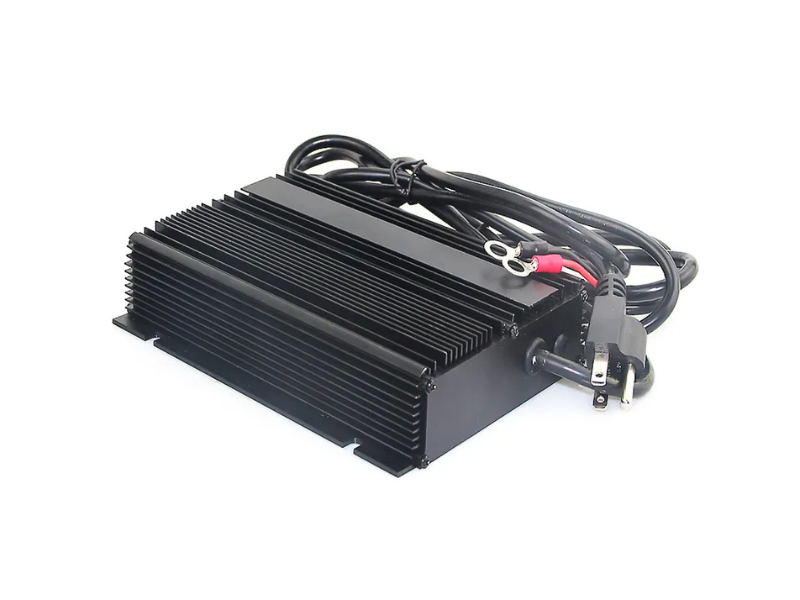
Solving Problems with Low Charging Efficiency
If the display range of the Marine Battery Charger shows it running while not charging the battery efficiently, it is high time you looked into certain issues. Have a close look at the battery you are trying to recharge. All types of Lithium batteries need to be charged using the special chargers made for them. A lithium battery like a LiFePO4 and LiMn2O4, will be left partially charged and seriously damaged if standard chargers meant for lead acid batteries are used. Wengao's C600S series chargers are made for lithium batteries and deliver the precise amount of power without overcharging.
Not setting the charger properly for the battery type creates another reason for low charging efficiency. Different lithium batteries require different voltages. For instance, a 12V LiFePO4 type battery needs a constant current (CC) value of 14.6V, whereas a 12V LiMn2O4 (3 series) type battery needs CC value of 12.6V. If the charger has not been calibrated for the battery pack properly, the pack will not recharge. Most modern marine battery chargers have what is called intelligent stage charging (CC/CV) technology which, during the charging process, automatically changes the current and voltage values. Still, it is a good idea to check that the charger is indeed set to the correct mode for the battery type.
Increased temperatures and humidity can negatively affect the charging capabilities of devices? You want to avoid overheating the equipment. Make sure the chargers operate in an environment that is both ventilated and shielded from sunlight and other sources of extreme heat. You want to check chargers that have built in cooling systems to see if the fan, if applicable, is operating. Fanless chargers can also overheat and should be checked. If a charger is extremely hot to the touch or shuts down rapidly, over heat is the likely cause. Partially covered devices should be allowed to cool to room temperature before further use. Attach chargers to the mains in an environment that permits air circulation to further mitigate the overheating effects of charging.
Water, salt, and humidity are harsh environmental elements that expose devices to potential malfunctions. Marine chargers or Wengao Marine battery chargers protect themselves from elements, and other potential damages, such as dust or falling and receiving direct hits. Devices with an IP65 rating can withstand low-pressure water jets, ensuring both functionality and protection from potential damages. Devices with higher waterproofing ratings will stand the test of time, due to the waterproof seal that withstands wear and tear.
Examine the edges of the charger casing for cracks or gaps where water may enter. Focus on the ports and plugs, as these are vulnerable to water ingress. If any waterproof seal damage is present, stop using the charger immediately to mitigate electric shorts. Reach out to the maker for a charge to fix or replace. In order to avoid damage in the future, charge the device as well as place it in a safe, dry compartment and being exposed to different environments for long periods of time.
The next repeatable chore is the cleaning and maintenance of a marine used battery charger in the charger for costal areas where salt water is. On a regular basis, charge the device having a piece of cloth with water and a desk cleaner to get rid of the salt water residue. Do not use rough chemicals or rough materials as these may damage the waterproof seal and casing of the charger. Make electrical connections of using the device in salt water. Dry the charger well in order to avoid any corrosion. If exream proctection is needed from salt water, apply a thin layer of corrosion resistant spray.
Solving Problems with Lithium Battery Compatibility
Unlike other batteries used in marine applications, lithium batteries are not only lighter, and long-lasting, but also versatile. However, lithium batteries need specific charging protocols, and using a compatible Marine Battery Charger can lead to a myriad of unsolved issues including battery charger failure. Therefore, it is critical to make sure the charger is meant to be used with the lithium battery. Compatibility issues with lithium batteries are common and range from using chargers with incomplete charging protocols to float charger stages.
Float Charger stages are often over used with lead-acid batteries, and don’t need a float charge after the battery is full. As a rule of thumb with lithium batteries, Float charge does the opposite, and actually ends up damaging lithium batteries over time. High quality futuristic lithium battery chargers from Wengao makes sure the float charging stage is completely avoided after the battery is full charge. They do so by charging the battery with only 10% of the silicate lithium charge safely. If the charger is highly programmable, but has float charge, chances are it ignores lithium protocols and is unsuitable for lithium batteries.
As we touched before, one other compatibility issue is incorrect voltage settings, which differs with different lithium battery chemistries. Using a charger with incorrect voltage settings will invariably lead to overcharging or undercharging. For instance, a charger pegged to 12.6V will never completely charge a LiFePO4 battery which requires 14.6V. Always refer to a manufacturer guide to check if a charger’s voltage and current settings are compatible before using a charger on lithium batteries. If you have any doubts, reach out to the charger manufacturer for support.
Also, be aware that some older marine battery chargers do not charge lithium batteries. These chargers do not have the required circuitry to modulate the current and voltage during the charge for lithium chemistries. If you are coming from lead-acid battery, most probably, you will have to buy a lithium specific charger. A compatible charger will not only charge your battery, but will also increase the battery’s efficiency and lifespan.
Recommended Products
Hot News
-
Application Advantages of Non-Isolated BUCK Converters Compared to Isolated Step-Down Converters
2024-01-23
-
DC-DC Converters Showcase Remarkable Advantages in Outdoor Off-Grid Applications
2024-01-23
-
DC to DC Battery Charger - Wide input and Noise immunity for dual battery system applications
2024-01-19