 EN
EN
 AR
AR
 BG
BG
 HR
HR
 CS
CS
 DA
DA
 NL
NL
 FI
FI
 FR
FR
 DE
DE
 EL
EL
 HI
HI
 IT
IT
 JA
JA
 KO
KO
 NO
NO
 PL
PL
 PT
PT
 RO
RO
 RU
RU
 ES
ES
 SV
SV
 CA
CA
 TL
TL
 IW
IW
 ID
ID
 SR
SR
 SK
SK
 UK
UK
 VI
VI
 HU
HU
 TH
TH
 TR
TR
 FA
FA
 AF
AF
 MS
MS
 GA
GA
 HY
HY
 BN
BN
 MN
MN

How Does a Bidirectional Charger Work in Solar Systems?
Have you ever considered how the sun's rays are transformed into energy in the homes? Did you know that in the future, electric vehicles can even provide power to the houses during power failures? The answer can be found in the marvel of technology known as the bidirectional charger.
These types of devices are used as photovoltaic devices that, unlike conventional power adapters, accept energy from devices as well as provide energy to them. Through this technology, solar power can be efficiently managed. Let us understand how solar bidirectional chargers work and why they are important in the world today.
Understanding The Functions of Solar Bidirectional Chargers
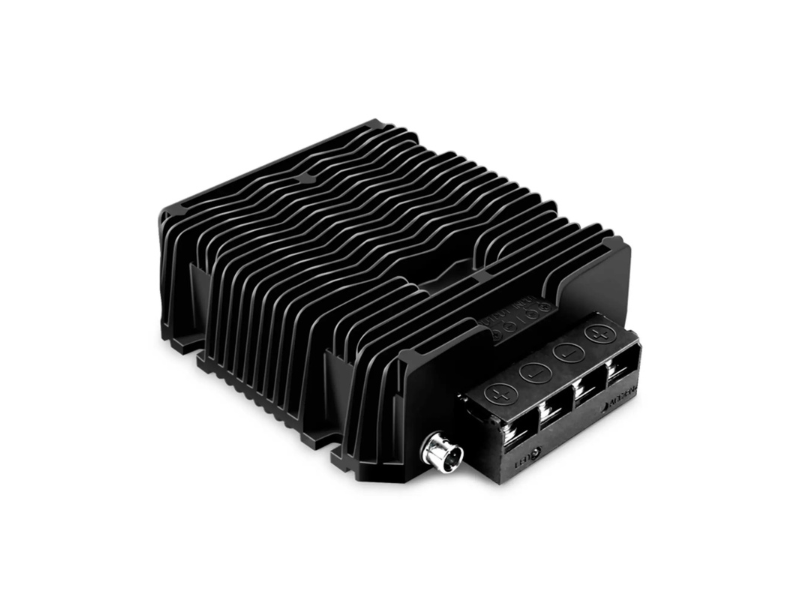
A bidirectional charger, in its simplest form, can be defined as an advanced solar charger can streamline energy flow and convert it to DC power in two given directions. For a better understanding, picture a power system with multiple power supply inputs and outputs, from which excess solar power can be stored in batteries. When the solar production declines, this type of photovoltaic charger will effortlessly supply homes with the stored energy batteries providing normal power functions.
This two-way capability sets bidirectional chargers apart from conventional chargers, which only move energy in one direction. Traditional solar systems tend to waste surplus energy when the batteries are full, however, in bidirectional flow, solar energy can be utilized fully, either stored for later use, or consumed immediately. The fundamental concept is managing the conversion of energy from one form to another, and the subsequent allocation of said energy according to preemptively set criteria or in real-time.
With solar systems, chargers act as the interface between solar panels, batteries, and the electrical grid of the house. They are strategically placed to analyze the energy inflow and outflow as well as stored energy to make optimal decisions regarding the allocation of power. This decisive energy flow increases the performance and effectiveness of solar power grid systems while relaxing their dependency on primary energy sources.
The Role of Bidirectional Chargers in Solar Energy Systems
Bidirectional chargers perform multiple important functions in solar energy systems. Their primary duty is to make sure no solar energy is wasted and that reliable backup power is provided when the sun is not shining.
Excess solar energy in home solar systems that is not used to operate appliances have to go somewhere. In the absence of a bidirectional system, the solar energy is either sent back to the grid (assuming there are no regulations against this) or simply wasted. However, a bidirectional charger can intelligently allocate that excess energy to charge batteries for future utilization. This means that solar energy collected during the day can be used to power the home at night, thus improving energy self-sufficiency.
Another important function is load shifting during peak periods. Bidirectional chargers allow homeowners to utilize stored solar energy during peak demand periods when the cost of electricity is highest. This not only saves money but also lessens the load on the entire power grid. The system has the ability to monitor when power should be drawn from batteries instead of the grid, thus maximizing efficiency and minimizing cost.
Most importantly, bidirectional chargers provide backup power during outages. With power banks and battery storage, when there is a grid failure, a solar system is capable of performing critical home functions. This creates resilience and energy security that is unmatched by traditional solar systems or power grid systems. The charger automatically disconnects from the grid and creates a microgrid using solar and battery storage to energize your home.
How Bidirectional Chargers Work Their Magic
The technical operation of bidirectional chargers comprises a number of sophisticated processes and technologies that enable the management of energy in both directions. Understanding these processes is crucial to understanding the impact of this technology on solar energy systems.
The first key process is the conversion of alternating current (AC) to direct current (DC) and vice-versa. While most homes run on alternating current (AC), solar panels generate direct current (DC) electricity. A bidirectional system is able to convert various forms of energy bidirectionally and in the most efficient manner possible.The next part is integrating control mechanisms. Bidirectional chargers are not self-contained, isolated units. Instead, they're part of more complex energy management systems that monitor dozens of variables dynamically. One system can track solar production, household power consumption, battery state of charge, and external factors such a time-based electricity pricing. The system uses this data to make complex calculations and storage energy and energy retrieval.
The next part is power electronics and switching. Silicon carbide (SiC) power modules are the advanced components that make possible the high-efficiency power conversion that bidirectional charging requires. These components and systems can change power flow directions in milliseconds to adapt to different energy conditions, shifting seamlessly and dynamically. None of this switching occurs with any loss of power to the home.
The last part, focus on voltage regulation and optimization. The charger actively manages efficient interfacing of all the different components of the system with optimal voltage levels. The charger uses maximum power point tracking (MPPT) to boost solar energy harvested via solar panels and employs multi-stage charging to enhance battery cycle life. This regulated control prolongs the self-life of the batteries and the charger.
Optimistic Approach To The Issue
In addition to home energy storage, bidirectional chargers in solar systems can also be applied in different settings.
The value of integrating electric vehicles remains one the most interesting recent developments. In the world solar energy powered homes, bidirectional charging electric vehicles are able to charge during the day, then discharge to the home in the evening solar powered. This vehicle to grid technology shifts the paradigm of transportation and energy storage. Electronically powered vehicles would now function as batteries that assist home and the grid during periods of high energy demand, instead of passively drawing energy.
Off grid and reserve power systems represent another interesting use case. Bidirectional chargers associated with solar power systems for boats, RVs, or remote cabins that are not connected to the electricity grid provide unique value. These systems can meld solar panels, generators, and even wind turbines with batteries in an intelligent manner. The bidirectional charger captures excess energy and devises systems for deploying that energy to the most critical needs.
Bidirectional chargers become instruments for more advanced configurations of energy storage systems. For example, they should be able to control the energy flow for different battery systems, such as connecting lead-acid starter batteries and lithium auxiliary batteries on board (in, say, an RV or boat). Each of the battery types has a different performance profile and a unique set of charging characteristics, and a bidirectional charger is able to optimize the process for each case, while still ensuring that energy can flow to and from each of them as needed.
The technology allows also for more extensive efforts at stabilizing the grid. Projects by organizations such as CSIRO illustrate how bidirectional chargers can help address the intermittency of solar power. This, in turn, helps grid operators managing a system with a high share of renewables. When several bidirectional solar systems are connected to the grid, they work in unison to act as a dispersed storage system to absorb a surplus of renewables during the peak and discharge during the peak demand periods.
Bidirectional chargers reduce the amount of solar energy that is wasted, and for energy infrastructure, having the capability to charge and discharge energy at multiple points can improve resilience to disturbances. They are practical from the level of single households all the way to the entire grid. As the technology keeps evolving, more and more elusive ways of utilizing photovoltaic systems will come to the fore.
Recommended Products
Hot News
-
Application Advantages of Non-Isolated BUCK Converters Compared to Isolated Step-Down Converters
2024-01-23
-
DC-DC Converters Showcase Remarkable Advantages in Outdoor Off-Grid Applications
2024-01-23
-
DC to DC Battery Charger - Wide input and Noise immunity for dual battery system applications
2024-01-19