 EN
EN
 AR
AR
 BG
BG
 HR
HR
 CS
CS
 DA
DA
 NL
NL
 FI
FI
 FR
FR
 DE
DE
 EL
EL
 HI
HI
 IT
IT
 JA
JA
 KO
KO
 NO
NO
 PL
PL
 PT
PT
 RO
RO
 RU
RU
 ES
ES
 SV
SV
 CA
CA
 TL
TL
 IW
IW
 ID
ID
 SR
SR
 SK
SK
 UK
UK
 VI
VI
 HU
HU
 TH
TH
 TR
TR
 FA
FA
 AF
AF
 MS
MS
 GA
GA
 HY
HY
 BN
BN
 MN
MN

Boost Converters: Powering High-Voltage Devices from Low-Voltage Sources
Understanding DC DC Boost Converters and Their Operation
How Boost Converters Work: Basic Principles Explained
A DC DC boost converter is essentially a device designed to increase the voltage from a lower level to a higher output level using electrical energy. It plays a crucial role in modern electronics, particularly in applications ranging from portable devices to renewable energy systems. The fundamental operation of boost converters relies on the principle of inductive energy storage and release. Energy is initially stored in an inductor when a switch, typically a transistor, is turned on. The switch alternates between conducting and non-conducting states, allowing the inductor to charge and store energy as a magnetic field. Once the switch turns off, the energy stored in the inductor is transferred to capacitors, effectively raising the voltage to the desired level.
The switching components, such as transistors, play a pivotal role by manipulating input and output voltage levels. By switching between on and off states, these components ensure efficient energy transfer, which minimizes losses and enhances reliability. Boost converters have demonstrated significant operational advantages in various studies. For instance, credible manufacturers often highlight efficiency rates exceeding 90% in their systems, making boost converters indispensable in both consumer electronics and industrial applications.
Comparing Step-Up Converters vs. Buck Boost Modules
Step-up converters are engineered primarily to increase the voltage, making them ideal for applications where a higher voltage is required from a lower input. Common scenarios include powering battery-operated devices where the battery’s voltage needs to be boosted to match device specifications. In contrast, buck-boost converters offer versatility by either increasing or decreasing the voltage based on the circuit's needs. This adaptability is crucial in systems requiring variable voltage levels, such as in automotive systems and other sophisticated electronic circuitry.
Several applications demonstrate the specific use cases of these converters. Step-up converters are often utilized in portable electronics, allowing devices to function efficiently even as battery levels fluctuate. On the other hand, buck boost modules excel in environments demanding voltage flexibility, for instance, in solar energy systems where voltage levels must be adapted according to environmental conditions. Market research emphasizes the reliable performance of both types, with industrial applications showcasing their efficacy through improved device longevity and reduced energy consumption.
Essential Applications of Step-Up Voltage Converters
Powering LED Lighting Systems with DC to DC Step-Up Converters
The rise of LED technology in both residential and commercial lighting demands a reliable method to convert available lower voltage levels, like those from batteries, to the higher levels required by LEDs. This is where DC to DC step-up converters prove their value. By efficiently boosting lower voltages, these converters ensure optimal performance of LEDs without sacrificing energy efficiency. For instance, they help maintain the brighter and longer-lasting illumination characteristics of LEDs that are making them the preferred choice over traditional lighting. It's noteworthy that the widespread adoption of LEDs has been accelerating. According to industry reports, there's a significant increase in LED market penetration, driven by the need for such efficient voltage regulation, highlighting the role of step-up converters in meeting this demand.
Voltage Regulation in Automotive Electronics
With the growing complexity of electronic systems within vehicles, ensuring robust voltage regulation has become crucial to maintaining electronic functionality and safety. Step-up converters play a significant role in automotive electronics, particularly in powering infotainment systems and managing the power distribution in electric vehicles (EVs). Take electric vehicles, for example; they require highly efficient voltage regulation to ensure all subsystems operate seamlessly without draining the battery unnecessarily. Automotive industry reports have underscored the enhanced reliability and performance metrics associated with utilizing these converters. By maintaining a stable voltage supply, step-up converters significantly contribute to extending vehicle system lifecycles while enhancing overall performance.
Renewable Energy Systems Using Boost Converters
Boost converters play an indispensable role in renewable energy systems, especially in solar power configurations. They increase the voltage output from solar panels to levels necessary for effective grid integration. This step-up in voltage facilitates the efficient transmission and use of solar energy, maximizing the system's potential. Similarly, in wind energy systems, boost converters are utilized to optimize energy capture and utilization, proving their versatility in different renewable applications. Statistical projections from the renewable energy sector reveal that boost converters are crucial for an increase in overall energy efficiency, as they help stabilize and augment the output from inherently variable renewable sources, paving the way for a more stable electricity supply from such green sources.
Key Design Considerations for Efficient Voltage Regulation
Input/Output Voltage Ranges in DC DC Converters
When designing DC to DC converters, it is crucial to understand input and output voltage specifications. Selecting converters that precisely match the system requirements is essential for ensuring peak performance. Mismatched voltage ranges can lead to inefficiencies or, worse, component failure. The implications of these voltage ranges are vast, directly affecting performance efficiency and the choice of components. For instance, improper voltage matching might lead to components overheating or failing prematurely. According to technical guidelines, maintaining proper voltage range alignment is critical to avoid such issues.
Thermal Management in High-Current Applications
Effective thermal management is indispensable in high-current applications to prevent overheating and ensure consistent, reliable operation. It's crucial to adopt appropriate strategies to handle the thermal output of boost converters. Techniques such as proper heat sinking and utilizing thermal interface materials can mitigate the risks linked to excessive heat. Electronics associations provide design standards that outline the best practices for thermal management. These guidelines emphasize the necessity of such practices to maintain device integrity and extend component lifespan in demanding environments.
Protection Circuits for Reliable Operation
Protection circuits play an essential role in safeguarding converters from faults, overvoltage, and short circuits. These circuits, which include mechanisms like overcurrent protection and thermal shutdown features, are vital for ensuring reliable operation. The presence of protection circuits drastically enhances system robustness, aiding in the prevention of catastrophic failures. Industry standards and practices highlight the importance of these circuits, underscoring their capacity to bolster the reliability of voltage regulator modules and other components.
In summary, steps like ensuring correct voltage matches, adopting proficient thermal management techniques, and integrating comprehensive protection circuits are pivotal for designing reliable and efficient DC DC converters.
Industrial-Grade DC DC Converters and Voltage Regulation Modules
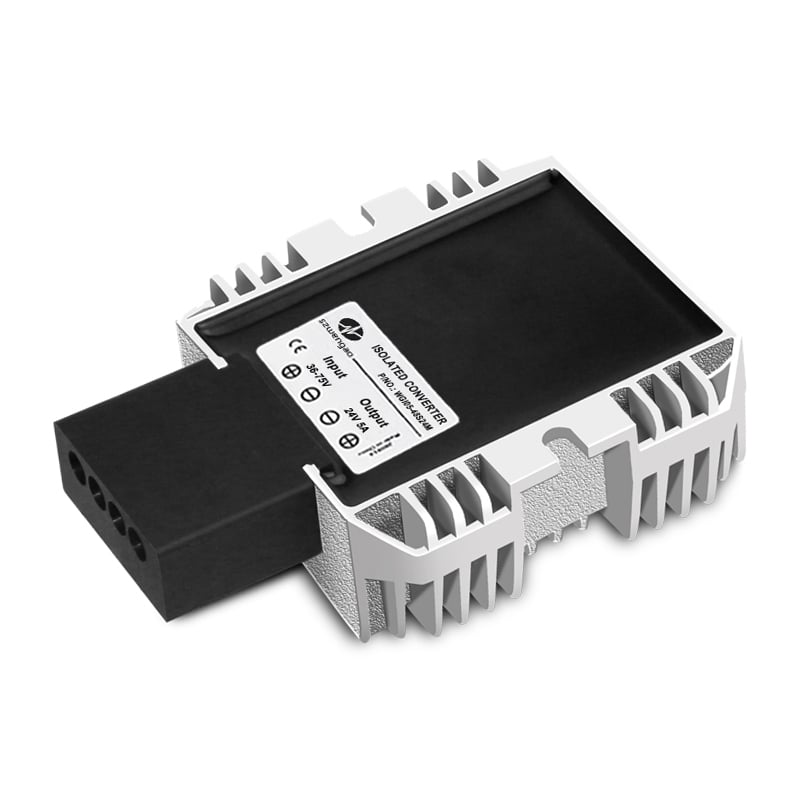
Waterproof 36-75V 48V to 24V Isolated DC DC Converters 120W Step Down Voltage Regulator for Industrial Control
Waterproof DC DC converters are indispensable in industrial settings due to their durability and reliability under harsh conditions. These converters are designed to withstand challenging environments, ensuring consistent performance and protection against moisture, dust, and shock. With a wide input voltage range of 36-75V, they efficiently transform energy for automation and control systems, delivering stable outputs at up to 24V with high efficiency (91%). Market data indicates a growing demand for such robust converters in industries where environmental elements pose significant risks, showcasing their critical role in supporting seamless operations.
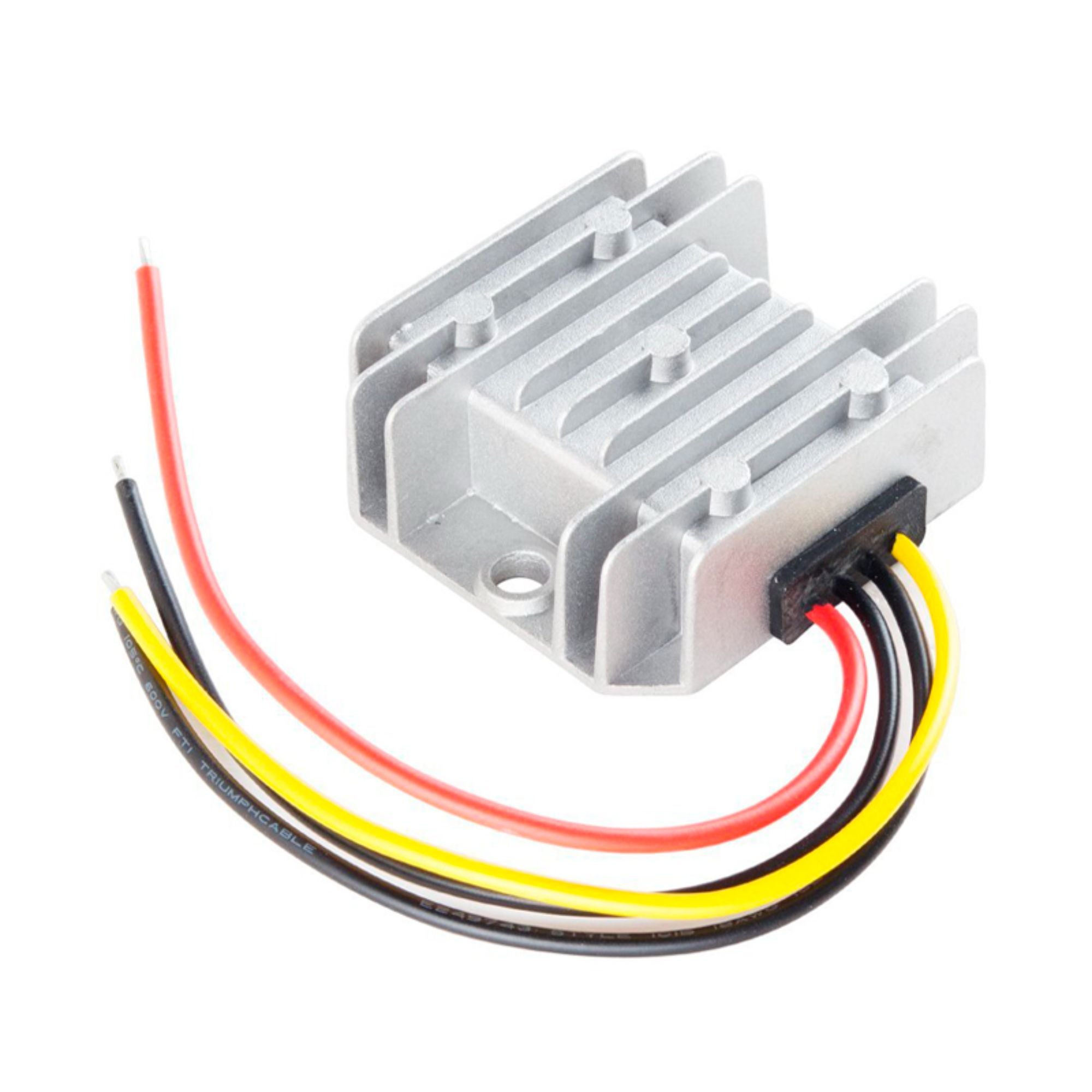
Small Volume Boost Converter 12V DC to 48V DC 1A 2A Step Up Converters 12 Volt to 48 Volt Power Supply
The compact design of small volume boost converters makes them essential for applications where space is limited, such as in portable devices and embedded systems. These converters offer remarkable efficiency, stepping up voltage from 12V to 48V with high efficiency ratings (94%), supporting demanding power needs without sacrificing size. Testimonials from users highlight their successful integration in projects requiring scalable solutions, demonstrating their versatility and reliability. These converters are celebrated for their ability to seamlessly fit into tight spaces while maintaining superior performance, proving indispensable in various technological advancements.
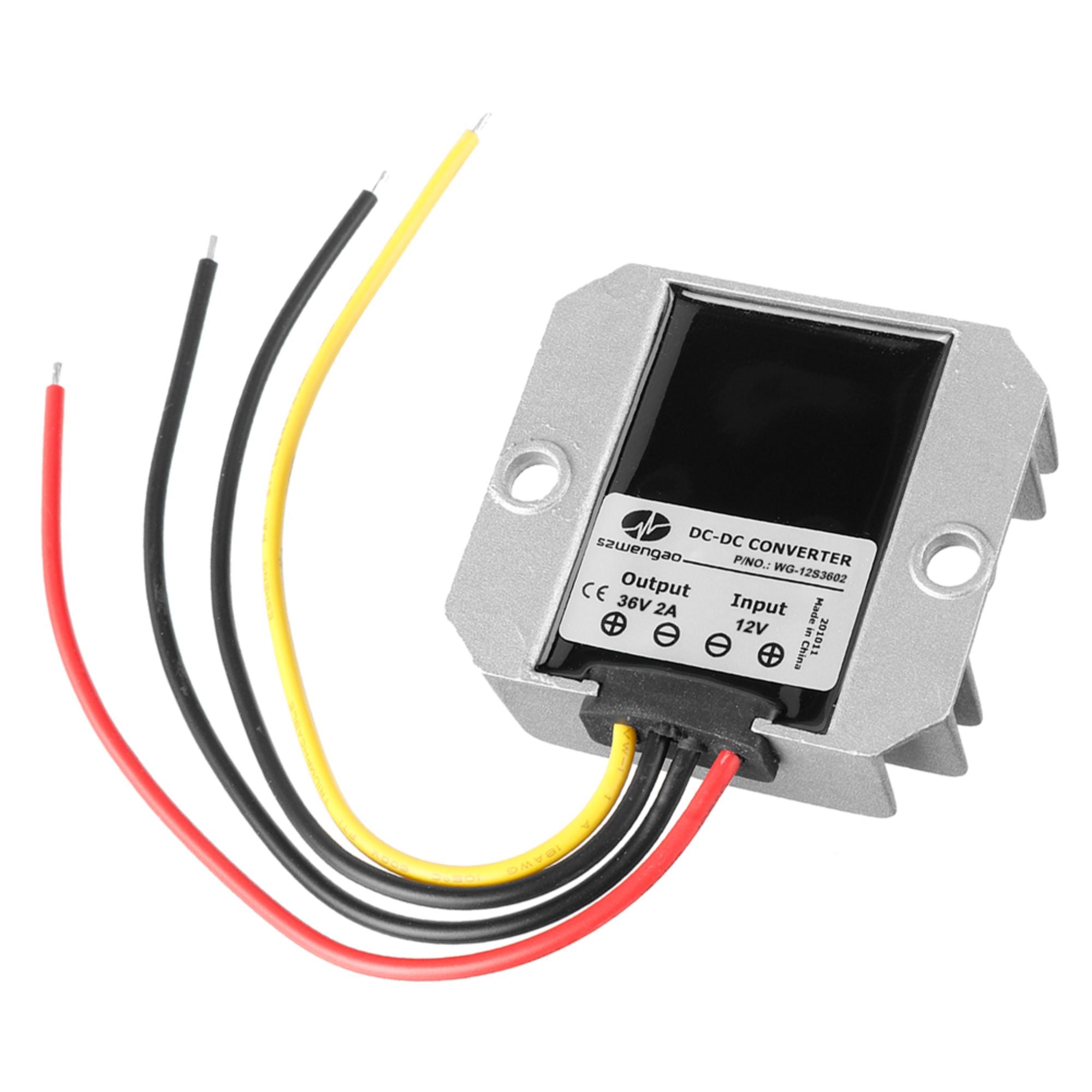
Small Volume Boost Converter 12V DC to 36V DC 1A 2A Step-up Converters 12 Volt to 36 Volt Power Supply
Small volume boost converters are increasingly vital in catering to the growing demands for compact and efficient power supplies. They are particularly valuable in telecommunications and consumer electronics, where space and energy efficiency are paramount. These converters achieve up to 96% efficiency while stepping up voltage from 12V to 36V, supporting various applications with enhanced integration and reliability. Industry reviews consistently indicate their benefits in delivering stable power solutions, reinforcing their necessity in evolving sectors. Their robust design ensures adaptability and performance in dynamic environments, making them indispensable in advancing technological demands.
Recommended Products
Hot News
-
Application Advantages of Non-Isolated BUCK Converters Compared to Isolated Step-Down Converters
2024-01-23
-
DC-DC Converters Showcase Remarkable Advantages in Outdoor Off-Grid Applications
2024-01-23
-
DC to DC Battery Charger - Wide input and Noise immunity for dual battery system applications
2024-01-19