 EN
EN
 AR
AR
 BG
BG
 HR
HR
 CS
CS
 DA
DA
 NL
NL
 FI
FI
 FR
FR
 DE
DE
 EL
EL
 HI
HI
 IT
IT
 JA
JA
 KO
KO
 NO
NO
 PL
PL
 PT
PT
 RO
RO
 RU
RU
 ES
ES
 SV
SV
 CA
CA
 TL
TL
 IW
IW
 ID
ID
 SR
SR
 SK
SK
 UK
UK
 VI
VI
 HU
HU
 TH
TH
 TR
TR
 FA
FA
 AF
AF
 MS
MS
 GA
GA
 HY
HY
 BN
BN
 MN
MN

Applications of Boost Converters in Electric Vehicle Charging Systems
How Boost Converters Enable Efficient EV Charging
DC-DC Step Up Converter Fundamentals
The core function of a DC-DC step up converter is to increase the voltage from a lower level to a higher level, essential in electric vehicle (EV) charging. These converters play a crucial role in ensuring that the battery receives the appropriate voltage necessary for efficient charging. The basic principle involves the use of components such as inductors, capacitors, and switches to convert power levels. Inductors temporarily store energy in a magnetic field, capacitors smooth voltage output, and switches regulate the transformation process.
An efficient switching mechanism is pivotal for these converters as it determines the performance level. A well-coordinated control strategy optimizes the timing of the switches, minimizing energy loss and enhancing overall efficiency. Research, such as studies on advanced materials and semiconductor technologies, supports innovative techniques to boost converter efficiency. With expert insights, we understand that the integration of real-time microcontrollers can provide higher precision control, substantially improving vehicle charging systems.
Voltage Regulation in Charging Stages
Voltage regulation is paramount in different charging stages for EVs to maintain a stable output and enhance battery health. During the charging process, a boost converter ensures consistent voltage by adjusting its parameters accordingly. Feedback loops are instrumental in this process, constantly monitoring voltage levels and making necessary corrections. This mechanism ensures that fluctuations due to environmental or load changes do not compromise the charging process.
Empirical studies demonstrate the reliability of feedback systems in voltage stabilization. However, challenges like thermal management and transient responses persist in voltage regulation. Advanced converter designs employing innovative control algorithms have shown promise in addressing these issues. Enhancements such as adaptive control techniques allow converters to better handle these challenges and stabilize output voltage, ensuring a smooth charging experience.
Maximizing Energy Transfer Efficiency
Energy transfer efficiency within boost converters directly impacts charging time and battery life in EVs. Higher efficiency translates to faster charging sessions and reduced wear on battery cells, prolonging their lifecycle. Optimizing this efficiency involves techniques like reducing resistive losses and carefully selecting switching frequencies. Minimizing resistive losses can be achieved through improved circuitry and low-loss materials, while higher frequencies decrease energy waste, enhancing the system's overall performance.
Technical studies support that efficiency optimization also hinges on balancing switching speed and thermal management. Implementing effective thermal solutions can prevent overheating and energy losses. By utilizing efficiency metrics, we can measure charging durations and correlate them with energy transfer improvements. For instance, a 10% increase in energy efficiency can significantly reduce charging time, making EVs more appealing for daily use.
The integration of modern DC-DC step up converters and advanced technologies in EVs underscores the significance of optimizing the charging process for a more sustainable and efficient future in electric transportation.
Key Applications in EV Charging Infrastructure
On-Board Charger Systems with Step-Up Conversion
On-board chargers are integral to electric vehicles, leveraging step-up conversion technology to enable rapid and efficient battery charging. These systems are designed to handle and convert incoming power from various voltage levels at charging stations, ensuring compatibility and efficient energy transfer to the battery. This flexibility in power conversion also enhances the overall functionality and usability of electric vehicles, allowing them to charge seamlessly across different infrastructures. Notably, electric vehicles such as the Tesla Model S and Nissan Leaf utilize onboard chargers with boost converters, offering enhanced benefits like reduced charging times and improved energy efficiency compared to traditional static charging systems.
Battery Management Integration Solutions
Boost converters play a pivotal role within battery management systems (BMS) to bolster electric vehicle performance and battery lifespan. By providing real-time voltage adjustments, these converters help maintain an optimal charge-discharge cycle, which is crucial for battery health. With the capability to swiftly adapt to the battery's needs, boost converters ensure that the battery operates within safe voltage limits, thus prolonging its service life. Various studies highlight the ability of buck-boost DC-DC converters to not only enhance the longevity of the battery but also improve the energy management strategies in high-demand situations, showcasing significant advancements in battery management outcomes.
Fast-Charging Station Voltage Adaptation
In fast-charging stations, boost converters are essential for adapting voltage levels to meet the diverse requirements of different electric vehicles. This capability is crucial given the various battery voltages and capacities in modern EVs, which means that charging stations must adjust voltages rapidly and accurately. The use of DC-DC boost step-up converters enables these stations to efficiently accommodate these variations, ensuring quick and reliable charging. Moreover, data suggests that employing these converters significantly reduces the time needed for a full charge, enhancing the overall usability and convenience of public charging stations. As the demand for speedy charging solutions grows, the role of these converters in optimizing charging time becomes increasingly vital.
Boost Converter Solutions for EV Systems
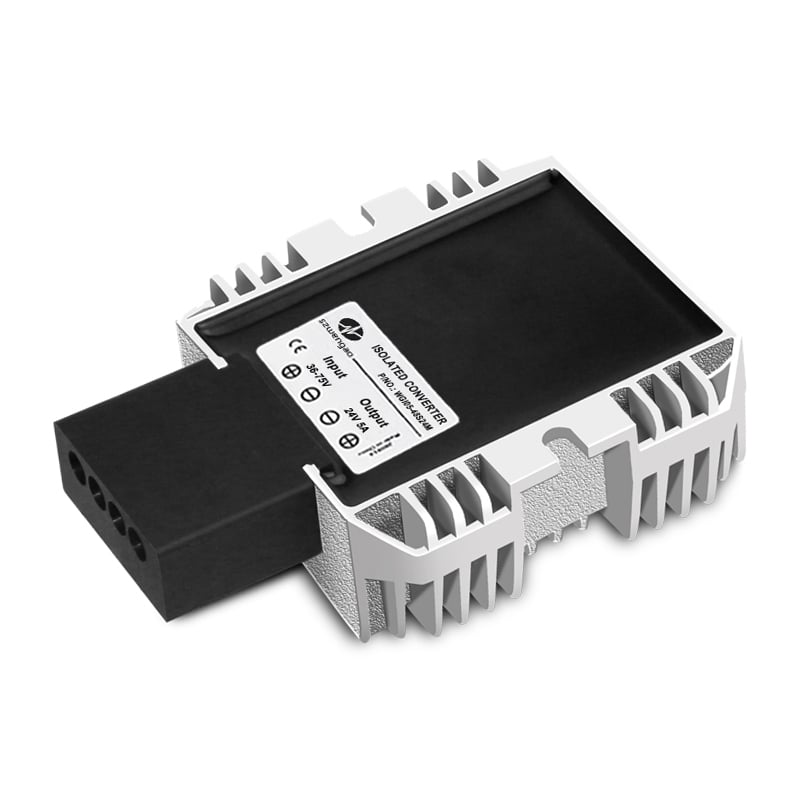
Waterproof 48V to 24V Isolated DC DC Step Down Converter
In the realm of electric vehicles (EVs), waterproof DC converters are crucial due to potential moisture exposure. A prime example is the Waterproof 36-75V 48V to 24V Isolated DC DC Converter, which boasts impressive specifications. This converter offers an extensive input voltage range of 36-75V, delivering stable current output. With high efficiency up to 91% and protective features like short circuit, overload, and low voltage protection, it's well-suited for the rugged environments typical of EVs. This converter's reliability is highlighted by its 100% full load burn-in test, ensuring performance in any automotive application.
Compact 12V to 48V DC Boost Step Up Converter
Compact boost converters, like the 12V to 48V Step Up Converter, are invaluable in the EV sector, particularly for applications sensitive to weight and space constraints. This model provides an efficient solution with a full stable current output even in challenging environments, thanks to its efficient design and operation. With conversion efficiency reaching up to 94%, it ensures maximum energy transfer and minimal loss. Such specifications highlight its capability to handle demanding scenarios effectively, making it a staple in weight-sensitive EV applications.
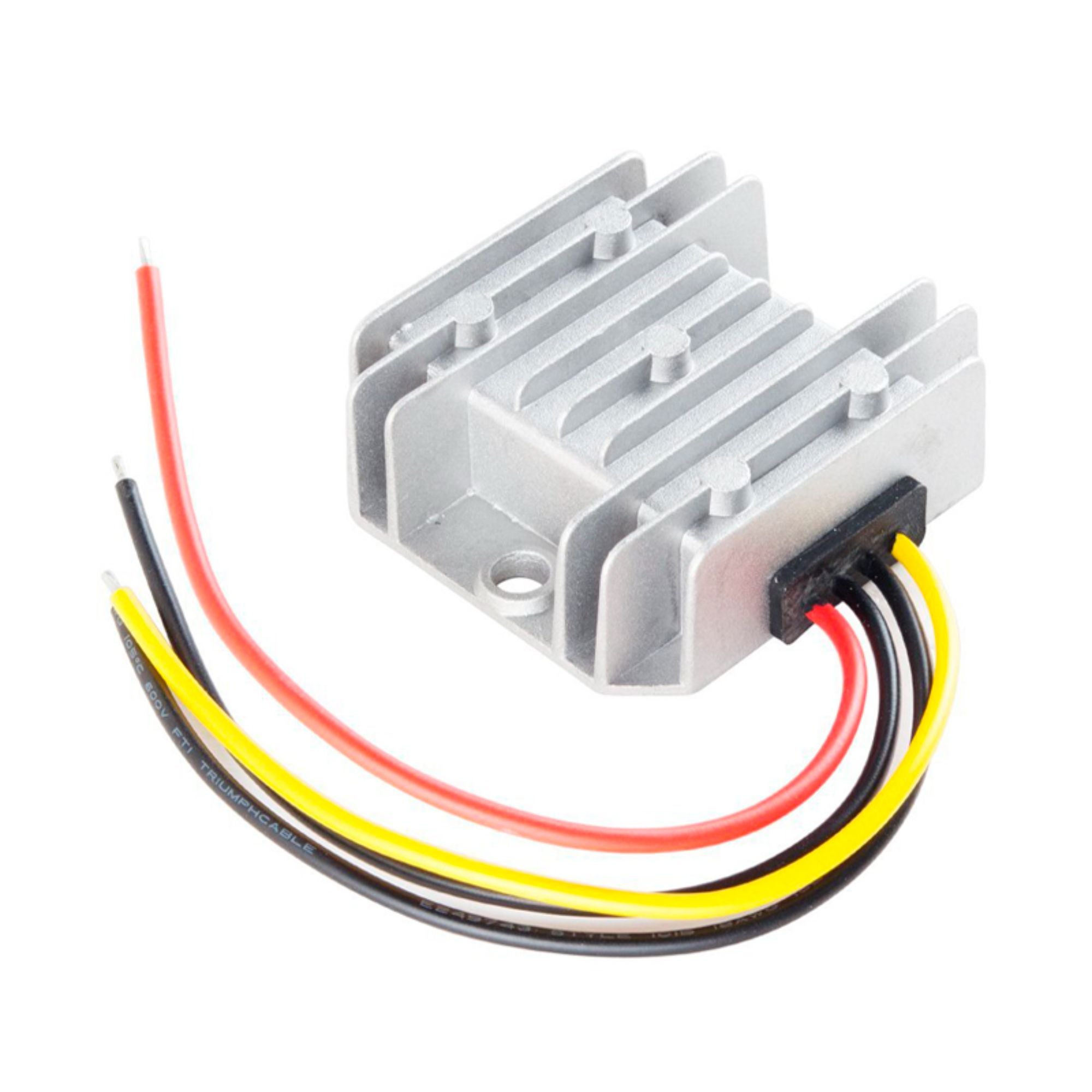
Small Footprint 12V to 36V Step-Up Power Supply
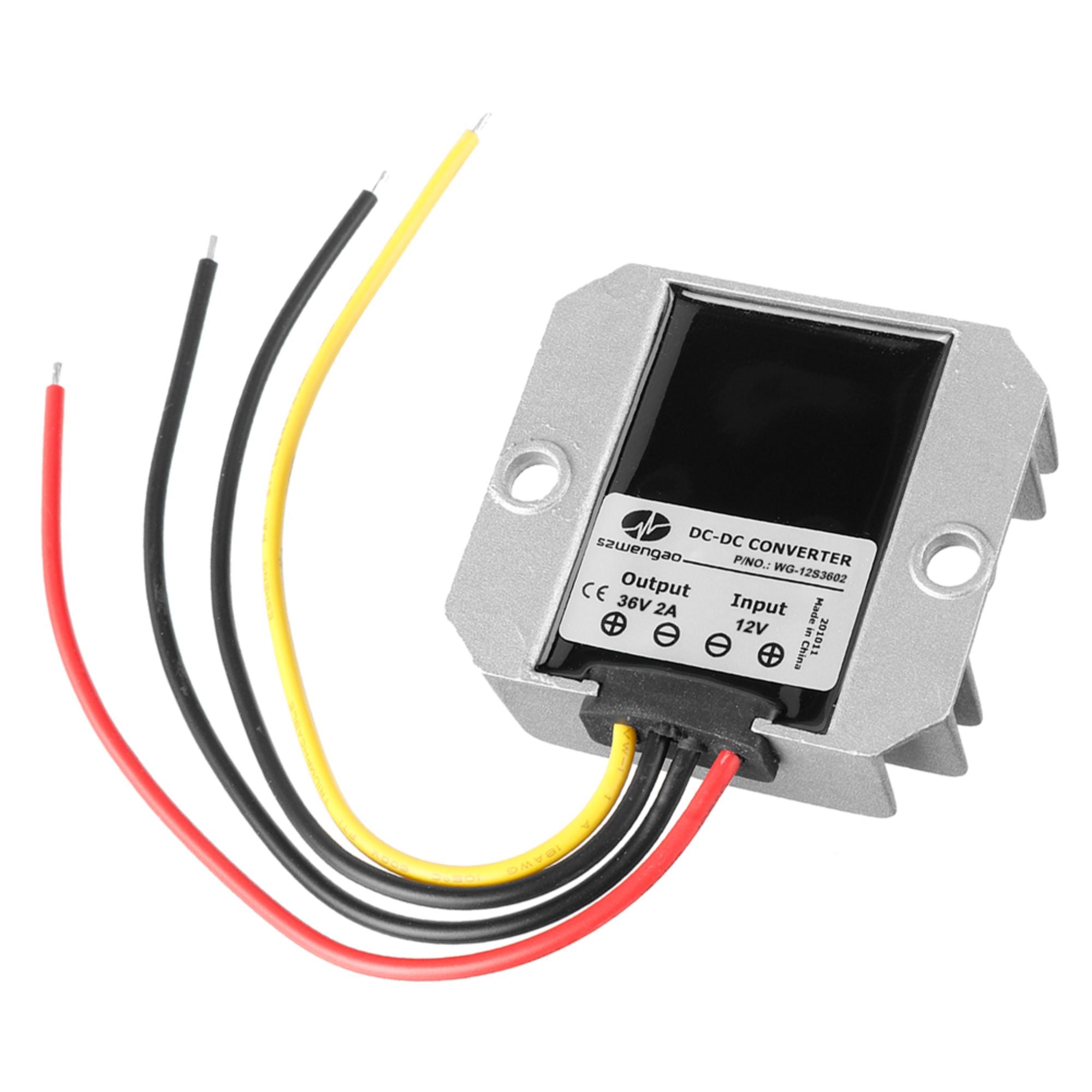
Designing small footprint power supplies requires balancing size and performance, crucial for auxiliary power applications in EVs. The 12V to 36V Step-Up Converter is a compact yet powerful solution. It demonstrates high efficiency, up to 96%, and robust operational stability with protections against overload and low voltage. These converters are essential for powering additional vehicle systems without compromising space or efficiency. In a market where every design improvement counts, utilizing converters with a small footprint offers significant performance advantages.
Recommended Products
Hot News
-
Application Advantages of Non-Isolated BUCK Converters Compared to Isolated Step-Down Converters
2024-01-23
-
DC-DC Converters Showcase Remarkable Advantages in Outdoor Off-Grid Applications
2024-01-23
-
DC to DC Battery Charger - Wide input and Noise immunity for dual battery system applications
2024-01-19