 EN
EN
 AR
AR
 BG
BG
 HR
HR
 CS
CS
 DA
DA
 NL
NL
 FI
FI
 FR
FR
 DE
DE
 EL
EL
 HI
HI
 IT
IT
 JA
JA
 KO
KO
 NO
NO
 PL
PL
 PT
PT
 RO
RO
 RU
RU
 ES
ES
 SV
SV
 CA
CA
 TL
TL
 IW
IW
 ID
ID
 SR
SR
 SK
SK
 UK
UK
 VI
VI
 HU
HU
 TH
TH
 TR
TR
 FA
FA
 AF
AF
 MS
MS
 GA
GA
 HY
HY
 BN
BN
 MN
MN

Utilizing Buck Converters for Efficient LED Lighting Systems
Understanding Buck Converters in LED Lighting Systems
Basic Operation of Step-Down Voltage Regulators
Buck converters serve as integral step-down voltage regulators, transforming higher input voltages into lower output voltages suited for LED lighting systems. These converters are preferred due to their efficiency, primarily utilizing a switching mechanism paired with an inductor. Unlike linear regulators that dissipate excess energy as heat, buck converters employ pulse-width modulation (PWM) to manage voltage and current output effectively. This process involves carefully timed on-off cycling, ensuring the desired power levels without unnecessary energy loss. Conventional AC to DC converters often fail to match the efficiency levels provided by buck converters, especially in applications requiring customizable power outputs for different loads, highlighting their significance in modern LED power infrastructure.
Addressing LED Power Supply Challenges
LED systems pose specific power supply challenges, including dealing with voltage fluctuations, managing heat dissipation, and ensuring compatibility with varied input sources. Buck converters adeptly handle these issues by offering stable power delivery critical for sustaining consistent LED performance. Their design enables smooth integration into systems with DC-to-DC chargers, which is particularly beneficial in energy-sensitive domains like automotive applications. Research underscores that outfitting LED applications with proper buck converters can notably extend their lifespan and reliability. This enhancement is achieved by reducing electrical stress and thermal impacts, which often compromise the integrity and longevity of LED lighting systems.
Energy Efficiency Advantages in DC-DC Conversion
The energy efficiency of buck converters exceeds 90%, positioning them as superior in the realm of power converter technologies. This high efficiency is pivotal in minimizing energy waste, especially in battery-operated or energy-critical scenarios. By converting DC voltages with minimal losses, buck converters not only help decrease operational costs but also bolster the sustainability of lighting systems. Studies indicate that employing high-efficiency buck converters in LED systems can cut energy consumption by up to 30% annually. This potential for substantial savings and environmental benefits underscores the strategic advantage of integrating buck converters in modern LED applications—translating into both economic and ecological gains.
Top Buck Converter Solutions for LED Power Management
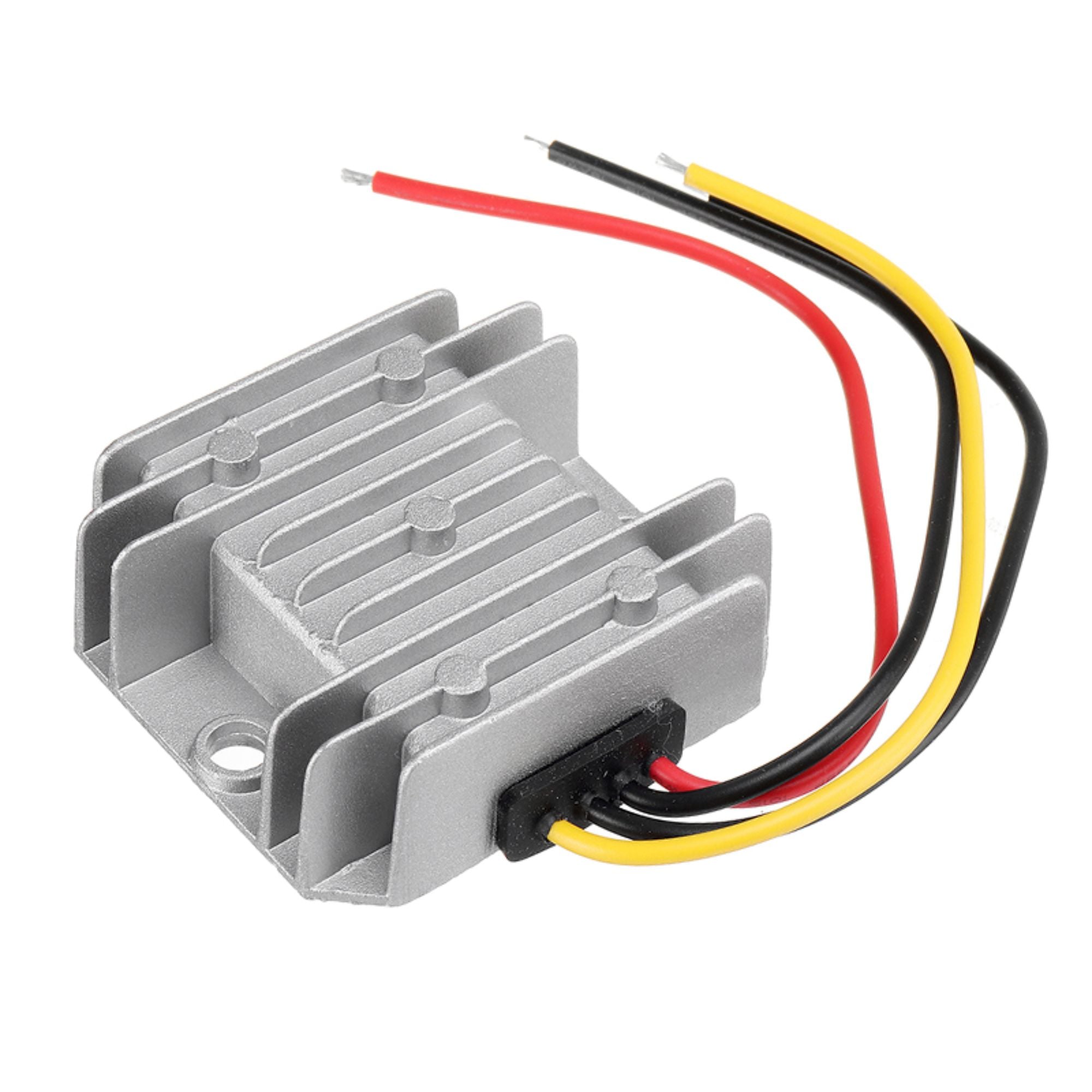
Reliable 12V/24V to 5V 20A-30A Buck Module (150W)
If you're looking for a reliable solution for your LED lighting applications, the Reliable 12V/24V to 5V 20A-30A Buck Module presents an ideal choice. Designed to efficiently convert standard 12V or 24V inputs to a stable 5V output, it excels in various LED setups requiring robust power management. Its high current capacity, up to 30A, ensures compatibility even with demanding installations, minimizing the risk of overheating. This module features short circuit and overvoltage protection to enhance system reliability and safety. Additionally, design elements like an onboard heat sink or thermal protection mechanisms extend the lifespan of the module during continuous use.
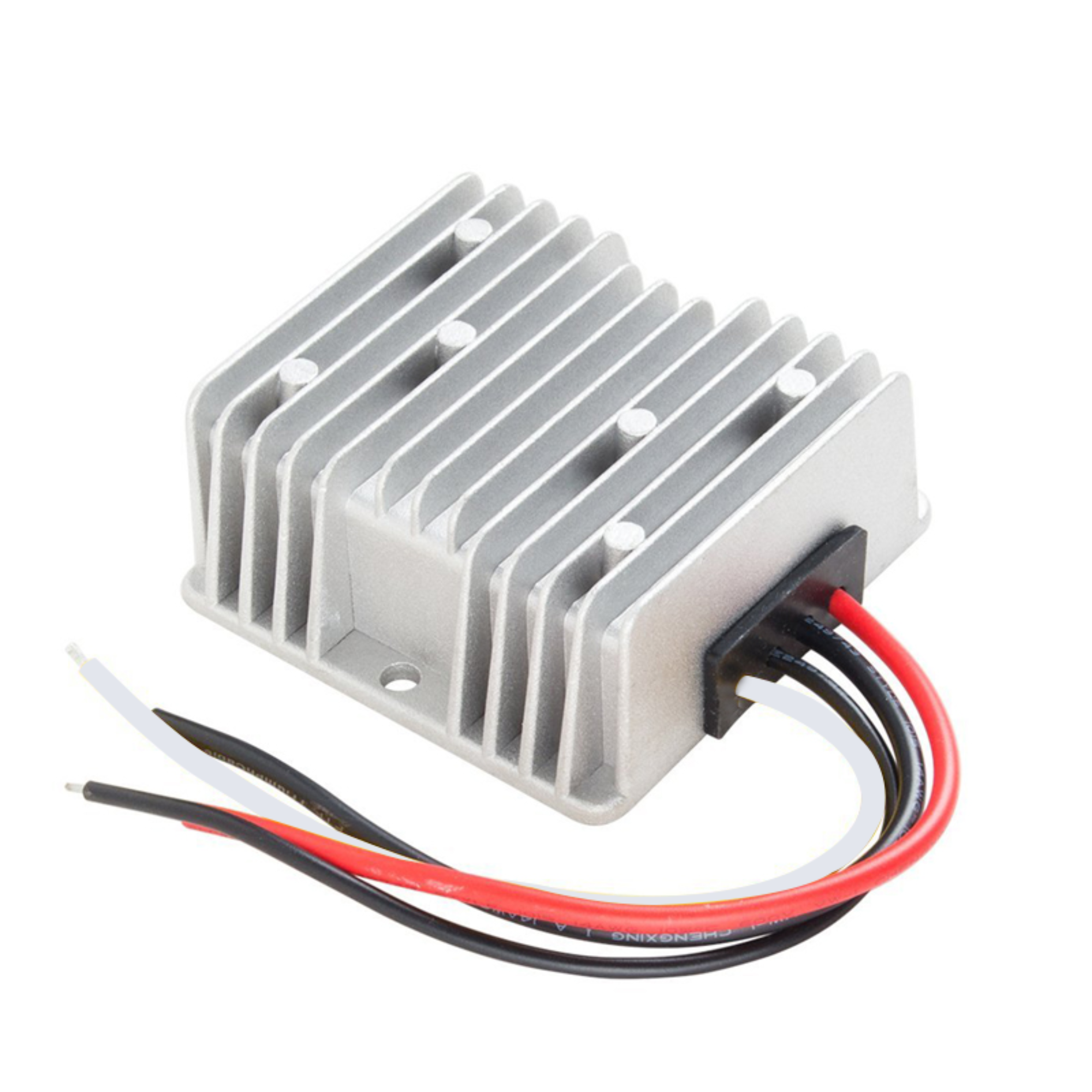
High-Capacity 12V/24V to 5V 40A-50A Regulator (250W)
For larger LED installations, the High-Capacity 12V/24V to 5V 40A-50A Regulator stands out as a formidable option. Designed to handle high currents up to 50A, it is suited for commercial or industrial lighting systems. Its sophisticated thermal management systems maintain performance stability even under heavy loads, ensuring enduring functionality and safety. Additionally, this regulator offers multiple input options, enhancing versatility for diverse setups—be it architectural or automotive applications. With efficiency ratings often surpassing 95%, users benefit from significant energy savings and a reduced environmental footprint.
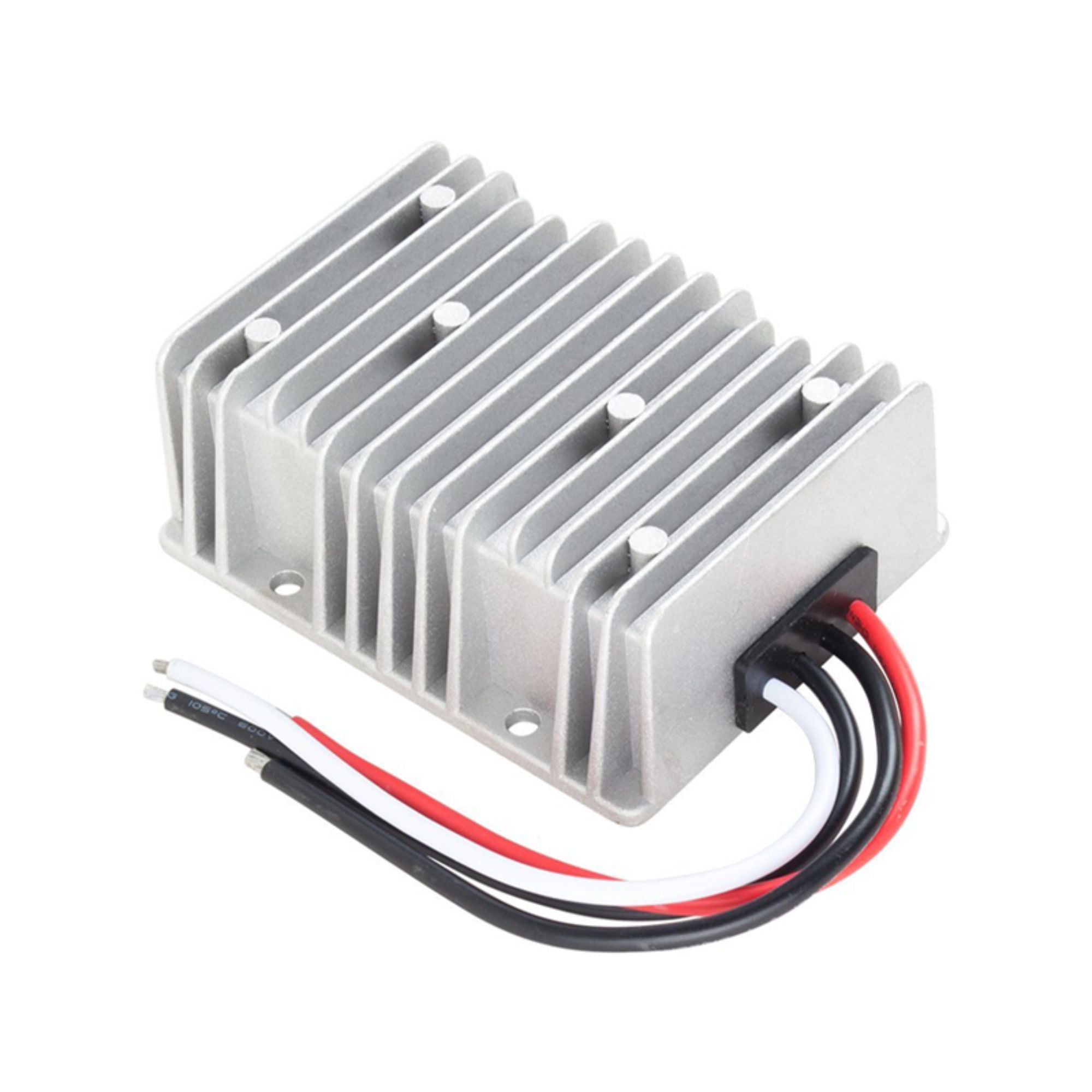
Compact 12V/24V to 5V 5A-20A Car LED Converter (100W)
The Compact 12V/24V to 5V 5A-20A Car LED Converter is a versatile module perfect for automotive LED lighting. It efficiently converts vehicle power supplies, making it indispensable for various automotive lighting applications. Notable for its portability and lightweight design, it fits well in smaller spaces without compromising power output. Safety features such as overload and overcurrent protection guarantee reliable performance even in challenging driving conditions. Its versatility allows support for a myriad of applications, from enhancing interior car lighting to powering high-intensity headlights.
Key Features of High-Performance LED Drivers
Wide Input Voltage Range Compatibility
High-performance LED drivers are designed to support a broad range of input voltages, crucial for ensuring compatibility with diverse power sources. This compatibility allows seamless integration into various systems without requiring additional converters, thus saving on space and cost. Typically, these drivers can function efficiently within a 10-30V range. This adaptability not only maintains operational efficiency but also caters to changing power conditions. According to industry reports, such wide-range compatibility can significantly reduce installation times and the associated labor costs, providing an economical solution for LED integration.
Smart Thermal Management Systems
Advanced thermal management systems are a key component of high-performance LED drivers, playing a vital role in heat dissipation and ensuring stable operation. These systems often incorporate features such as temperature monitoring, dynamic power adjustments, and heat sinks to facilitate effective cooling. By maintaining optimal operating temperatures, these management systems enhance the lifespan and efficiency of both the driver and the connected LEDs. Studies have shown that efficient thermal management in LED systems can lead to a 20-30% increase in longevity, highlighting its importance in LED driver performance.
Robust Protection Circuits for Automotive Use
Automotive LED drivers are equipped with robust protection circuits that help withstand variations and spikes in a vehicle's electrical system. Key protection features include short-circuit, overvoltage, and reverse polarity safeguards, which are essential for maintaining operational integrity. These circuits adhere to automotive-grade standards, ensuring reliable performance even in harsh conditions like extreme temperatures and vibrations. Statistical data indicate that vehicles outfitted with superior LED drivers experience fewer electrical failures and reduced maintenance costs, underscoring the importance of robust protection circuits in automotive applications.
Implementing DC-DC Converters in Lighting Applications
Voltage Stabilization Techniques for Flicker Prevention
Voltage stabilization in DC-DC converters is crucial for minimizing flicker and ensuring steady light output in LED lighting. Techniques such as output filters and feedback loops are employed to monitor and regulate output voltage, thereby addressing fluctuations proactively. Flicker not only degrades the visual quality of lighting but can also cause eye strain, making these stabilization measures vital for user comfort. Research indicates that maintaining stable voltage can significantly reduce flicker frequency, which is particularly beneficial in environments where visual clarity is essential, such as offices and hospitals.
Waterproof Design Considerations for Harsh Environments
For outdoor and industrial applications, implementing waterproof designs in DC-DC converters ensures durability and safety under harsh conditions. Techniques like conformal coating and enclosure designs protect against moisture, dust, and environmental stressors. These considerations help to extend the life of lighting systems and reduce maintenance costs, which is crucial in both residential and commercial contexts. Industry guidelines recommend waterproofing to withstand various environmental factors, thereby increasing the reliability of the equipment. This ensures that the lighting systems perform optimally even in adverse environments.
Integration with Existing Vehicle Electrical Systems
Effective integration of DC-DC converters within existing vehicle electrical systems can enhance performance and reduce system complexity. Key aspects of this process include compatibility with onboard computers, sensors, and existing power distribution systems. Such enhancements lead to improved energy management, safety features, and more efficient operation of vehicle lighting. Experts recommend frequent audits and updates to integration strategies based on the latest technological advancements to maintain the synergy between new converters and established vehicle systems. This proactive approach ensures long-term efficiency and reliability in automotive lighting.
Recommended Products
Hot News
-
Application Advantages of Non-Isolated BUCK Converters Compared to Isolated Step-Down Converters
2024-01-23
-
DC-DC Converters Showcase Remarkable Advantages in Outdoor Off-Grid Applications
2024-01-23
-
DC to DC Battery Charger - Wide input and Noise immunity for dual battery system applications
2024-01-19