 EN
EN
 AR
AR
 BG
BG
 HR
HR
 CS
CS
 DA
DA
 NL
NL
 FI
FI
 FR
FR
 DE
DE
 EL
EL
 HI
HI
 IT
IT
 JA
JA
 KO
KO
 NO
NO
 PL
PL
 PT
PT
 RO
RO
 RU
RU
 ES
ES
 SV
SV
 CA
CA
 TL
TL
 IW
IW
 ID
ID
 SR
SR
 SK
SK
 UK
UK
 VI
VI
 HU
HU
 TH
TH
 TR
TR
 FA
FA
 AF
AF
 MS
MS
 GA
GA
 HY
HY
 BN
BN
 MN
MN

Why Boost Converter Is Essential for Low-Voltage Devices?
Understanding the Core Role of Boost Converters in Low-Voltage Setups
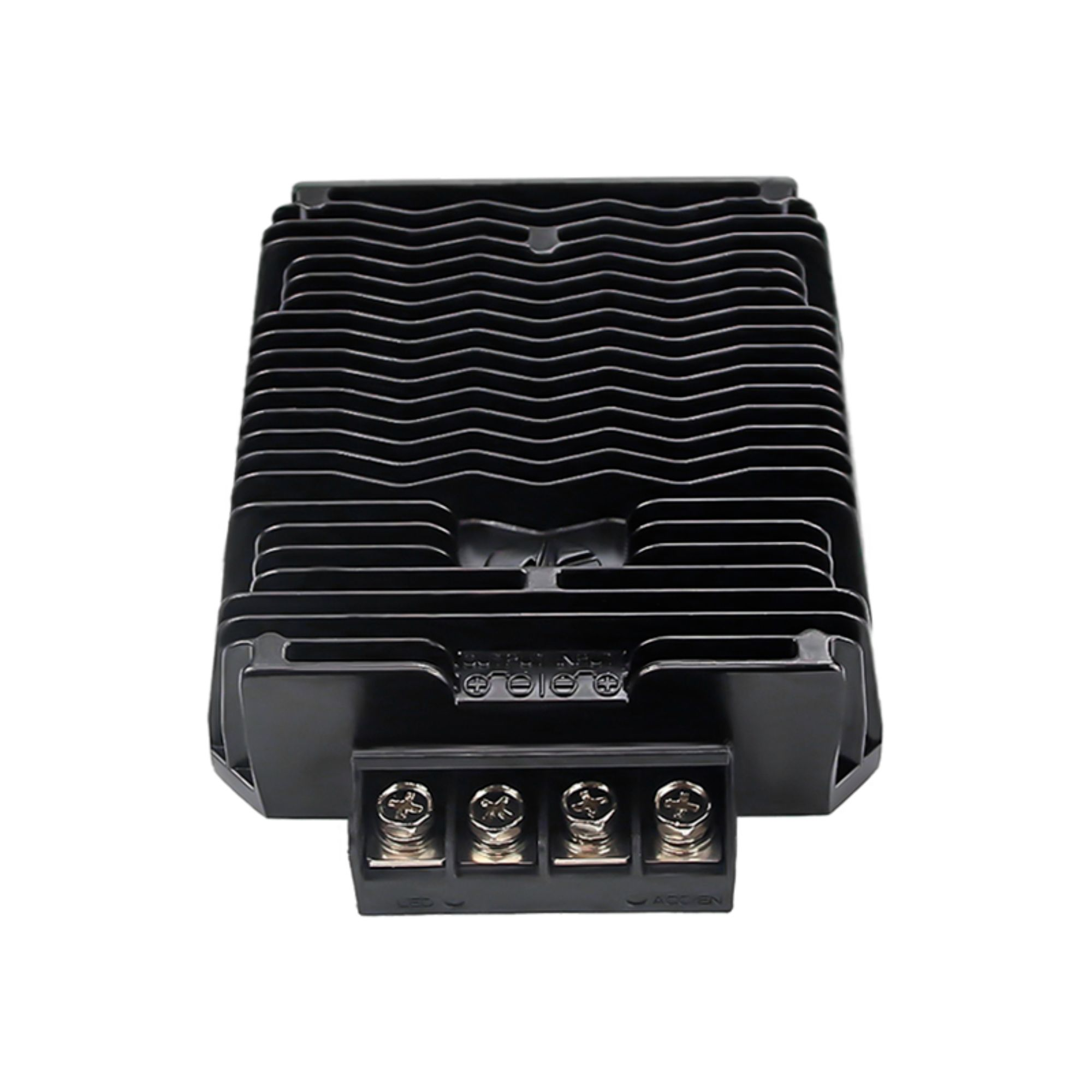
Portable sensors, small IoT devices, and some car electronics are examples of low-voltage devices powered by batteries and USBs that provide low-voltage power sources, such as 3.7V lithium-ion batteries and 5V USB power sources. Many internal components, such as microcontrollers and wireless communication modules, require even greater, 12V voltages to function. This is where boost converters come in. Boost converters are DC-DC converters that increase low input voltages to higher, regulated output voltages. Boost converters, unlike some other power conversion methods, do not waste energy and provide consistent regulation of output voltage. This means that low-voltage devices only receive as much power as needed to operate, reliably and without interruptions. In the absence of boost converters, low-voltage devices would not function at all, or perform poorly due to inadequate voltage throttling.
Boost Converters and the Power Mismatch Problem
One of the first issues faced with low-voltage devices is the low-voltage differential from the power source and the actual power requirement of internal components. Take, for example, a small wearable device powered with a 3.7V battery, but requiring a 7.4V power supply to the Bluetooth module for effective data transfer. No problem, a boost converter will overcome this obstacle. During the "on" phase of the switching cycle, energy is stored in an inductor, and during the "off" phase" that energy is released at a higher voltage. The switch (a transistor in most cases) and the feedback mechanism that controls the voltage will retain the voltage in the output; Accessing a failing battery will result in fluctuating input voltage. The sensitive components of the device and the battery will be at risk of damage due to inconsistent voltage. Erratic behavior will be exhibited by the sensor and data loss will be seen in the IoT devices. The absence of cumbersome high-voltage power sources is due to the boost converter's ability to solve this problem at power mismatch.
Advantages of Boost Converters on Low-Voltage Devices
Energy-efficient low-voltage devices, especially battery-operated ones, are very important to consumers. Users of portable sensors and wireless earbuds want these devices to last for hours on a single charge. Boost converters are useful in these situations. High-quality boost converters reach efficiency rates of 90%, meaning that only a small portion of input energy is lost as heat. This is a vast improvement from the older, linear voltage regulators which waste a significant portion of energy when stepping up voltage. For instance, energy from the battery is lost as heat when a linear regulator is used to convert 3.7V to 12V, which drastically shortens the battery life of the device. Boost converters, in contrast, minimize energy waste and use it to lengthen run time. This user experience improvement means devices last longer on a single charge and battery replacements become less frequent, saving time, money, and reducing environmental waste.
Aspects and the Reliability of Low-Voltage Devices Across Different Uses
One of the many Low-voltage devices uses includes inside a car and exposed to fluctuations in temperature and voltage levels. Other uses includes outdoor IoT sensors which are exposed to extreme weather. No matter the application, reliability is a must. Ensuring reliability for devices is where boost converters come in. Several boost converters come with features such as overvoltage protection, overcurrent protection, and thermal shutdown, that help with not damaging the converter or the device connected to it. For example, in automotive applications, the electronic systems in vehicles can cause voltage spikes to occur when the engine is started. Boost converters that are designed with overvoltage protection can help absorb these spikes and protect low-voltage devices such as GPS trackers. Moreover, boost converters are designed to survive extreme temperature, high vibration and other harsh environmental conditions, which makes them ideal for low-voltage devices used in industrial or outdoor applications. In the real world, without such reliability, low-voltage devices will be inconsistent.
The Indispensable Nature of Boost Converters in Low-Voltage Devices
The need for boost converters is only expected to increase as low-voltage devices continue to develop and gain advanced features with greater power demands, requiring smaller and lighter power conversion solutions. Consider advanced IoT devices, which require higher voltage radio module power conversion to support longer-distance communication for more data processing. Boost converters are capable of compact design and lightweight construction. As more low-voltage devices powered by renewable energy, such as solar-powered sensors, are introduced to the market, the need for reliable boost converters to replace voltage is more critical. As the field of power electronics advances, the helpful nature of boost converters in low-voltage devices will increase, as they increase in efficiency, durability, and versatility.
Recommended Products
Hot News
-
Application Advantages of Non-Isolated BUCK Converters Compared to Isolated Step-Down Converters
2024-01-23
-
DC-DC Converters Showcase Remarkable Advantages in Outdoor Off-Grid Applications
2024-01-23
-
DC to DC Battery Charger - Wide input and Noise immunity for dual battery system applications
2024-01-19