
 EN
EN
 AR
AR
 BG
BG
 HR
HR
 CS
CS
 DA
DA
 NL
NL
 FI
FI
 FR
FR
 DE
DE
 EL
EL
 HI
HI
 IT
IT
 JA
JA
 KO
KO
 NO
NO
 PL
PL
 PT
PT
 RO
RO
 RU
RU
 ES
ES
 SV
SV
 CA
CA
 TL
TL
 IW
IW
 ID
ID
 SR
SR
 SK
SK
 UK
UK
 VI
VI
 HU
HU
 TH
TH
 TR
TR
 FA
FA
 AF
AF
 MS
MS
 GA
GA
 HY
HY
 BN
BN
 MN
MN

How to Install an RV Battery Charger Correctly?
Installing an RV Battery Charger the Right Way
Every RV owner understands the importance of a dependable RV battery. This is especially true when you go off-grid camping or during a road trip when you need battery-operated appliances like lights and a fridge. The best way to ensure a battery works is to install and RV Battery Charger. Poor installation can result in dead batteries, damaged devices, and possible risk to life and health. However, as this guide explains, the installation process is very easy if you stick to a step-by-step process, pay close attention, and understand your devices. The following explains how to best install RV battery chargers, especially those made by good providers such as szwengao.
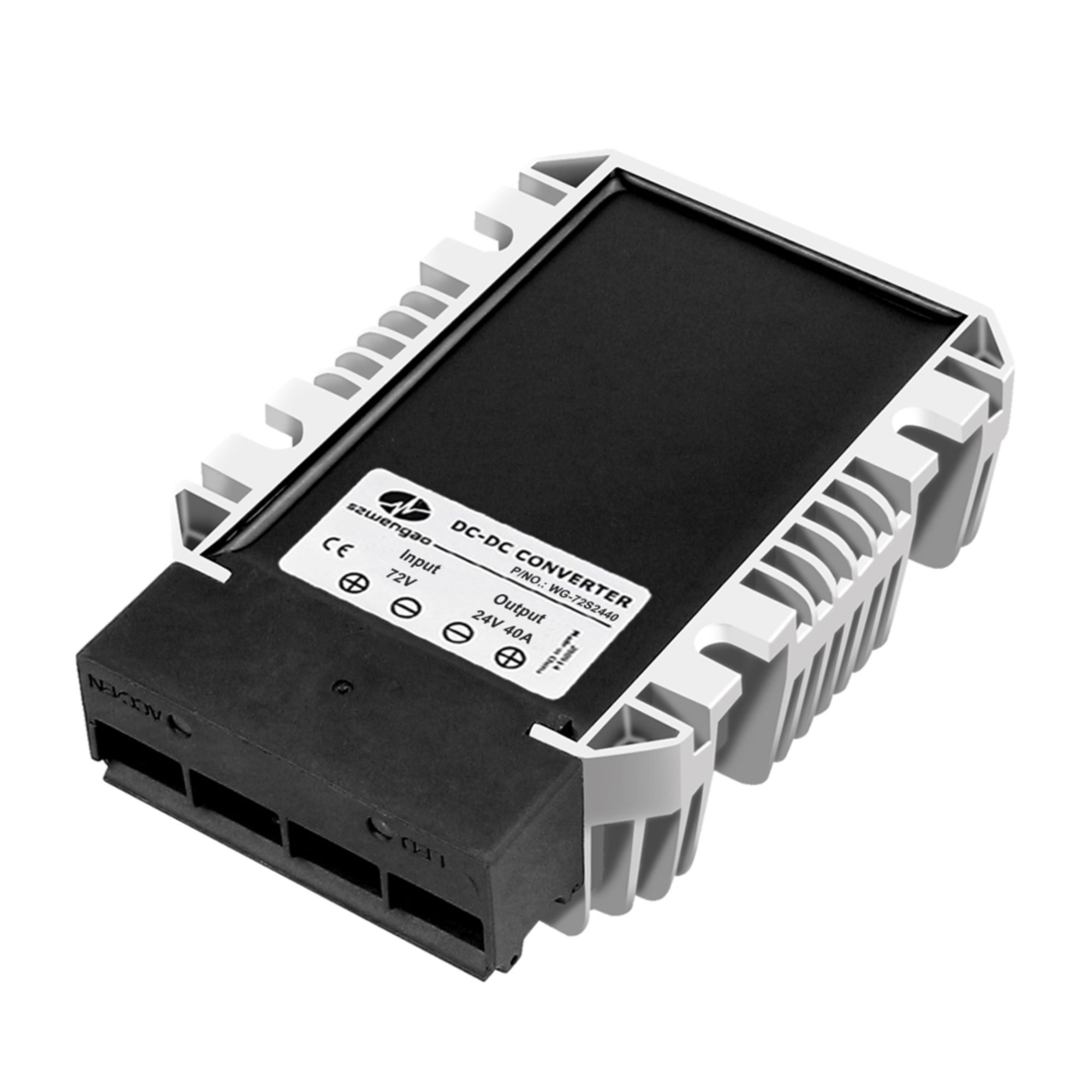
Make Sure You Have Everything You Need Before Installing
You can't install something without first having all the necessary tools and an understanding of your equipment. Start with a checklist on tools required. Most installs are simple and only require a flat-head and Phillips-head screwdriver, a wire stripper (be sure it's rated for RV wiring), a pair of pliers (preferably needle-nose for tighter spots), and a multimeter. A multimeter is absolutely necessary, it will be used to measure voltage and ensure that there is no live current while you are working to keep you safe.
Take the time to learn about your RV Battery Chargers and the battery system of your RV. Chargers can be made for lead-acid batteries, lithium-ion, or both (like the szwengao model), which is great to have in case you decide to upgrade your battery. Check the specs on your charger, what voltage does it support? Most RVs are around 12V, but it is best to check to ensure you do not buy or install a charger that does not fit. Check the amperage too because if it is too low, it will take forever to charge; if it is too high, it can damage the battery.
Find your RV's batteries. They store power and are usually located under the RV in a battery compartment, in the front storage compartment, or sometimes inside near the electrical panel. The battery charger needs to touch the battery and a 120V AC power source (like your RV's shore power inlet or an inverter). The charger gets wired to the battery and the shore power inlet. Make sure there's enough room to mount the charger; szwengao's chargers are compact and designed to fit in most tight spaces, however, there needs to be room for wiring and ventilation (chargers warm up when in use, and circulate air to cool down).
Do A Thorough Safety Check Before Starting
Skipping safety can lead to fire or damage the battery. To lessen the chances of this happening, start safety procedures by disconnecting the power to the RV. Unplug the shore power cord, turn off the inverter, and if your RV has a battery disconnect switch (most modern RV's do), switch it to off. This will cut power to the battery and the electrical system, ensuring you don't get shocked while working.
Next, you should evaluate the battery's condition. If the battery is leaking, bulging, or has corroded terminals, do not install the charger; the battery must be replaced first. Light corrosion can be cleaned with a wire brush and a paste of baking soda and water, but if the corrosion is heavy, replace the battery for safety. To estimate condition, use your multimeter to measure battery voltage. A healthy 12V battery should read 12.6V or better when not charging. If the reading is below 12V, charge the battery with a portable charger first. You cannot install a new charger on a dead battery, it will only damage the charger.
While your charger is charging, inspect the wiring you will use. Look for frayed wires, loose connections, or damaged insulation. If worn wiring is a cause for a short circuit, replace it. Look at the charger power cord with the same scrutiny: it should not be cracked or bent, and especially not at the plug. Szewangao's chargers come with durable cords, but it's good to double-check. Finally, safety gear must be worn. All safety gloves to protect your hands from corrosion, and safety glasses to protect your eyes from any small flying parts when you are tightens screws.
Step by Step Installation Process
Ready for Installation. Let's go ahead and install an RV battery charger. The first step is to mount the charger. Look for a flat and dry area close to the battery bank. Avoid places that get wet like under the RV or places that get too hot like near the engine or exhaust. Use the screws provided with the charger to secure the mount to the surface (szwengao includes mounting hardware which saves you a trip to the store) and make sure it's tight so that it will not bounce around while driving.
From here, attach the charger to the battery. The charger should have two leads, the red one for the positive attachment and the black one for the negative. Next, get your wire stripper and peel off about ½ an inch of the insulating casing off of each wire. But don't get too aggressive—stripping too much wire could expose some and cause a short circuit. You will want to attach the black wire to the battery's negative terminal first. Take a wrench, loosen the terminal bolt, slide the ring terminal of the wire underneath the bolt, and tighten the bolt back. It is very important to ensure that it is snug and will not detach, so check to see if it will wiggle. You will then attach the red wire to the positive terminal in the same way. Be certain to not get the wires confused. It is very important in the wiring process that the positive and negative attachments are not reversed. Doing so will create a short circuit, and destroy the charger and battery.
Once you've connected the battery connections, you can plug the charger into a 120V AC power source. When using shore power, you need to extend a wire to the RV's electrical panel from the AC input of the charger. Most RVs have a dedicated circuit for accessories, like chargers, so look for an available slot. Use a wire nut to join the charger's AC circuit wires to the RV circuit wires (black to black, white to white, and green to green for ground). If you feel uncertain, especially when it comes to electrical panels, it is always advisable to hire a professional since this involves more complex electrical work than simply battery wiring. For this reason, szwengao provides a user manual with wiring diagrams to make it easier for you.
Lastly, organize the wires. Zip ties work well to keep any loose wires from becoming a hazard and away from moving parts (such as the RV doors and fans) or heated areas. Double check to make sure no wires are pinched between the charger and the surface it is mounted to. Pinched wires can short out when insulation wears away, causing serious problems.
Test the Charger and Do Regular Maintenance
Now that everything is connected, it is time to see whether the RV Battery Charger functions properly. Start by switching the battery disconnect switch back to "on," and plugging in the RV's shore power cord. The charger's indicator lights should tell you what is going on; most models (including szwengao's) have a green light for "power on" and a red light for "charging." If the green light is on and the red light is off, check the battery connections again. They might be loose. Take your multimeter and test the battery voltage again. In a few minutes the voltage should start rising (12.6V to around 13.5V means it is in the charging state).
Let the charger run for 30 minutes, and after that check for overheating. It is normal for the charger to be warm, but it should not be hot. If it is too hot to touch, turn it off right away. Chargers can overheat because of bad connections or mismatched chargers. Also, strange noises, like buzzing or clicking should be a sign to troubleshoot.
Just because the test is completed, don't forget your regular maintenance to keep the charger in good shape. Each month, check the battery terminals for corrosion and clean them if needed. Every three months, check the wiring and the mounting screws on the charger. Tighten screws that are loose, and replace any wiring that is frayed. If you are storing your RV for the winter, disconnect the charger to avoid drain (or turn on the battery disconnect switch). szwengao's chargers are designed to last, and a little maintenance will still go a long way.
Properly installing an RV Battery Charger is not about being a professional, it is simply about not rushing, being careful, and in following the steps. With a good quality charger, the right tools, and a bit of patience, you will ensure that your RV's battery will be charged and ready for every trip. No matter if you are a weekend camper or a full time RVer, as long as there is a properly installed charger, you will never be stuck with a dead battery.
Recommended Products
Hot News
-
Application Advantages of Non-Isolated BUCK Converters Compared to Isolated Step-Down Converters
2024-01-23
-
DC-DC Converters Showcase Remarkable Advantages in Outdoor Off-Grid Applications
2024-01-23
-
DC to DC Battery Charger - Wide input and Noise immunity for dual battery system applications
2024-01-19