 EN
EN
 AR
AR
 BG
BG HR
HR
 CS
CS
 DA
DA
 NL
NL
 FI
FI FR
FR
 DE
DE EL
EL
 HI
HI
 IT
IT JA
JA
 KO
KO
 NO
NO PL
PL PT
PT RO
RO
 RU
RU
 ES
ES
 SV
SV
 CA
CA TL
TL
 IW
IW
 ID
ID
 SR
SR
 SK
SK
 UK
UK VI
VI
 HU
HU
 TH
TH
 TR
TR
 FA
FA
 AF
AF
 MS
MS
 GA
GA
 HY
HY
 BN
BN
 MN
MN

Miért fontos a hőmérséklet-szabályozás a DC-DC átalakítókban?
Ismert érzés – a laptopod vagy telefonod jelentősen felmelegszik intenzív használat után. Ez a melegedés egyszerű lecke az elektronikában: az áramátalakítás hőt termel. Ez az elv nagymértékben skálázódik a mindennapjainkban használt összetett, nagy teljesítményű rendszerekben, mint az elektromos járművek, az 5G bázisállomások, az ipari robotok és az orvosi berendezések. Habár az hatékony energiaellátás ezeknek a technológiáknak az életforrása, alapjában egy Dc/dc átalakító , amely elvégzi a feszültség növelésének vagy csökkentésének lényeges feladatát. Ennek a kritikus funkcióknak van egy elkerülhetetlen mellékterméke: hőenergia. A hő kezelése nemcsak fontos; valószínűleg a legfontosabb tényező, amely befolyásolja az átalakító teljesítményét, élettartamát és az egész rendszer biztonságát.
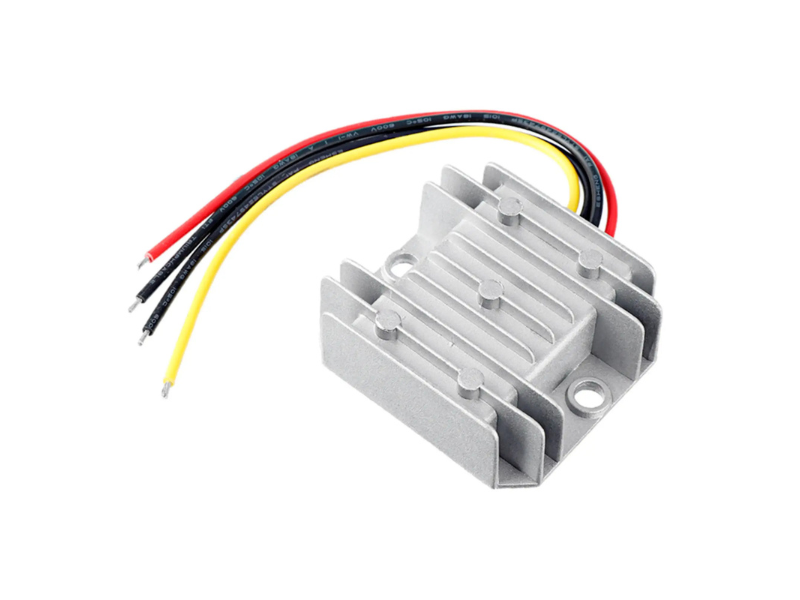
Az elkerülhetetlen kapcsolat a teljesítmény és a hő között
Ahhoz, hogy megértsük, miért kell elsődleges szempontnak tekinteni a hőkezelést, először azt kell vizsgálni, honnan származik a hő. Egyszerűen fogalmazva, egy DC-DC átalakító nem tökéletes eszköz. Üzem közben teljesítményveszteségek lépnek fel az alapvető alkatrészeiben: félvezetők, kapcsolóelemek, vezérlőkörök és mágneses komponensek (tekercsek és transzformátorok) révén. Ezek a veszteségek hőként jelentkeznek. Amikor egy átalakító hatásfoka 95%, ez azt jelenti, hogy a bemenő teljesítmény 95%-a hasznos kimenő teljesítménnyé alakul. A maradék 5% hulladékhőként disszipálódik. Bár az 5% jelentéktelennek tűnhet, olyan nagy teljesítményű rendszereknél, amelyek több száz wattal dolgoznak, ez jelentős hőenergiát jelent, amelyet feltétlenül kezelni kell. Ez a teljesítményelektronikai tervezés központi kihívása: a szükséges elektromos funkció elérése mellett az eredményként keletkező hőhatás hatékony kezelése.
A túlmelegedés magas ára
Mi történik, ha ezt a hőt nem kezelik megfelelően? A következmények teljesítménycsökkenéstől egészen teljes meghibásodásig terjedhetnek.
-
Katasztrofális visszaesés a megbízhatóságban és élettartamban: Az elektronikus alkatrészek, különösen az elektrolitkondenzátorok és a félvezetőátmenetek rendkívül érzékenyek a hőmérsékletre. Egy gyakori iparági irányelv, amelyet gyakran „10°C-szabálynak” neveznek, kimondja, hogy minden 10°C-os üzemi hőmérséklet-emelkedés esetén az alkatrész várható élettartama körülbelül megfeleződik. A rossz hőmérséklet-szabályozás nem csupán fokozatos meghibásodáshoz vezet; drámaian felgyorsítja az alkatrészek öregedését. Ez átalakíthat egy évtizedig tartóra tervezett terméket olyanná, amely már néhány év után meghibásodhat. Ezért fontos befektetni egy jól kialakított Dc/dc átalakító szuperiort hőtervezéssel rendelkező termékbe, mivel ez hosszú távú megbízhatóságba történő befektetés.
-
Kényszerített teljesítménycsökkentés (derating): Amikor egy átalakító belső hőmérséklete túl magasra emelkedik, védőáramköreinek csak egyetlen biztonságos lehetősége van: csökkenteni a kimeneti teljesítményt. Ezt hívják termikus teljesítménykorlátozásnak. Olyan alkalmazásoknál, mint egy robotkar vagy egy távközlési adóvevő, ez lassú működést vagy jelveszteséget eredményezhet éppen kritikus pillanatban. Az átalakító ugyanis alapvető funkcióját áldozza fel önmagának a megsemmisüléstől való védelmében, ami az általa táplált rendszer számára jelentős meghibásodást jelent.
-
Csökkentett teljesítménysűrűség és méret: A hő a miniaturizálás fő akadálya. Ha a hőt nem lehet hatékonyan elvezetni, a tervezőknek nagyobb alkatrészeket kell használniuk, tömör hűtőbordákat beépíteniük, és több helyet kell hagyniuk a levegő cirkulációjához. Ez közvetlenül ellentmond az ipar kisebb, de hatékonyabb eszközök iránti igényének. A hatékony hőkezelés az, amely lehetővé teszi a mérnökök számára, hogy több teljesítményt zsúfoljanak egy kompakt Dc/dc átalakító kivitelbe anélkül, hogy megbízhatóságot áldoznának fel vagy forró pontokat hoznának létre.
-
Közvetlen veszély a rendszerbiztonságra: Súlyos esetekben az ellenőrizetlen túlmelegedés komoly biztonsági kockázatot jelent. Ez vezethet alkatrészek hőfutásához, szigetelés olvadásához, vagy akár tűzveszélyhez érzékeny környezetekben. Ez elfogadhatatlan olyan kritikus területeken, mint a medikai diagnosztika vagy a közlekedés, ahol a meghibásodás súlyos következményekkel járhat.
Modern hőkezelés: többrétegű megközelítés
Hogyan oldják meg tehát a mérnökök a hőproblémát? A modern hőkezelés egy minőségi DC-DC átalakítóban egy összetett, többrétegű stratégia, amely az alkatrészszintű megoldásokkal kezdődik, és a rendszerintegrációig terjed ki.
-
Intelligens alkatrész-kiválasztás és nyomtatott áramkör (PCB) elrendezés: Ez a félvezető kapcsolók (például MOSFET-ek) kiválasztásával kezdődik, amelyek alacsony bekapcsolt állapotú ellenállással rendelkeznek, valamint olyan mágneses maganyagokkal, amelyek minimális veszteséget mutatnak a működési frekvencián. A nyomtatott áramkör (PCB) fizikai elrendezése ugyanilyen kritikus. A nagy hőt termelő alkatrészek stratégiai elhelyezése, valamint vastag réz síkok (termikus padok vagy "öntvények") használata segít a hő egyenletes eloszlásában az alaplapon, így megelőzve a káros helyi túlmelegedést.
-
Fejlett anyagok és csomagolás: A forró alkatrész és a hűtőbordája közötti felület kulcsfontosságú. A nagyteljesítményű konverterek Termikus Interfész Anyagokat (TIM), például hővezető réspárnákat vagy pasztákat használnak, hogy kitöltsék a mikroszkopikus légrészeket a félvezető tok és a hűtőborda között. Ez hatékony hőátvitelt biztosít. A konverter saját fémtokja, gyakran alumíniumból készül – kiváló hővezetőképessége miatt –, és elsődleges hőelosztóként működik.
-
Aktív és passzív hűtési stratégiák: A végső lépés a hő átvitele az átalakító házából a környezetbe. A passzív hűtés természetes konvekcióra és egy bordázott hűtőbordától történő hőkisugárzásra épül. Egyszerű és rendkívül megbízható megoldás, mozgó alkatrészek nélkül. Magasabb teljesítménysűrűség esetén aktív hűtést alkalmaznak, amely általában egy ventilátort használ a levegő kényszerített áramoltatására a hűtőtest felett, ezzel jelentősen növelve a hőelvezetést. A választás a teljesítményszinttől, a rendelkezésre álló helytől és a környezeti hőmérséklettől függ.
Termikus sikerért való együttműködés
E komplexitások ismeretében alapvető fontosságú, hogy olyan gyártótól szerezze be Dc/dc átalakító -t, amely mély alkalmazástechnikai tudással rendelkezik. Egy tapasztalt szállító nem csupán egy alkatrészt értékesít; ő egy validált termikus megoldást kínál.
Tudják, hogy egy sivatagi napelemes inverter átalakítója más hőmérsékleti kihívásokkal néz szembe, mint egy automatizált irányítású jármű (AGV) belsejében található, hideg raktárban működő egység. Tervezési folyamatuk kiterjedt hőmérsékleti szimulációkon és valós körülmények között végzett tesztelésen alapul környezeti kamrákban, így biztosítva a megbízható teljesítményt az előírt hőmérséklet-tartományon belül. Évek tapasztalatával és több száz modellből álló portfólióval rendelkező gyártó valószínűleg már megoldotta a hőmérsékleti kihívásokat távközlési, robotikai és orvosi berendezések alkalmazásainál. Ők biztosítják, hogy az Ön rendszerében az életfontosságú Dc/dc átalakító elektromosan megbízható és hosszú távon hőmérsékletileg ellenálló legyen.
Következtetés: A teljesítmény kulcseleme
Összefoglalva, a hőkezelés egy DC-DC átalakítóban sokkal több, mint egy technikai részlet; ez az alapköve, amely meghatározza a teljesítményt, megbízhatóságot, miniatürizálást és biztonságot. Olyan szakterület, amely elektronikus alkatrészek gyűjteményéből megbízható tápegységet formál. A hőtervezés elsődlegessé tételével a mérnökök biztosítják, hogy a technológiai fejlődést meghajtó átalakítók ne hibásodjanak meg saját hőjük hatására. Amikor tápegységet választ, nézzen túl a hitelesített elektromos adatokon. Érdeklődjön a hőtervezésről. Az egész rendszer élettartama és sikeressége valószínűleg ettől függ.
Ajánlott termékek
Friss hírek
-
A nem izolált BUCK konverterek alkalmazási előnyei az izolált léptető konverterekhez képest
2024-01-23
-
A DC-DC konverterek kiváló előnyökkel rendelkeznek a külső hálószabadságú alkalmazásokban
2024-01-23
-
DC to DC akkumulátor töltő – Széles bemeneti tartomány és zajellenálló képesség dual akkumulátorszisztémák alkalmazásához
2024-01-19