 EN
EN
 AR
AR
 BG
BG HR
HR
 CS
CS
 DA
DA
 NL
NL
 FI
FI FR
FR
 DE
DE EL
EL
 HI
HI
 IT
IT JA
JA
 KO
KO
 NO
NO PL
PL PT
PT RO
RO
 RU
RU
 ES
ES
 SV
SV
 CA
CA TL
TL
 IW
IW
 ID
ID
 SR
SR
 SK
SK
 UK
UK VI
VI
 HU
HU
 TH
TH
 TR
TR
 FA
FA
 AF
AF
 MS
MS
 GA
GA
 HY
HY
 BN
BN
 MN
MN
एक बैटरी चार्जर को वास्तव में वॉटरप्रूफ और टिकाऊ क्या बनाता है?
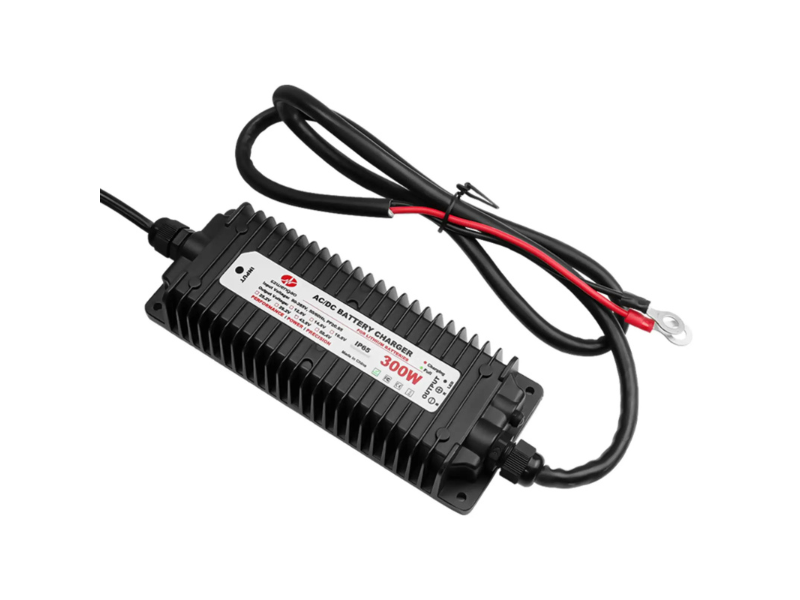
क्या आपने कभी बारिश में बाहर काम किया है और अपने बैटरी चार्जर को लेकर चिंता की है? या फिर शायद आप एक धूल भरी वर्कशॉप में रहे हैं जहां सब कुछ धूल से ढक जाता है? अगर आपने इन परिस्थितियों का अनुभव किया है, तो आप समझते होंगे कि कठोर परिस्थितियों को सहने वाले उपकरण होने का कितना महत्व है। यहीं पर एक विश्वसनीय वाटरप्रूफ बैटरी चार्जर आवश्यक हो जाता है। लेकिन ऐसे चार्जर्स को केवल घिसावट और टूट-फूट के प्रति प्रतिरोधी ही नहीं, बल्कि वास्तव में वाटरप्रूफ और सालों तक चलने लायक कैसे बनाया जाता है? आइए करीब से देखें और उन मुख्य विशेषताओं की जांच करें जो एक मजबूत वाटरप्रूफ बैटरी चार्जर बनाती हैं।
वास्तविक दुनिया की आवश्यकता को समझना
सबसे पहले, इसका महत्व क्यों है? चार्जर के सभी संभावित स्थानों पर विचार करें। यह एक गीले निर्माण स्थल पर हो सकता है, नाव पर आर्द्र समुद्री वातावरण में, एक कीचड़ वाले इलेक्ट्रिक वाहन पर लगा हो सकता है, या फिर एक खाद्य प्रसंस्करण संयंत्र में जहां बार-बार धुलाई की आवश्यकता होती है। ऐसे वातावरण में पानी, धूल, रसायनों और भौतिक प्रभाव के संपर्क में आना केवल एक संभावना नहीं है—यह तो निश्चित है। ऐसी परिस्थितियों में विफल होने वाला चार्जर केवल असुविधा पैदा नहीं करता; यह संचालन को रोक सकता है, सुरक्षा जोखिम पैदा कर सकता है और महंगे प्रतिस्थापन का कारण बन सकता है। इसीलिए एक मानक चार्जर से उन्नत होकर वास्तव में वाटरप्रूफ और मजबूत चार्जर की ओर जाना विश्वसनीयता और शांति की दृष्टि से एक महत्वपूर्ण लाभ है।
स्वर्ण मानक: आईपी रेटिंग की व्याख्या
किसी भी वाटरप्रूफ दावे का मूल आधार IP (इंग्रेस प्रोटेक्शन) रेटिंग है। आपने शायद IP65 या IP67 जैसे कोड देखे होंगे। ये केवल मार्केटिंग शब्द नहीं हैं; इन्हें एक अंतरराष्ट्रीय मानक (IEC 60529) द्वारा परिभाषित किया गया है जो सटीक रूप से निर्दिष्ट करता है कि उत्पाद किसका सामना कर सकता है।
-
पहला अंक (0-6) धूल जैसे ठोस कणों के खिलाफ सुरक्षा के स्तर को दर्शाता है।
-
दूसरा अंक (0-9K) तरल प्रवेश के खिलाफ सुरक्षा के स्तर को दर्शाता है।
बाहरी और कठोर पर्यावरण में उपयोग के लिए, गुणवत्तापूर्ण निर्माता IP65 जैसे व्यापक रूप से मान्यता प्राप्त और विश्वसनीय मानक को लक्षित करते हैं। यह रेटिंग धूल के प्रवेश (6) के खिलाफ पूर्ण सुरक्षा और किसी भी दिशा से कम दबाव वाले पानी की धारा का सामना करने की क्षमता (5) सुनिश्चित करती है, जो मांग वाले अनुप्रयोगों में टिकाऊपन के लिए एक सिद्ध उत्कृष्ट बिंदु बनाती है, बिना अत्यधिक डूबने के परिदृश्यों के लिए अनावश्यक लागत और जटिलता के।
केवल गैस्केट से अधिक: सील का इंजीनियरिंग
उच्च आईपी रेटिंग प्राप्त करना एक इंजीनियरिंग उपलब्धि है। यह एन्क्लोज़र डिज़ाइन के साथ शुरू होता है। वास्तव में टिकाऊ चार्जर में पॉलीकार्बोनेट मिश्रण या प्रबलित एल्यूमीनियम जैसी मजबूत सामग्री से बना आवास प्रयोग किया जाता है। ये सामग्री प्रभाव, पराबैंगनी विकिरण (जो पीलेपन और भंगुरता को रोकता है) और क्षरण का प्रतिरोध करती हैं।
हालाँकि, वास्तविक जादू सीलिंग रणनीति में निहित है—एक बहु-स्तरीय दृष्टिकोण:
-
प्रिसिजन-मोल्डेड हाउसिंग: खोल को स्वाभाविक अंतरालों को खत्म करने के लिए कसे हुए सहनीयता के साथ निर्मित किया जाना चाहिए।
-
उच्च-प्रदर्शन सील: सिलिकॉन या टीपीई गैस्केट का उपयोग हर जोड़ पर किया जाता है—जहाँ खोल के दो भाग मिलते हैं, केबल प्रवेश के आसपास, और कनेक्टर्स या डिस्प्ले के किसी भी इंटरफ़ेस पर। इन सील को तापमान की एक विस्तृत सीमा में अपनी लचीलापन और प्रभावशीलता बनाए रखनी चाहिए।
-
पॉटिंग या कॉन्फॉर्मल कोटिंग: अंतिम सुरक्षा के लिए यह एक महत्वपूर्ण, हालाँकि अक्सर अदृश्य, कदम है। आंतरिक प्रिंटेड सर्किट बोर्ड (PCB) अक्सर सुरक्षित रहता है। कॉन्फॉर्मल कोटिंग इलेक्ट्रॉनिक्स पर नमी और संघनन से बचाव के लिए एक पतली पॉलिमर परत लगाने की आवश्यकता होती है। कंपन के विरुद्ध उच्चतम स्तर की स्थायित्व के लिए, पॉटिंग का उपयोग किया जाता है। इस प्रक्रिया में पूरे आवरण को ठोस या जेल जैसे एपॉक्सी या सिलिकॉन यौगिक से भर दिया जाता है। इससे सभी आंतरिक घटक पूरी तरह से आवृत हो जाते हैं, जिससे वे पानी, धूल, कंपन और झटकों के प्रति पूर्णतः प्रतिरोधी हो जाते हैं। यह औद्योगिक-ग्रेड डिज़ाइन की एक मुख्य विशेषता है।
सहन करने के लिए निर्मित: घटक और डिज़ाइन दर्शन
यदि आंतरिक इलेक्ट्रॉनिक्स नाजुक हैं, तो जलरोधी आवरण व्यर्थ है। स्थायित्व अंदर से बाहर की ओर निर्मित होता है।
-
उच्च-गुणवत्ता घटक: व्यापक संचालन तापमान सीमा वाले औद्योगिक-ग्रेड संधारित्र, ट्रांजिस्टर और एकीकृत परिपथ (आईसी) (मजबूत इकाइयों के लिए आमतौर पर -40°C से +85°C तक) आवश्यक हैं। ये घटक तनाव के तहत अधिक स्थिर होते हैं और उनका आयुष्काल लंबा होता है।
-
बुद्धिमान थर्मल मैनेजमेंट: इलेक्ट्रॉनिक्स के लिए गर्मी दुश्मन है। एक अच्छी तरह से डिज़ाइन किया गया वाटरप्रूफ चार्जर रणनीतिक तौर पर गर्मी का प्रबंधन करता है। पॉटिंग यौगिक अक्सर ऊष्मा सिंक के रूप में कार्य करता है, जो आंतरिक घटकों से बाहरी धातु केसिंग तक ऊष्मा स्थानांतरित करता है जहाँ इसका विघटन होता है। कुछ डिज़ाइन इस उद्देश्य के लिए विशेष रूप से एल्युमीनियम हीट स्प्रेडर या थर्मल पैड को शामिल करते हैं।
-
व्यापक विद्युत सुरक्षा: स्थायित्व केवल भौतिक नहीं है। चार्जर में ओवर-वोल्टेज सुरक्षा (OVP), ओवर-करंट सुरक्षा (OCP), शॉर्ट-सर्किट सुरक्षा (SCP) और ओवर-टेम्परेचर सुरक्षा (OTP) जैसी अंतर्निहित सुरक्षा सुविधाएँ शामिल होनी चाहिए। ये सुविधाएँ सुनिश्चित करती हैं कि चार्जर कठोर परिस्थितियों में भी बचा रहे और साथ ही इससे जुड़ी मूल्यवान बैटरी की भी रक्षा करे।
-
मजबूत कनेक्टर: यदि चार्जर में बाह्य पोर्ट हैं, तो उनकी भी उतनी ही मजबूती होनी चाहिए। उद्योग-मानक वाटरप्रूफ कनेक्टर (जैसे M12 प्रकार) या ठीक से सील किए गए एविएशन प्लग का उपयोग विचारशील, मजबूत डिज़ाइन का संकेत है।
परीक्षण में ही सच्चाई है
एक प्रतिष्ठित निर्माता केवल दावों पर निर्भर नहीं करता। किसी भी चार्जर के कारखाने से बाहर जाने से पहले, उत्पादन बैचों के नमूनों को मूलभूत प्रमाणन से कहीं अधिक सख्त मान्यता प्रक्रिया से गुजरना होता है। इस परीक्षण में शामिल हो सकते हैं:
-
विस्तारित पर्यावरणीय तनाव परीक्षण: चार्जर को संचालन के दौरान अत्यधिक उच्च और निम्न तापमान के माध्यम से चक्रित करना।
-
कंपन और आघात परीक्षण: परिवहन के दौरान या वाहन में उपयोग के दौरान आने वाली धक्कों और हिलने-डुलने की स्थिति का अनुकरण करना।
-
नमक छिड़काव परीक्षण: समुद्री अनुप्रयोगों के लिए, क्षरणकारक नमकीन हवा के प्रति प्रतिरोध की पुष्टि करना।
-
दीर्घकालिक विश्वसनीयता परीक्षण: सुनिश्चित करने के लिए कि चार्जर समय से पहले विफल न हो, सैकड़ों या हजारों घंटों तक पूर्ण भार पर चार्जर चलाना।
व्यापक परीक्षण के प्रति यह प्रतिबद्धता ही एक वास्तविक टिकाऊ उत्पाद को केवल अच्छी तरह से विज्ञापित उत्पाद से अलग करती है।
अपनी बिजली की आवश्यकताओं के लिए सही साझेदार का चयन करना
एक महत्वपूर्ण घटक जैसे कि जलरोधक बैटरी चार्जर निर्माता की विशेषज्ञता सर्वोपरि है। चुनौतीपूर्ण वातावरणों में डिज़ाइन करने के लिए साबित रिकॉर्ड वाले साझेदार की तलाश करें। पावर सप्लाई उद्योग में लगभग एक दशक का अनुभव रखने वाली कंपनी पर विचार करें, जो 500 से अधिक मॉडल के पोर्टफोलियो की पेशकश करती है। ऐसी कंपनी ने संभवतः अनुप्रयोग संबंधी चुनौतियों की एक विस्तृत श्रृंखला का सामना किया होगा और उनका समाधान किया होगा। औद्योगिक स्वचालन, दूरसंचार और परिवहन जैसे क्षेत्रों में उनका गहन ज्ञान सीधे तौर पर अधिक विश्वसनीय और टिकाऊ उत्पाद डिज़ाइन में बदल जाता है। 130 से अधिक देशों में वैश्विक ग्राहकों की सेवा करना अक्सर इंगित करता है कि उनके उत्पाद विविध और कठोर अंतरराष्ट्रीय मानकों को पूरा करने के लिए बनाए गए हैं।
निष्कर्ष
तो, एक बैटरी चार्जर को वास्तव में वाटरप्रूफ और टिकाऊ क्या बनाता है? यह कोई एकल विशेषता नहीं, बल्कि मजबूत डिज़ाइन की एक समग्र दर्शन है। इसमें उचित IP रेटिंग, पोटिंग जैसी तकनीकों के उपयोग से ध्यानपूर्वक सील किया गया आवरण, औद्योगिक-ग्रेड आंतरिक घटकों का चयन, बुद्धिमान थर्मल और विद्युत सुरक्षा और—सबसे महत्वपूर्ण—कठोर परीक्षण के प्रति अटूट प्रतिबद्धता का समावेश होता है। इसका अर्थ है एक ऐसा उत्पाद बनाना जिसे आप स्थापित कर सकते हैं और हर स्थिति में दिन-प्रतिदिन भरोसा कर सकते हैं। ऐसे चार्जर में निवेश करना निर्बाध उत्पादकता और दीर्घकालिक संचालन सहनशक्ति में निवेश के समान है।