 EN
EN
 AR
AR
 BG
BG HR
HR
 CS
CS
 DA
DA
 NL
NL
 FI
FI FR
FR
 DE
DE EL
EL
 HI
HI
 IT
IT JA
JA
 KO
KO
 NO
NO PL
PL PT
PT RO
RO
 RU
RU
 ES
ES
 SV
SV
 CA
CA TL
TL
 IW
IW
 ID
ID
 SR
SR
 SK
SK
 UK
UK VI
VI
 HU
HU
 TH
TH
 TR
TR
 FA
FA
 AF
AF
 MS
MS
 GA
GA
 HY
HY
 BN
BN
 MN
MN

Proč potřebujete vysokou účinnost měniče pro průmyslovou automatizaci?
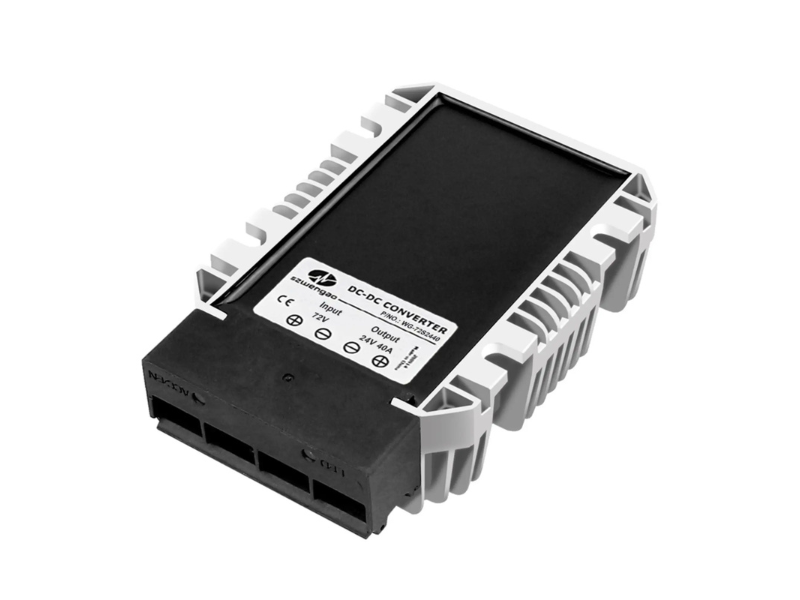
Představte si moderní montážní linku pro automobily. Robotické paže s naprosto synchronizovanou přesností svařují a montují díly, zatímco senzory a řídící systémy každou sekundu monitorují a zpracovávají tisíce datových bodů. Neviditelnou silou, která umožňuje tuto složitou, ale dokonale koordinovanou činnost, je čistý a spolehlivý elektrický proud. V srdci této sítě rozvodu elektrické energie se nachází klíčová součást: měnič napětí. Ve náročném prostředí průmyslové automatizace není vysoce kvalitní měnič jen důležitý – je nezbytný. Investice do vysokou účinnost dosahujícího měniče napětí je přímou investicí do produktivity, spolehlivosti a vaší ziskovosti.
Náročná realita průmyslové automatizace
Průmyslové prostředí představuje neustálé výzvy, které prověřují meze každého elektrického komponentu. Trvalé vibrace z strojů mohou uvolnit spoje a zatížit pájené spoje. Vzdušné kontaminanty, jako jsou prach, olejová mlha a kovové částice, ohrožují vystavenou elektroniku krátkým spojením. Výrazné kolísání teplot způsobuje roztažnost a smrštění materiálů, čímž vzniká další zátěž. Protože automatizované systémy často běží 24 hodin denně, jakékoli neplánované výpadky vedou k obrovským finančním ztrátám a logistickým potížím. V tomto nekompromisním prostředí musí být každé zařízení – zejména základní měnič napájení – navrženo tak, aby zaručovalo odolnost, přesnost a neochvějnou spolehlivost.
Z wattů na dolary: Přímý dopad na provozní náklady
Největším argumentem ve prospěch vysokou účinností napájecího měniče je jeho přímý ekonomický dopad. V rozsáhlé automatizační zařízení může stovky či dokonce tisíce těchto jednotek napájet motory, řídicí systémy, senzory a akční členy. Ačkoli rozdíl mezi účinností 90 % a 95 % uvedený v technické dokumentaci může působit nepatrně, jeho účinek je při škálování na celou provozní jednotku obrovský.
Uvažujme měnič zatížený výkonem 1000 W. Jednotka s účinností 90 % ztrácí jako teplo 100 W. Protějšek s účinností 95 % ztrácí pouze 50 W. Tato úspora 50 W na jednu jednotku, násobená počtem bezpočtu takových měničů a navíc se kumulující po letech nepřetržitého provozu, se promítá do významných úspor na účtech za elektřinu. Navíc snížený tepelný výkon snižuje tepelné zatížení chladicích systémů zařízení, čímž vznikají další energetické úspory. Vysokou účinností Výkonový měnič zajišťuje průběžný a rychlý návrat investice tím, že přímo výrazně snižuje jednu z největších provozních nákladových položek.
Multiplikátor spolehlivosti: stabilita v nepřátelském prostředí
Účinnost a spolehlivost jsou vzájemně propojené. Ztracená energie méně účinného měniče se uvolňuje ve formě tepla – hlavního nepřítele elektronických součástek. Nadměrné teplo způsobuje předčasné stárnutí kondenzátorů, snižuje výkon polovodičů a zvyšuje riziko katastrofálního tepelného nesrovnalosti.
Vysokou účinností charakterizovaný napájecí měnič generuje záměrně výrazně méně vnitřního tepla. Tento chladnější provoz má zásadní pozitivní důsledky. Životnost součástek je výrazně prodloužena, často podle průmyslového tzv. „pravidla 10 °C“, podle kterého snížení provozní teploty o 10 °C zdvojnásobí očekávanou životnost součástky. S nižším tepelným namáháním dochází v celém systému k mnohem menšímu počtu neočekávaných poruch. V automatizovaném procesu, kde jediný vadný senzor dokáže zastavit výrobu, je vnitřní stabilita poskytovaná vysoce kvalitním napájecím měničem neocenitelným aktivem pro maximalizaci dostupnosti systému.
Zajištění maximálního výkonu a přesnosti systému
Průmyslová automatizace závisí na opakovatelnosti a přesnosti. Robotic ký žebřík musí dosahovat přesně stejné polohy v každém cyklu; servopohon musí udržovat přesnou regulaci točivého momentu. Kvalita elektrické energie přímo ovlivňuje tento výkon.
Méně účinné měniče obvykle produkují šumivější výstupní výkon s vyšší elektrickou „vlnitostí“. Tento šum může rušit citlivé řídicí signály, způsobovat elektromagnetické rušení (EMI) a zavádět jekot (jitter) nebo nepřesnosti do systémů řízení pohybu. Návrhy vysokou účinností pracujících měničů napájení často využívají pokročilé topologie a lepší filtrace, aby poskytly čistější a stabilnější stejnosměrný výstup. Toto stabilní napájení zajistí, že programovatelné logické řídicí jednotky (PLC), systémy strojového vidění a servopohony obdrží dokonalé napětí, které potřebují k provozu s maximální přesností a rychlostí, čímž se minimalizují chyby a zvyšuje se kvalita konečného výrobku.
Usnadňuje kompaktní a škálovatelné návrhy systémů
Prostor na výrobní ploše je vzácný a místo pro řídicí panely je omezené. Nižší tepelný výkon vysokou účinností pracujícího měniče napájení umožňuje kompaktnější mechanické návrhy. Inženýři mohou specifikovat menší jednotky a snížit rozměry i náklady příslušných chladičů a chladicích ventilátorů. Tato úspora prostoru umožňuje hustější uspořádání řídicích panelů a podporuje modularnější a škálovatelnější architektury strojů.
Navíc se trend decentralizované automatizace – tedy montáž napájecí a řídicí elektroniky přímo na stroje místo umístění v dálkových rozvaděčích – vyžaduje odolné a účinné komponenty. Kompaktní, chladně běžící a vysokou účinností pracující měnič napájení je ideálně vhodný pro tento distribuovaný přístup, zjednodušuje zapojení, zlepšuje odezvu systému a snižuje náklady na instalaci.
Výběr správného partnera pro vaši infrastrukturu napájení
Výběr měniče napájení pro průmyslovou automatizaci vyžaduje více než pouhé porovnání technických specifikací; vyžaduje výběr správného výrobce jako partnera. Hledejte výrobce s ověřenou historií úspěšného nasazení v průmyslových aplikacích, jehož výrobky jsou od základu navrženy tak, aby odolávaly vibracím, splňovaly přísné průmyslové normy elektromagnetické kompatibility (EMI) a spolehlivě fungovaly v širokém rozsahu teplot.
Poskytovatel s rozmanitým portfoliem, které vyvinul během téměř deseti let řešení složitých úkolů pro mezinárodní klientelu, přináší nezbytné praktické know-how. Navrhuje své Výkonový měnič řešení nikoli pouze pro laboratorní podmínky, nýbrž pro prachové, vibrující a tepelně náročné prostředí, jaké se vyskytuje v automatizaci automobilového průmyslu, balení a manipulace s materiály. Tato zkušenost zajišťuje, že napájení ve středu vašeho systému je stejně inteligentní, robustní a účinné jako automatizované procesy, které umožňuje.
Závěr: Základ inteligentní automatizace
Závěrem není otázkou -li potřebujete výkonný měnič napájení, ale proč byste se vůbec kdy měli spokojit s nižší účinností? Ve světě průmyslové automatizace, kde jsou sázky vysoké, představuje tento prvek základní stavební kámen pro nákladovou efektivitu, spolehlivost systému, provozní přesnost a flexibilitu návrhu. Přeměňuje elektrickou energii z prostého komoditního zboží na strategický aktivum, které zvyšuje produktivitu a chrání ziskovost. Při návrhu nebo modernizaci vašich automatizačních systémů je specifikace výkonného měniče napájení rozhodujícím krokem směrem k vytvoření chytřejší, odolnější a konkurenceschopnější provozní jednotky.
Doporučené produkty
Nejnovější zprávy
-
Výhody aplikací neizolovaných konvertorů BUCK ve srovnání s izolovany konvertory s postupným snížením
2024-01-23
-
Konvertory střídavého proudu a proudu ukazují pozoruhodné výhody v aplikacích mimo síť
2024-01-23
-
DC-DC nabíječka baterií - široký vstup a rušnost pro použití v systému s dvěma bateriemi
2024-01-19