 EN
EN
 AR
AR
 BG
BG
 HR
HR
 CS
CS
 DA
DA
 NL
NL
 FI
FI
 FR
FR
 DE
DE
 EL
EL
 HI
HI
 IT
IT
 JA
JA
 KO
KO
 NO
NO
 PL
PL
 PT
PT
 RO
RO
 RU
RU
 ES
ES
 SV
SV
 CA
CA
 TL
TL
 IW
IW
 ID
ID
 SR
SR
 SK
SK
 UK
UK
 VI
VI
 HU
HU
 TH
TH
 TR
TR
 FA
FA
 AF
AF
 MS
MS
 GA
GA
 HY
HY
 BN
BN
 MN
MN

The importance of proper sizing for DC DC converters.
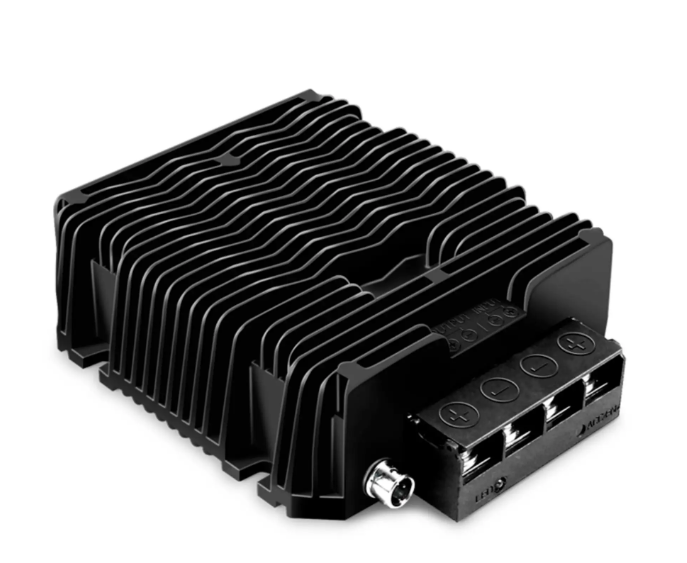
Think of a DC DC converter as the unsung hero in countless electronic setups. It is the piece of gear that takes power from one voltage and transforms it into exactly what your device needs to run properly. You will find them everywhere, from the telecommunications equipment that keeps us connected to the medical devices we rely on, and even in the latest robotics and vehicles. A company like szwengao, with years of experience crafting these power solutions, knows that while the technology inside is complex, one of the most common issues users face is surprisingly simple: picking the wrong size. Choosing the correct size for your DC DC converter isn't just a minor technical detail. It is a fundamental decision that affects everything from efficiency and reliability to your long term costs. Let's break down why this sizing thing is such a big deal.
When Your Converter is Too Small: A Recipe for Trouble
It might be tempting to go for a smaller, less expensive DC DC converter, especially if you think your power needs are modest. But this is often where problems start. Every electrical device has a power requirement, usually measured in watts. This isn't just a single number; there is often a continuous power draw and a higher surge, or peak, power needed for a split second when something starts up, like a motor or a pump.
If you choose a converter that is too small for the continuous load, you are asking it to work harder than it was designed to. It will run hot. Really hot. This excessive heat is a major enemy of electronics, leading to stressed components and a much shorter lifespan. The situation gets even worse during that startup surge. If your DC DC converter can't handle that brief spike in demand, the system can shut down, reset, or become unstable. That is not just annoying; in critical applications like medical or telecom gear, it can be a real problem. So, that initial saving from buying a smaller unit can quickly be wiped out by early failure and system downtime.
The Downsides of Going Too Big: Not Always Better
On the flip side, you might think that supersizing your DC DC converter is a safe bet. If some extra capacity is good, a lot more must be great, right? Not exactly. Going too big comes with its own set of headaches.
First, there is the issue of efficiency. Most converters are designed to run most efficiently at a certain load range, typically between 50% and 80% of their maximum rated power. If you are running a massively oversized DC DC converter at only 10% or 20% of its capacity, it can be surprisingly inefficient. It might waste more energy as heat for the small amount of power it is actually delivering. Plus, a physically larger unit takes up more precious space in your equipment enclosure, which can be a major constraint in modern, compact designs. And of course, the upfront cost is higher. You are paying for capability you simply do not need, which ties back to that cost effectiveness we mentioned.
How Correct Sizing Boosts Reliability and Saves Money
So, what happens when you hit that sweet spot of the right size? You get a system that just works better and lasts longer. A properly sized DC DC converter operates well within its limits. It runs cooler because it is not constantly straining to meet demand. And as we know, cooler operation equals happier, longer lived electronic components. This directly translates to better reliability for your overall project or product.
Think about the long term costs. A reliable converter means fewer unexpected failures, less downtime, and lower replacement costs. This makes the whole system more cost effective over its lifetime. A company like szwengao offers a wide range of models, over 390 at last count, precisely so you can find that perfect match for your application, whether it is for renewable energy systems or industrial automation. Getting the size right from the start is an investment in peace of mind.
Ensuring Stable Power for Your Whole System
The DC DC converter is often the heart of a power system, feeding all the critical components. If that heart is struggling because it is undersized, or loafing inefficiently because it is oversized, the rest of the system feels it. Other components might not get the clean, stable voltage they need to operate correctly. This can lead to erratic behavior, data errors in digital systems, or poor performance in analog circuits.
A correctly chosen DC DC converter ensures a stable, clean power supply under all expected conditions. It acts as a solid foundation, letting the rest of your equipment do its job without power related glitches. This is particularly crucial in fields like telecommunications and medical technology, where consistent, reliable operation is non negotiable.
Simple Steps to Get the Sizing Right
Getting the size right does not have to be a mystery. Start by figuring out the exact power needs of your system. Look at the voltage and current requirements of every device that will draw power from the converter. Add them up to find your total continuous power. Then, identify any devices with high startup currents and make sure to account for that peak power, even if it is just for a moment.
A good rule of thumb is to add a safety margin of around 20% to 30% to your calculated continuous power. This gives you some breathing room for unexpected loads or future expansion. And when you are looking at specifications, do not just look at the power rating. Pay attention to input voltage range, output voltage accuracy, and operating temperature range. All these specs matter for a successful match. Consulting with a knowledgeable manufacturer like szwengao, who has deep application know how, can also save you a lot of guesswork.
Choosing the correct size for your DC DC converter is one of the most important decisions you will make in your project. It is the difference between a system that is efficient, reliable, and built to last, and one that is prone to issues. By taking the time to understand your real power needs and selecting a converter that fits them perfectly, you are setting up your entire application for success. It is a simple step that pays off in performance and durability for years to come.
Recommended Products
Hot News
-
Application Advantages of Non-Isolated BUCK Converters Compared to Isolated Step-Down Converters
2024-01-23
-
DC-DC Converters Showcase Remarkable Advantages in Outdoor Off-Grid Applications
2024-01-23
-
DC to DC Battery Charger - Wide input and Noise immunity for dual battery system applications
2024-01-19