 EN
EN
 AR
AR
 BG
BG
 HR
HR
 CS
CS
 DA
DA
 NL
NL
 FI
FI
 FR
FR
 DE
DE
 EL
EL
 HI
HI
 IT
IT
 JA
JA
 KO
KO
 NO
NO
 PL
PL
 PT
PT
 RO
RO
 RU
RU
 ES
ES
 SV
SV
 CA
CA
 TL
TL
 IW
IW
 ID
ID
 SR
SR
 SK
SK
 UK
UK
 VI
VI
 HU
HU
 TH
TH
 TR
TR
 FA
FA
 AF
AF
 MS
MS
 GA
GA
 HY
HY
 BN
BN
 MN
MN

Exploring the Role of DC DC Converters in Renewable Energy Systems
Jul 14, 2025
Key Challenges in Renewable Energy Power Management
Renewable energy sources like solar and wind are clean, but their power output is far from stable. Sunlight intensity changes with the time of day and weather, and wind speed fluctuates constantly. This means the electricity generated is often unstable—voltages go up and down, which can damage equipment or make the power unusable directly. That’s where DC-DC converters come in. They act like a "stabilizer" to handle these fluctuations.
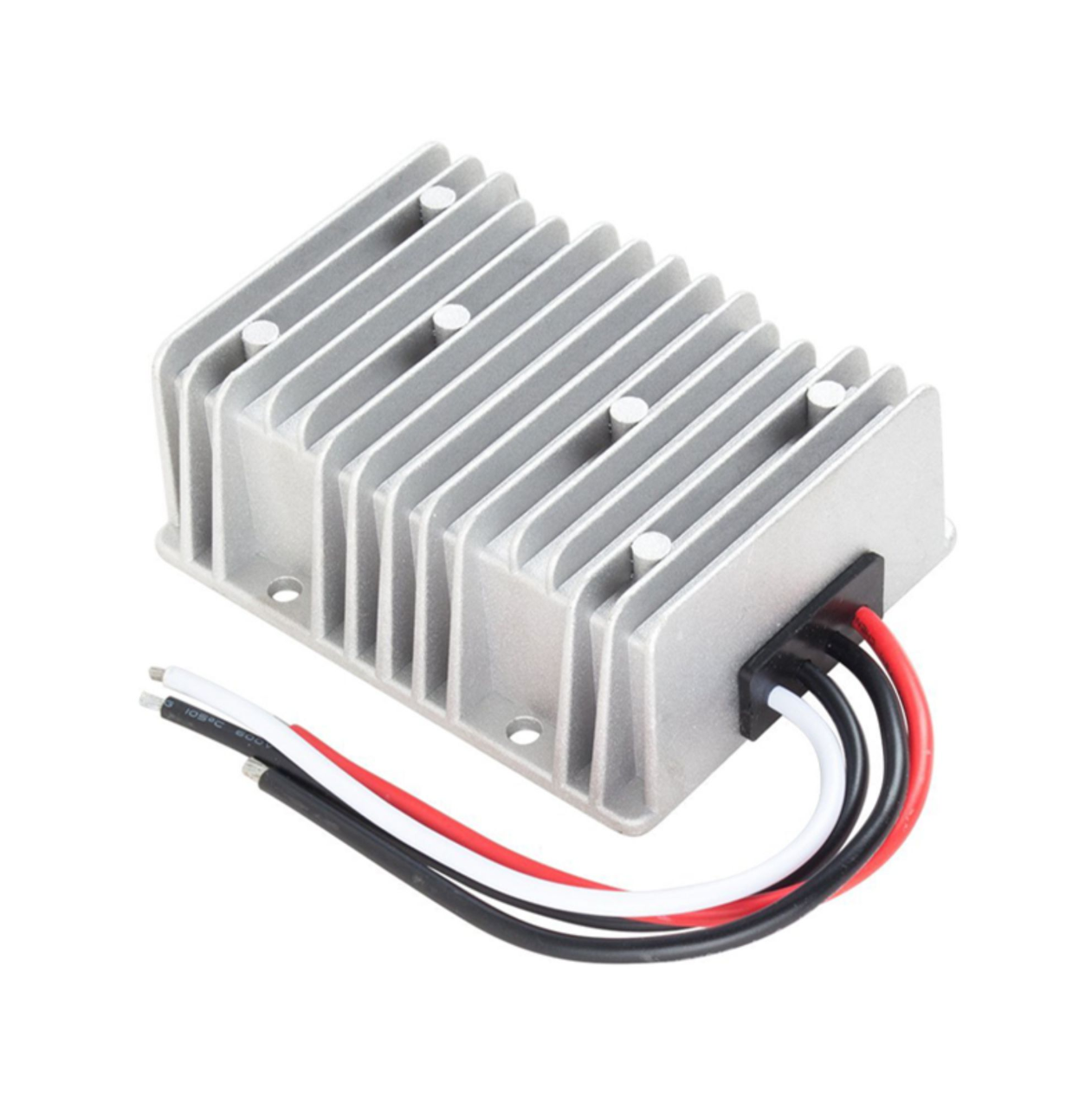
How DC-DC Converters Keep Power Steady
The core job of a DC-DC converter in renewable energy systems is to adjust voltage. For example, solar panels might produce 12V on a cloudy day but 24V when the sun is bright. A DC-DC converter can step that up to 48V if the battery storage needs it, or step it down to 12V for devices that require lower voltage. This ensures the power fed into batteries or grids is consistent. Good converters, like those from experienced manufacturers with over 10 years in the field, do this efficiently, wasting very little energy—something crucial for making the most of every bit of renewable power.
Different Types of DC-DC Converters for Different Needs
Not all renewable energy setups are the same, so there are different DC-DC converters for different jobs. Buck converters lower voltage, which is useful when solar panels produce more than batteries can handle. Boost converters raise voltage, great for wind turbines that might start with low output. Buck-boost converters? They do both, perfect for systems where voltage swings a lot. Many manufacturers, like those with over 500 product models, design these converters to fit various scenarios—from small home solar setups to large industrial wind farms.
Why Durability Matters in Renewable Energy Environments
Renewable energy systems are often outdoors—solar panels on rooftops, wind turbines in open fields. They face rain, dust, and extreme temperatures. So DC-DC converters here need to be tough. Waterproof designs and industrial-grade materials are a must. For example, some converters with IP65 ratings can handle rain and dirt, making them reliable even in harsh weather. This durability ensures the system keeps running without frequent repairs.
How DC-DC Converters Boost Renewable Energy Efficiency
Efficiency is key for renewable energy—wasting less power means getting more from the sun or wind. High-quality DC-DC converters have efficiency rates that stay high even when conditions change. This means more of the generated power gets stored in batteries or sent to the grid, instead of being lost as heat. Over time, this adds up, making the whole renewable energy system more cost-effective.
The Future: Smart Converters for Smarter Energy Use
As renewable energy grows, DC-DC converters are getting smarter. They’re starting to work with energy management systems, adjusting in real time based on how much power is needed. For example, if a home uses more electricity in the evening, the converter can send more stored power from batteries. Manufacturers with strong R&D experience are leading this trend, creating converters that integrate seamlessly with other system parts, making renewable energy setups easier to run and more reliable.
Recommended Products
Hot News
-
Application Advantages of Non-Isolated BUCK Converters Compared to Isolated Step-Down Converters
2024-01-23
-
DC-DC Converters Showcase Remarkable Advantages in Outdoor Off-Grid Applications
2024-01-23
-
DC to DC Battery Charger - Wide input and Noise immunity for dual battery system applications
2024-01-19