
 EN
EN
 AR
AR
 BG
BG
 HR
HR
 CS
CS
 DA
DA
 NL
NL
 FI
FI
 FR
FR
 DE
DE
 EL
EL
 HI
HI
 IT
IT
 JA
JA
 KO
KO
 NO
NO
 PL
PL
 PT
PT
 RO
RO
 RU
RU
 ES
ES
 SV
SV
 CA
CA
 TL
TL
 IW
IW
 ID
ID
 SR
SR
 SK
SK
 UK
UK
 VI
VI
 HU
HU
 TH
TH
 TR
TR
 FA
FA
 AF
AF
 MS
MS
 GA
GA
 HY
HY
 BN
BN
 MN
MN

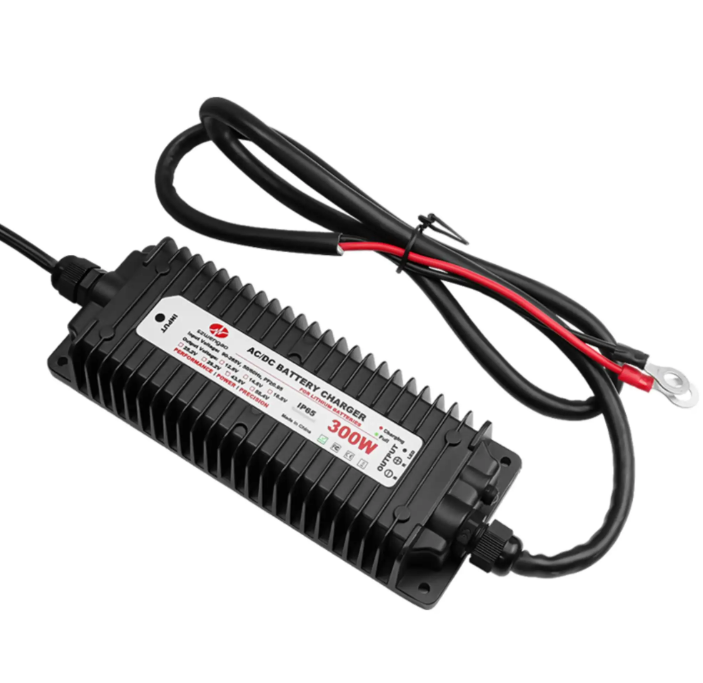
Durability Redefined: The Waterproof Battery Charger
When you think about charging a battery, you probably picture a dry garage or a clean workbench. But real life is not always that neat. Sometimes you are out on a boat with salt spray flying everywhere. Sometimes you are working on a dusty job site in the middle of a downpour. Or maybe you are camping far from any shelter when the weather suddenly turns. In all these situations, a regular charger just will not cut it. What you really need is a waterproof battery charger.
A waterproof battery charger is built to handle the things that would destroy a normal charger. Water, dust, vibration, extreme temperatures, you name it. This type of gear is not just a nice bonus. For many people, it is an absolute necessity. So let me walk you through what makes a waterproof battery charger so special and why you might want one for your own setup.
What Waterproof Actually Means
A lot of people throw around the word waterproof, but not everyone understands what it really means. There is a big difference between something that can handle a few splashes and something that can survive being dropped in a puddle. The best way to tell the difference is to look at the IP rating. You have probably seen numbers like IP67 or IP68 on electronic gear before.
The first number in an IP rating tells you how well the device keeps out dust and other solid stuff. A rating of 6 means it is completely dust tight. Nothing gets in. The second number tells you how well it keeps out water. For an IP67 rating, the device can be temporarily submerged in up to one meter of water for about half an hour without any damage. For an IP68 rating, it can handle even deeper or longer submersion.
So when you see a waterproof battery charger with a high IP rating, you know it has been tested and certified to survive real world conditions. It is not just marketing talk. It is a standard you can trust. For anyone who spends time around water or in dusty environments, that kind of protection is worth its weight in gold.
Real World Use Cases for a Waterproof Charger
You might be wondering who actually needs a waterproof battery charger. The answer is more people than you think. Let me give you some examples.
First up is marine use. If you own a boat, you already know that everything on board gets wet eventually. Rain, waves, humidity, it is all part of the deal. And saltwater is even worse. It corrodes metal and destroys electronics faster than almost anything else. A regular battery charger might work for a few weeks on a boat, but sooner or later moisture will find its way inside and that will be the end of it. A waterproof battery charger is built to resist both water and corrosion, so it keeps working season after season.
Then there are off road vehicles. Think about Jeeps, ATVs, and side by sides. These machines live in the dirt and mud. They get splashed, shaken, and covered in dust. A charger that is not properly sealed would fail in no time. But a waterproof battery charger with a rugged design can take all that abuse and keep on going.
Another big one is solar power systems. Solar panels are often installed in remote locations where there is no building to protect the equipment. The charger has to sit outside, exposed to rain, snow, and scorching sun. A waterproof battery charger is perfect for this job because it is sealed against the elements.
I could go on and on. Electric scooters, golf carts, lawn mowers, construction equipment, the list just keeps growing. Anywhere you have a battery that needs charging in an outdoor or harsh environment, a waterproof battery charger is the right tool for the job.
Smart Charging That Protects Your Batteries
Being waterproof is great, but that is not the only thing that matters. A good waterproof battery charger also needs to be smart. Batteries are expensive, and using the wrong charger can damage them or shorten their lifespan significantly.
Smart charging technology is what sets modern chargers apart from the old school ones. A smart charger does not just push power into a battery blindly. It monitors the battery's condition and adjusts its output accordingly. It might start with a high power bulk charge to bring the battery level up quickly. Then it switches to a lower power absorption stage to top it off carefully. Finally, it goes into a float mode that keeps the battery at full charge without overcharging it.
This kind of intelligent charging is essential for battery health. It prevents overcharging, which is a common cause of battery failure. It also ensures that your batteries are always ready to go when you need them. Some advanced chargers can even detect what type of battery you have connected, whether it is lead acid, AGM, gel, or lithium, and automatically switch to the correct charging profile.
So when you are shopping for a waterproof battery charger, do not just look at the IP rating. Look for smart features too. The combination of waterproof protection and smart charging gives you the best of both worlds.
Durability That Goes Beyond Water
A waterproof battery charger has to be tough in more ways than one. Water resistance is a big part of the story, but it is not the whole story. Think about where these chargers actually get used. On a boat, they face constant vibrations from the engine and the motion of the waves. On a construction site, they might get knocked around or even dropped. In a vehicle, they have to deal with heat, cold, and constant shaking.
A truly durable waterproof battery charger needs a rugged exterior. Look for cases made from heavy duty plastic or anodized aluminum. These materials can take a hit without cracking or denting. They also resist corrosion, which is a huge plus in marine or coastal environments.
The connections need to be just as sturdy. Marine grade terminals are best because they do not rust or corrode. The cables should be thick and double insulated. When you pick up a good quality waterproof battery charger, you can feel the difference. It feels solid and well built, not cheap and flimsy. A charger made this way will stand the test of time, even in the most extreme conditions.
Getting the Right Power for Your Needs
One more thing you need to think about is power output. A waterproof battery charger is available in many different sizes and power levels. If you choose one that is too small, it will take forever to charge your batteries. It might also struggle to keep up if you have a lot of electrical devices running at the same time. On the other hand, if you choose one that is too large, it could be overkill and might not be as efficient.
So how do you get it right? Start by checking your battery's specifications. Look at the voltage and the capacity, which is usually measured in amp hours. Then find a charger that matches those numbers. A good rule of thumb is to look for a charger that can deliver about 10 to 20 percent of your battery's capacity in amps. For example, if you have a 100 amp hour battery, a 10 to 20 amp charger would be a solid choice.
Efficiency is another factor to consider. No charger is 100 percent efficient. Some power is always lost as heat. But better chargers have higher efficiency ratings, which means less wasted power and less heat buildup. A cooler running charger is a more reliable one, and it saves you money on your electric bill over time.
Final Thoughts
A waterproof battery charger is not just a fancy gadget. It is a practical tool for anyone who needs to keep batteries charged in less than perfect conditions. Whether you are a boater, an off road enthusiast, a solar power user, or just someone who wants gear that can handle anything, a waterproof battery charger gives you peace of mind.
The key is to look for the right features. A high IP rating ensures real water and dust protection. Smart charging technology protects your batteries and extends their life. Rugged construction means the charger can take a beating and keep working. And the right power output makes sure your batteries charge efficiently.
Do not settle for a regular charger that might let you down when you need it most. Get a waterproof battery charger and you will never have to worry about rain, splashes, or dust again. It is durability redefined, plain and simple.
Recommended Products
Hot News
-
Application Advantages of Non-Isolated BUCK Converters Compared to Isolated Step-Down Converters
2024-01-23
-
DC-DC Converters Showcase Remarkable Advantages in Outdoor Off-Grid Applications
2024-01-23
-
DC to DC Battery Charger - Wide input and Noise immunity for dual battery system applications
2024-01-19